Global Carriers Unite in Fund to Expand Sustainable Jet Fuel Supply

Highlights
- $150 million oneworld BEV Fund managed by Bill Gates-backed Breakthrough Energy Ventures to catalyse sustainable aviation fuel.
- Alaska Airlines, American Airlines, IAG, Cathay Pacific, Japan Airlines, and Singapore Airlines among the top investors.
- Focus on next-generation fuels such as engineered algae and hydrogen–CO₂ fuels to meet net-zero emission targets.
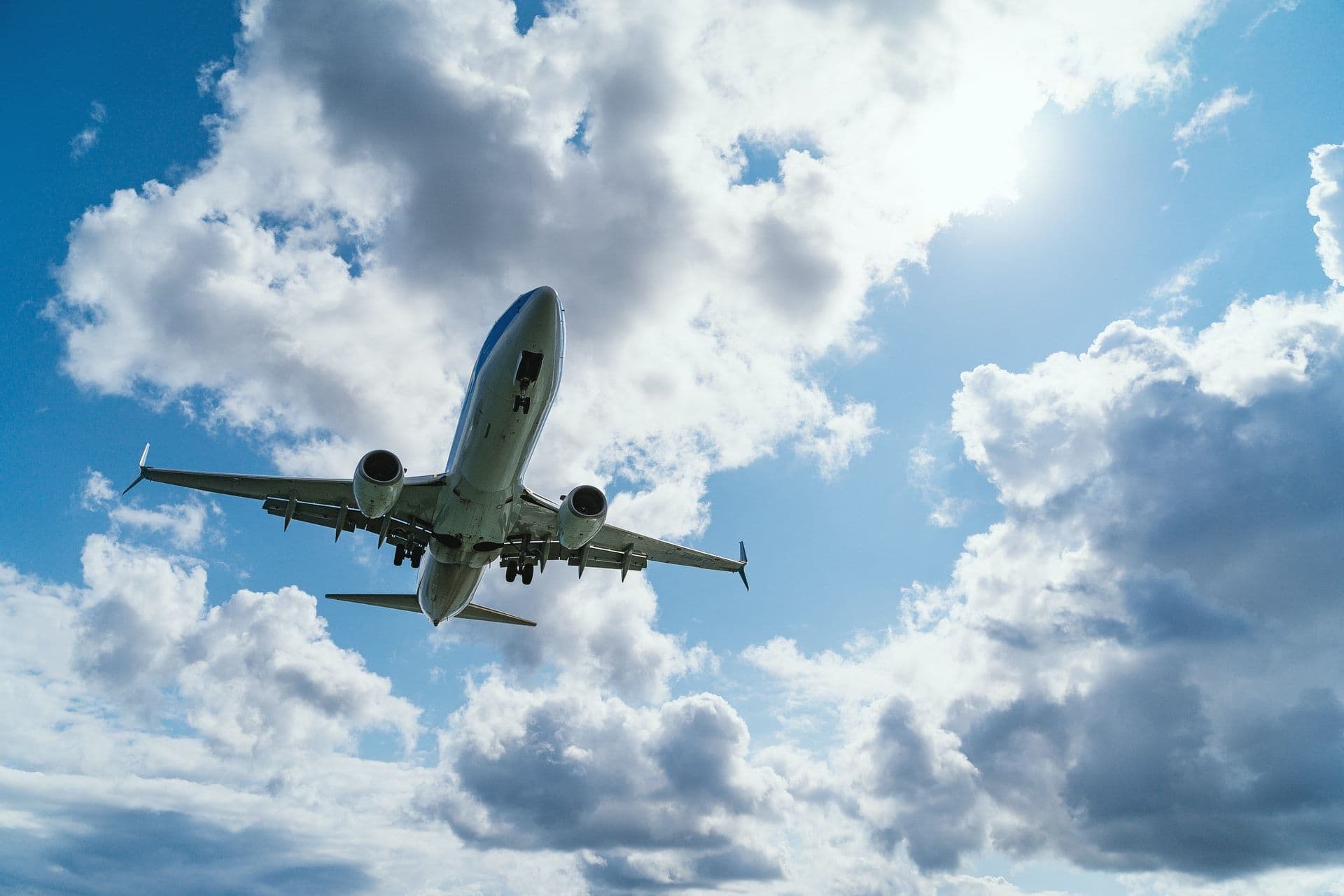
A group of major airlines has announced a joint plan to create a new $150 million oneworld BEV Fund.
The fund will be managed by Breakthrough Energy Ventures, a climate-focused investment company founded with backing from Bill Gates. Its goal is to bring next-generation sustainable aviation fuel (SAF) technologies to market so that commercial flying can cut carbon pollution.
Read More: IATA Says EU's SAF Mandate Is Costly, Increases Emissions
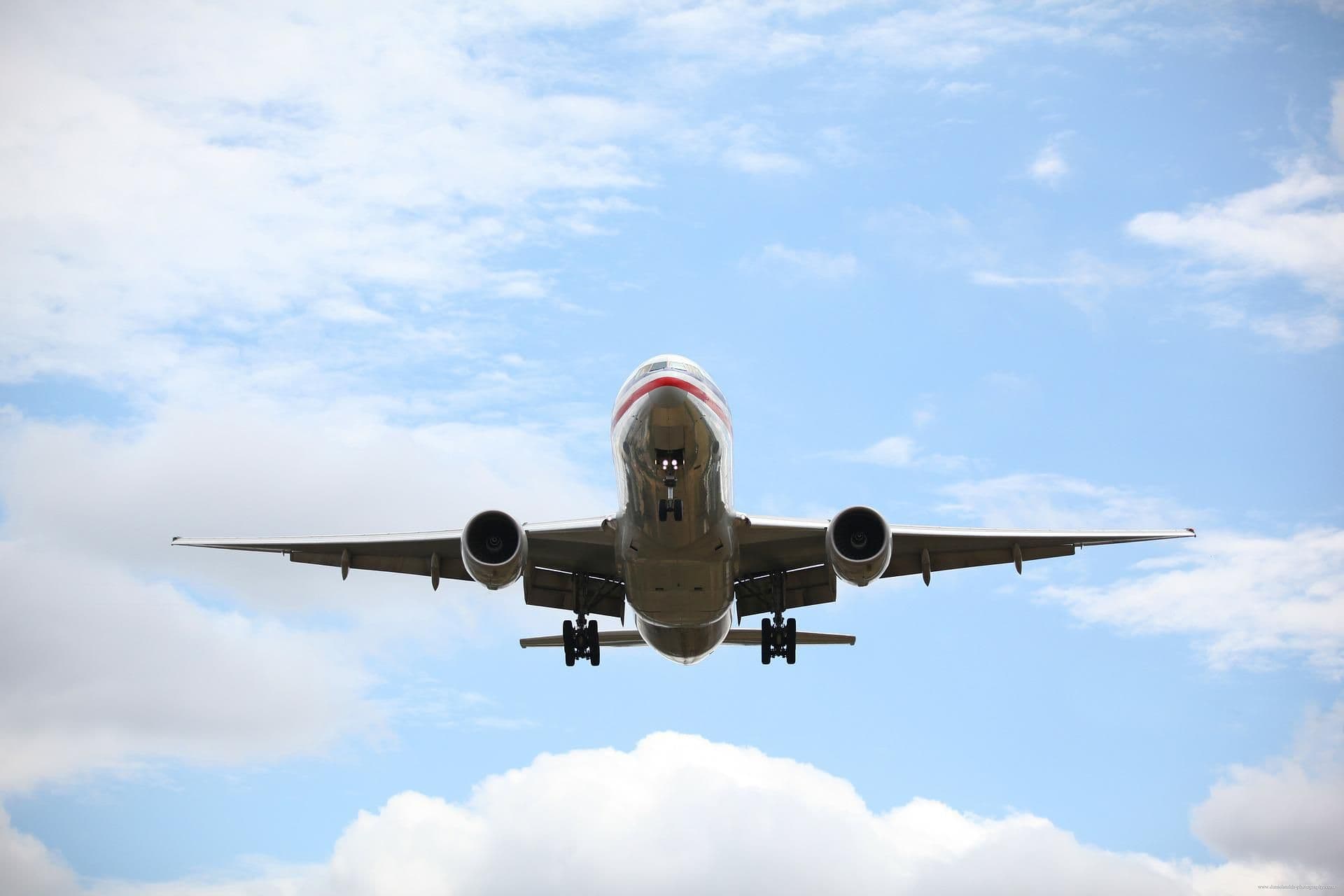
The plan features Alaska Airlines and American Airlines as lead investors. Other airlines involved include IAG, owner of British Airways, along with Cathay Pacific, Japan Airlines, and Singapore Airlines.
By pooling resources, the companies intend to speed the development of cleaner fuels that can be used in existing aircraft without costly modifications.
The aviation sector produces about 2–3 percent of global greenhouse gas emissions. Current low-carbon options are limited, and present-day SAF comes mainly from used cooking oil or crops such as soy and sugar cane.
Supply remains scarce: the International Air Transport Association (IATA) reported only one million metric tonnes of SAF in 2024, equal to just 0.3 percent of global jet-fuel output. Production is expected to reach 2.1 million tonnes in 2025, still far below what airlines require.
Breakthrough Energy Ventures plans to invest in technologies that can cut emissions while keeping costs near those of regular jet fuel. Its research focus includes engineered salt-water algae and fuels produced from hydrogen and carbon dioxide.
The company is largely avoiding current biofuel methods, since those fuels remain expensive and cannot be scaled up to the volumes needed for worldwide aviation.
Also Read: JetBlue Starts Using SAF for Commercial Air Travel
Airlines face climate commitments that depend on larger SAF availability. Alaska Airlines has set a 2040 net-zero target, while American Airlines aims for 2050. Some carriers have already signed long-term purchase contracts, such as American’s $75 million investment in Texas-based Infinium.
Executives say these individual agreements are costly, which makes a collective fund a more practical way to encourage large-scale production of affordable, cleaner fuels.
Ends/
Want to up sustainability across your business operations? Discover our ESG Marketplace, home to over 800 providers delivering a range of ESG and sustainability services.
Stay informed with the latest insights by following KnowESG’s Sustainable Finance News.
Explore our recent ESG Event updates.
Source: WSJ