JUPITER Supercomputer: Europe’s First Exascale System Goes Live with 24,000 NVIDIA Chips

Takeaways
- Europe’s first exascale supercomputer, JUPITER, has gone live in Germany with 24,000 NVIDIA chips.
- The $587 million machine will drive breakthroughs in AI, climate science, neuroscience, and renewable energy.
- Ranked fourth in the world, JUPITER is also the most energy-efficient among the top five fastest systems.
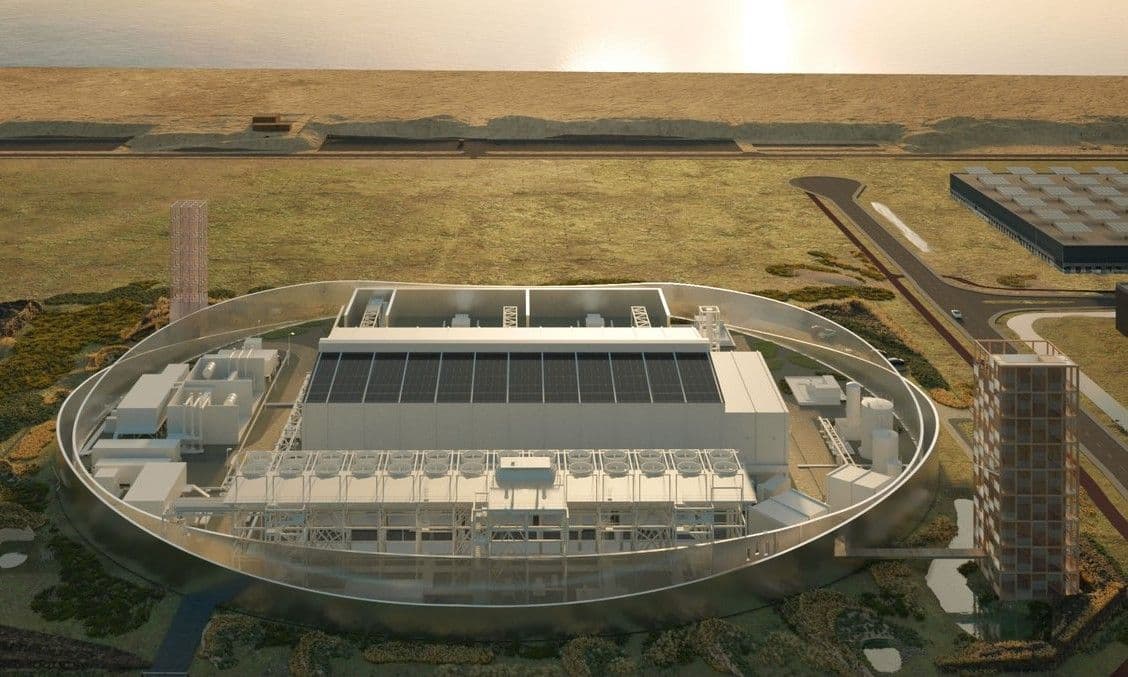
Europe has officially joined the global exascale supercomputing race with the launch of JUPITER, its first exascale-class system. Installed at the Jülich Supercomputing Centre in Germany, the $587 million (€500 million) project is a joint investment by the European Union and the German government, marking a major leap in the continent’s technological ambitions.
Exascale computing refers to machines capable of carrying out at least one quintillion (10¹⁸) calculations per second. To illustrate the power of JUPITER, if every human on Earth performed one calculation every second, it would take more than four years to match what the supercomputer accomplishes in just a single second.
Read More: Accelerated Innovations for Sustainable, Open HPC
JUPITER now stands as Europe’s most powerful supercomputer and the fourth-fastest in the world, narrowing the technology gap with the United States and China. Its applications will stretch across critical fields, including artificial intelligence, climate modeling, neuroscience, and renewable energy research.
One of its most important roles will be in climate science. With its immense processing power, JUPITER can run high-resolution climate and weather models that forecast extreme weather events like floods, heatwaves, and storms with unprecedented accuracy. Researchers also expect the system to play an instrumental role in medical research, simulating complex human brain processes to better understand conditions such as Alzheimer’s. In the energy sector, it can optimize wind turbine and hydrogen system designs, aiding Europe’s clean energy transition.
JUPITER has also been designed to serve as an AI Gigafactory. It will support startups, universities, and research institutes across Europe in training and deploying Large Language Models (LLMs) and Generative AI applications, providing the infrastructure needed to remain competitive in the global AI race.
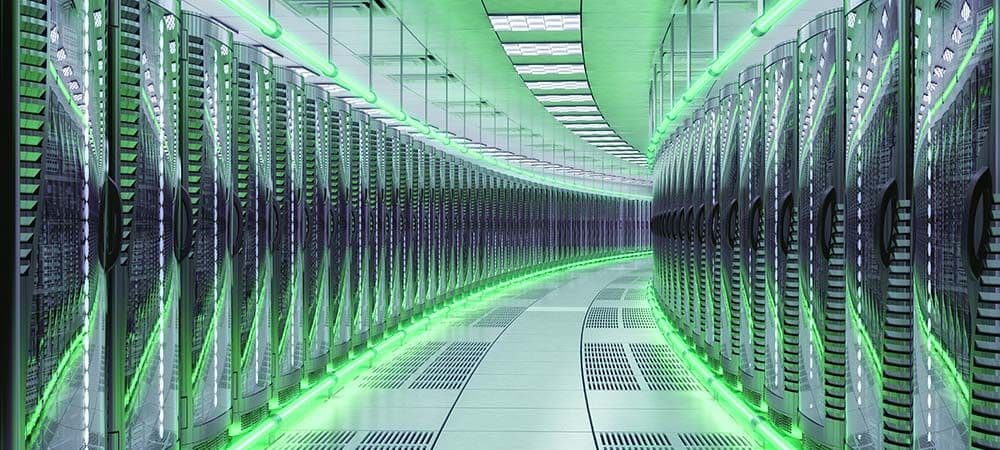
At the heart of JUPITER is its Booster module, powered by about 24,000 NVIDIA GH200 Grace Hopper Superchips. These chips are engineered for highly parallel workloads, delivering performance rated at over one exaFLOP/s in double precision for scientific applications and more than 40 exaFLOP/s for AI workloads.
Also Read: How AI Could Be The Key To ESG Working
Despite its immense computing capacity, JUPITER is also one of the most environmentally conscious supercomputers. With a power draw of around 11 megawatts, the equivalent of a small factory, it employs advanced water cooling systems. The waste heat generated is reused to warm buildings on the Jülich campus, earning JUPITER recognition as the most energy-efficient system among the world’s top five fastest supercomputers, according to the Green500 list.
With its launch, Europe has firmly placed itself in the top tier of global computing power, equipping its researchers and innovators with the tools to address some of the most pressing challenges of our time.
Follow more news and views via our ESG Tech and Featured Articles sections, and stay updated on the top ESG events to attend in 2025 for industry insights and networking.
Source: HOTHARDWARE