Holcim Ltd Scales Low-Carbon Cement Into a Climate Tech Platform

Takeaways
- Holcim Ltd is repositioning itself as a climate tech platform built on low-carbon cement, ECOPact, and ECOPlanet.
- The company is combining circular construction, carbon capture, and digital tools to cut CO2 emissions at scale.
- Its strategy is reshaping how investors view Holcim Aktie in a carbon-constrained world.
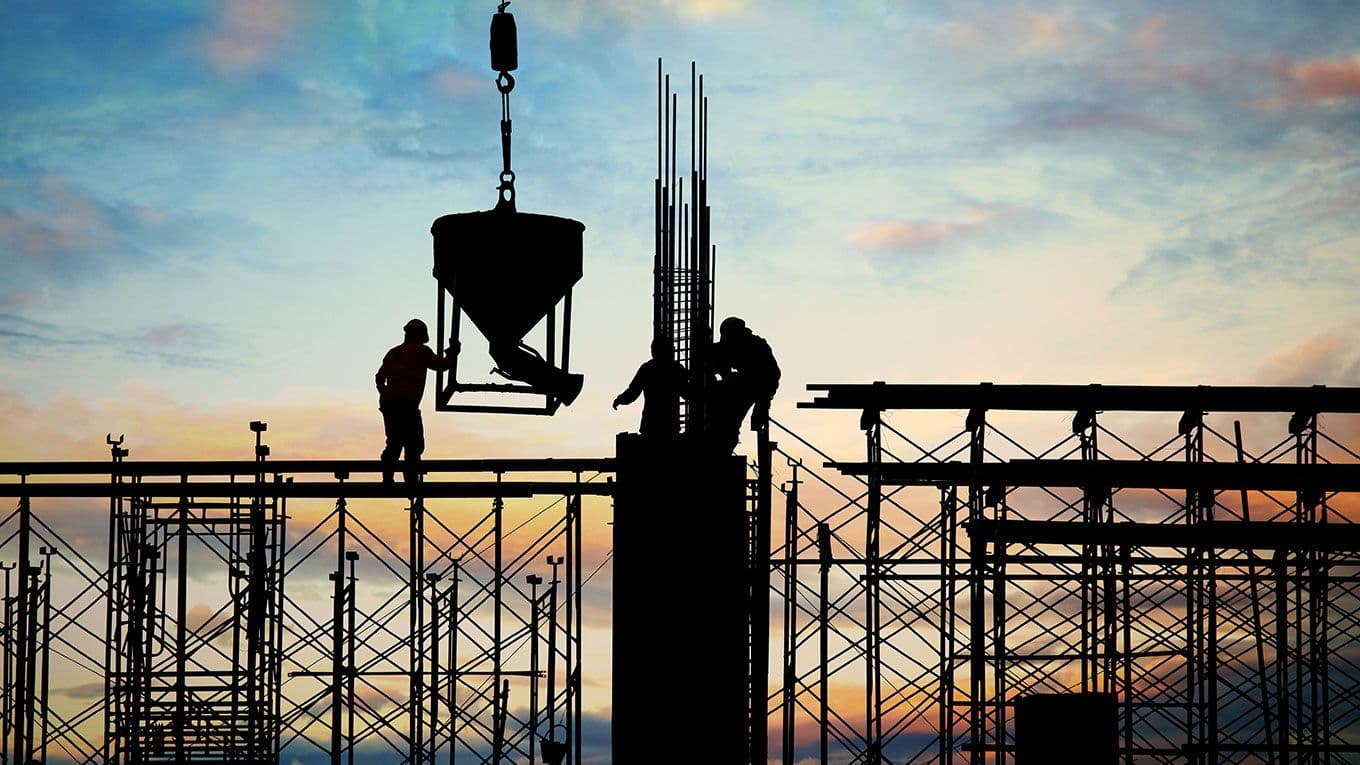
Concrete is the most widely used man-made material on Earth, and one of the most carbon-intensive. Cement production alone accounts for roughly 7–8% of global CO2 emissions. As urbanization accelerates and infrastructure spending grows, demand for concrete is not disappearing. The challenge is cutting emissions without halting construction.
That is where Holcim Ltd sees opportunity.
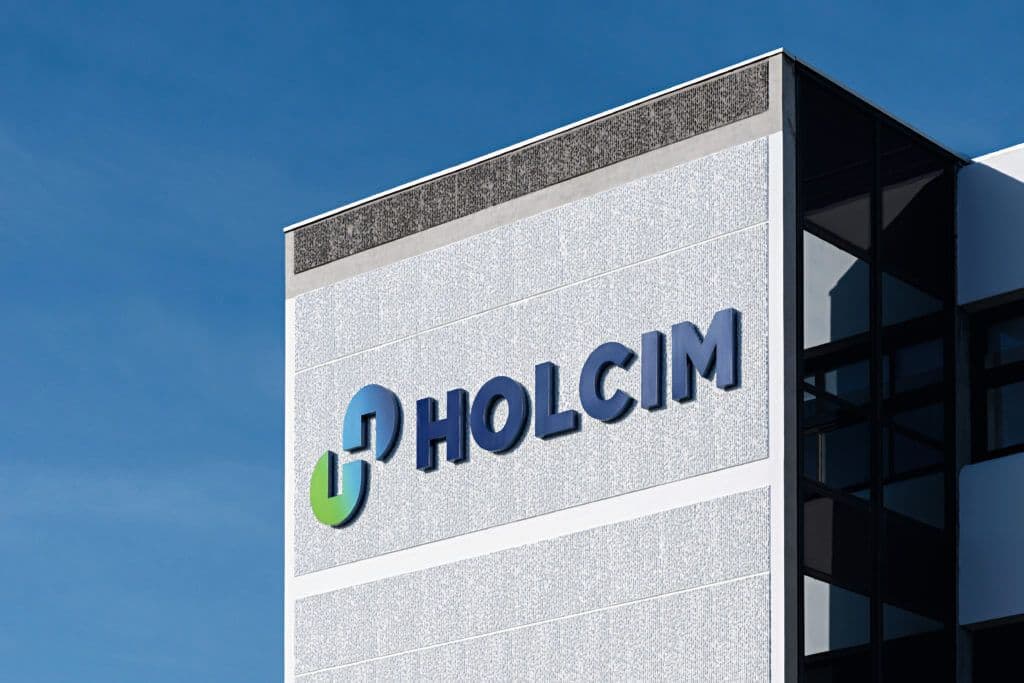
Headquartered in Switzerland and listed on the SIX Swiss Exchange, Holcim has long been viewed as a traditional cement giant. Today, however, it is repositioning itself as a scalable climate tech platform built around low-carbon cement, decarbonized concrete, and circular construction.
ECOPact: Low-Carbon Concrete at Scale
At the center of this shift is ECOPact, Holcim’s flagship low-carbon concrete range. Marketed as delivering 30–90% lower CO2 emissions compared with standard concrete, ECOPact turns complex engineering into a tiered product family.
Rather than forcing developers to rethink materials science, Holcim offers graded carbon reduction options. Behind the scenes, the company uses clinker substitution, recycled aggregates, optimized mix designs, and alternative binders to reduce embodied carbon.
The goal is simple: Make low-carbon concrete a mainstream choice, not a niche premium.
Read More: Fortera Introduces its CO2-Based Green Cement Technology in Asia
ECOPlanet: Decarbonizing Cement
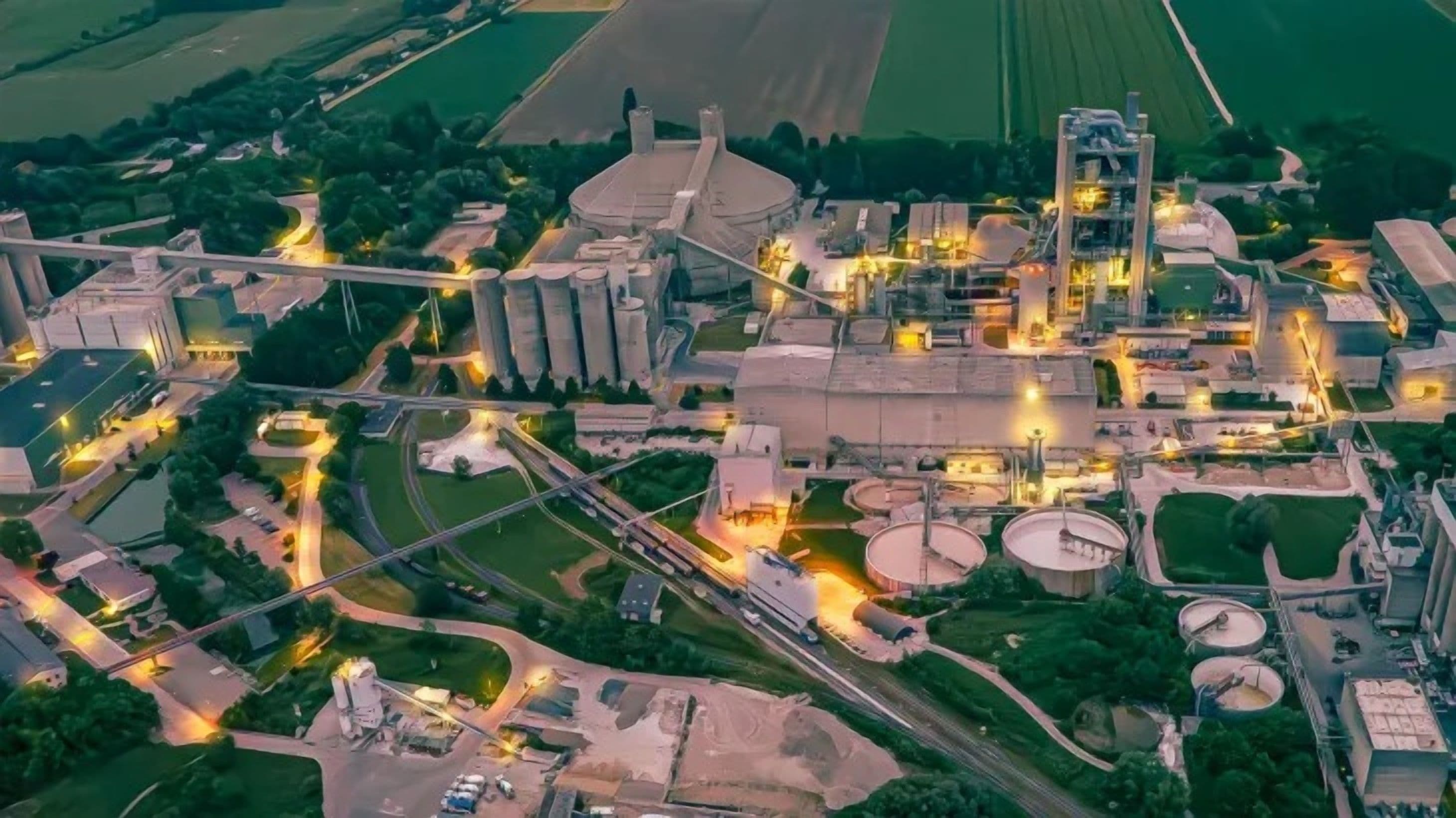
While ECOPact targets concrete, ECOPlanet focuses on low-carbon cement. Cement production is the most emissions-intensive step in the value chain, largely due to clinker production and calcination.
ECOPlanet reduces the clinker factor and incorporates alternative raw materials and fuels. By addressing emissions at the source, Holcim strengthens its position as carbon pricing, emissions trading schemes, and climate disclosure rules tighten globally.
Circular Construction as Strategy
Holcim’s climate strategy extends beyond materials. Under its circular construction push, the company is investing in construction and demolition waste recycling hubs. These facilities turn old buildings into recycled aggregates that can be used in new projects.
This approach reduces landfill use, limits virgin material extraction, and improves resource security. In regions with strict environmental rules, circular construction is not just sustainable; it is strategic.
Carbon Capture and Digital Tools
Holcim is also betting on carbon capture, utilization, and storage (CCUS). Across Europe and North America, pilot projects aim to capture process emissions from cement kilns, the hardest emissions to eliminate.
At the same time, digital design tools allow architects and engineers to model CO2 emissions within building information modeling workflows. By making carbon a design variable, Holcim moves upstream in the construction value chain.
Competition Heats Up
Holcim is not alone. Rivals including Heidelberg Materials, CRH, and CEMEX are also rolling out low-carbon cement and concrete lines.
However, Holcim’s advantage lies in its global brand structure. ECOPact and ECOPlanet are unified product families available across multiple markets, giving multinational developers consistent carbon reduction benchmarks.
What It Means for Investors
Holcim Aktie is increasingly viewed not just as a cyclical construction stock, but as a proxy for the decarbonization of the built environment. Its low-carbon cement portfolio provides growth optionality, reduces regulatory risk tied to CO2 emissions, and aligns with sustainable finance frameworks.
If carbon prices rise and green building standards tighten, Holcim’s early investment in circular construction and carbon capture could provide a durable competitive edge.
Also Read: Report: Cement and Power Account for 90% of Scope 1 and 2
The Bottom Line
Holcim Ltd is attempting something rare in heavy industry: Transforming a carbon-heavy commodity business into a branded climate tech platform. By scaling low-carbon cement, embedding circular construction, and investing in carbon capture, the company is positioning itself at the center of the global push to cut CO2 emissions from the built environment.
Follow more news and views via our Sustainable Finance & Technology and Featured Articles sections, and stay updated on the top ESG events to attend in 2026 for industry insights and networking.
If you're looking for suitable ESG and Sustainability providers to share customized solutions specific to your business needs, you can check out KnowESG's Solutions page.
If you are an ESG provider looking to get your organization listed on our portal, visit this page.
Source: AD HOC NEWS