Hapag-Lloyd and SGL Boost Ocean Freight Decarbonization Efforts

Takeaways
- Hapag-Lloyd and Scan Global Logistics have expanded their partnership to help businesses reduce ocean freight emissions through the Ship Green solution.
- The collaboration uses a Book-and-Claim model that allows customers to claim verified emissions reductions without changing existing shipping routes.
- Growing pressure from regulators, investors, and customers is pushing companies to focus more on Scope 3 emissions linked to logistics and supply chains.
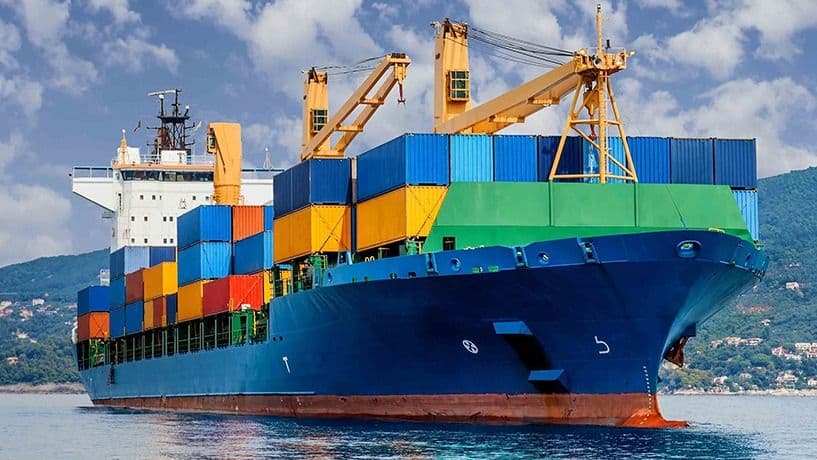
Hapag-Lloyd and Scan Global Logistics have expanded their partnership to help companies lower emissions linked to ocean freight as demand for cleaner supply chains continues to rise worldwide.
Under the strengthened collaboration, Scan Global Logistics (SGL) will add Hapag-Lloyd’s Ship Green offering to its portfolio of sustainable freight services. The move is aimed at helping customers reduce transport-related emissions without making major changes to their existing logistics operations.
The partnership comes at a time when businesses are facing increasing pressure to address Scope 3 emissions, which include indirect emissions generated across supply chains. For many companies, ocean shipping remains one of the most difficult areas to decarbonize due to the shipping sector’s reliance on conventional fuels and the slow development of low-carbon infrastructure.
Read More: DSV Accelerates Decarbonization Across Global Transport & Logistics
Hapag-Lloyd said the expanded agreement is designed to provide customers with practical solutions they can use immediately while the shipping industry continues its longer-term transition toward cleaner fuels and technologies.
Danny Smolders, Managing Director Global Sales at Hapag-Lloyd, said the partnership would help companies take meaningful steps toward their climate goals through accessible and measurable emissions-reduction options.
A key feature of the partnership is the use of a physical Book-and-Claim system based on the Mass Balance principle. Through this approach, Hapag-Lloyd blends biofuel into its broader shipping fuel mix. Customers can then receive verified emissions reductions, even if the alternative fuel is not used on the exact vessel transporting their cargo.
The model is particularly relevant for global supply chains, where shipments often move through multiple routes, carriers, and ports. Industry experts say the system offers greater flexibility than route-specific low-emission shipping options, especially while cleaner fuel infrastructure remains uneven across different regions.
Martin Andersen, Global Head of Sustainability & ESG at Scan Global Logistics, said ocean biofuel solutions can help companies reduce emissions in a cost-effective way without disrupting supply chain operations.
The partnership also reflects a broader shift in the logistics sector, where sustainability performance is becoming a more important factor in procurement and supplier decisions. Companies are increasingly expected to provide stronger evidence that their climate targets cover not only direct operations, but also transportation and supplier-related emissions.
As governments tighten disclosure requirements and investors demand more transparent climate reporting, businesses are looking for credible ways to lower freight-related emissions while maintaining operational efficiency.
The shipping industry is still in the middle of a complex transition toward sustainable shipping. While carriers continue investing in alternative fuels, energy-efficient vessels, and cleaner technologies, progress differs widely across regions due to infrastructure limitations, fuel availability, and policy support.
Also Read: Maersk’s 100% Ethanol Voyage Marks New Step in Shipping Decarbonization
Against this backdrop, partnerships such as the one between Hapag-Lloyd and Scan Global Logistics are being viewed as an important step in accelerating ocean freight decarbonization. By making lower-emission transport solutions more accessible, companies across the supply chain can begin taking action before the shipping industry’s full green transition is complete.
Follow more news and views via our Sustainable Finance & Technology and Featured Articles sections, and stay updated on the top ESG events to attend in 2026 for industry insights and networking.
If you're looking for suitable ESG and Sustainability providers to share customized solutions specific to your business needs, you can check out KnowESG's Solutions page.
If you are an ESG provider looking to get your organization listed on our portal, visit this page.
Source: ESG NEWS