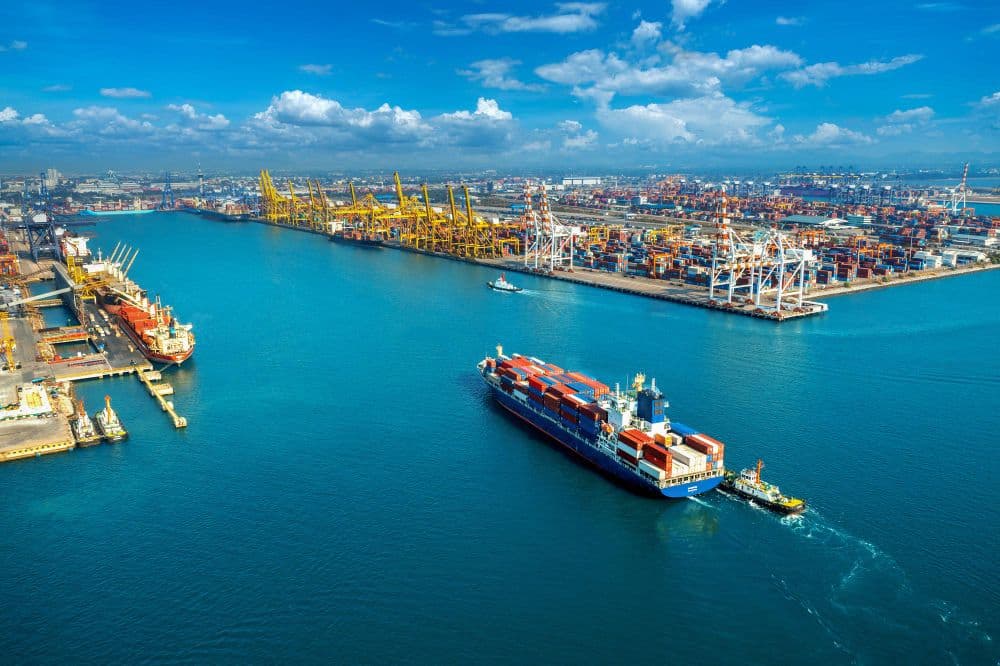
Maersk’s 100% Ethanol Voyage Marks New Step in Shipping Decarbonization

Takeaways
- Maersk has completed its first successful voyage powered entirely by ethanol, expanding fuel options for shipping decarbonization.
- The trial supports the company’s broader carbon neutrality target for 2040 and highlights growing investment in alternative marine fuels.
- Supply chain limitations and environmental concerns around ethanol production remain key challenges for large-scale adoption.
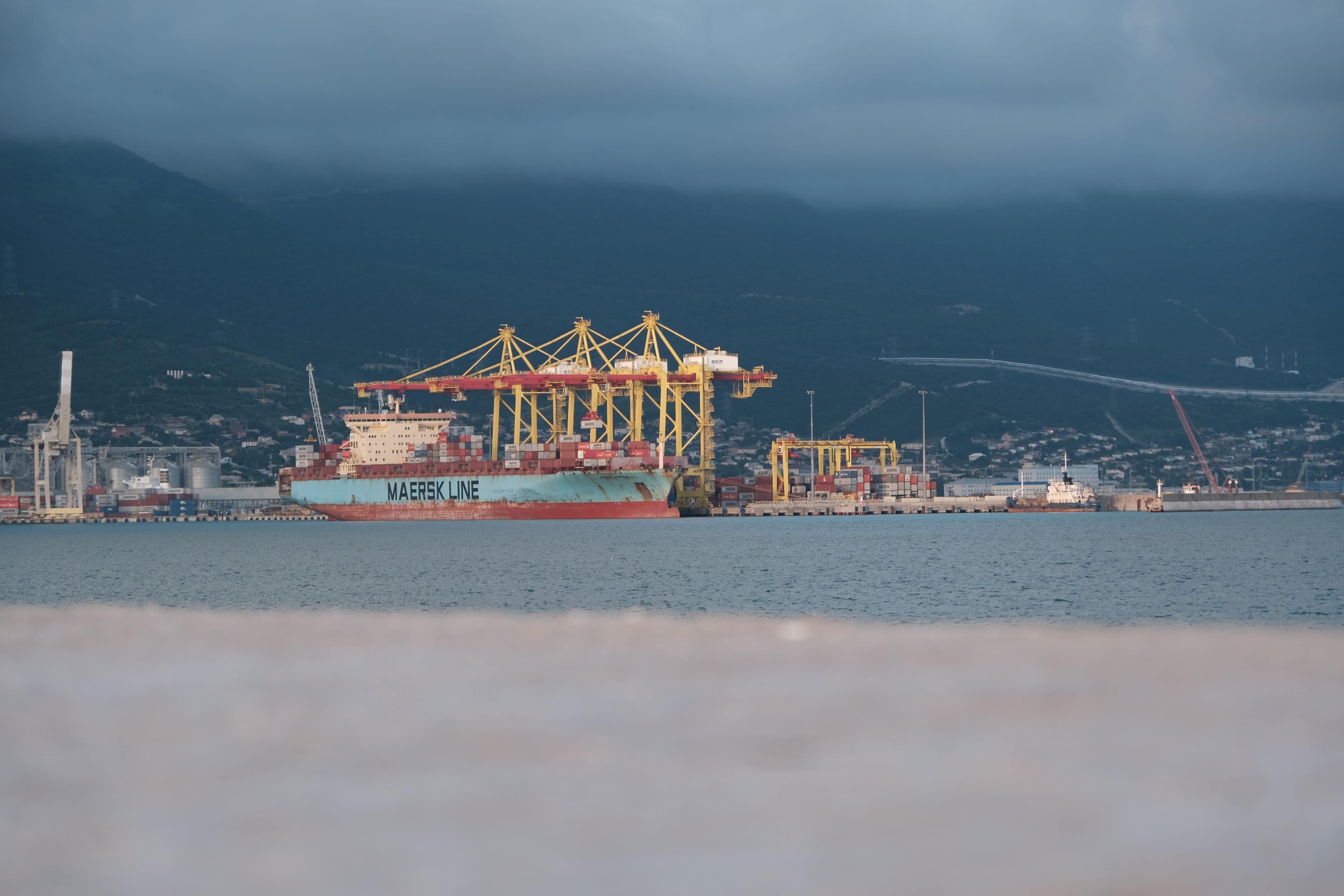
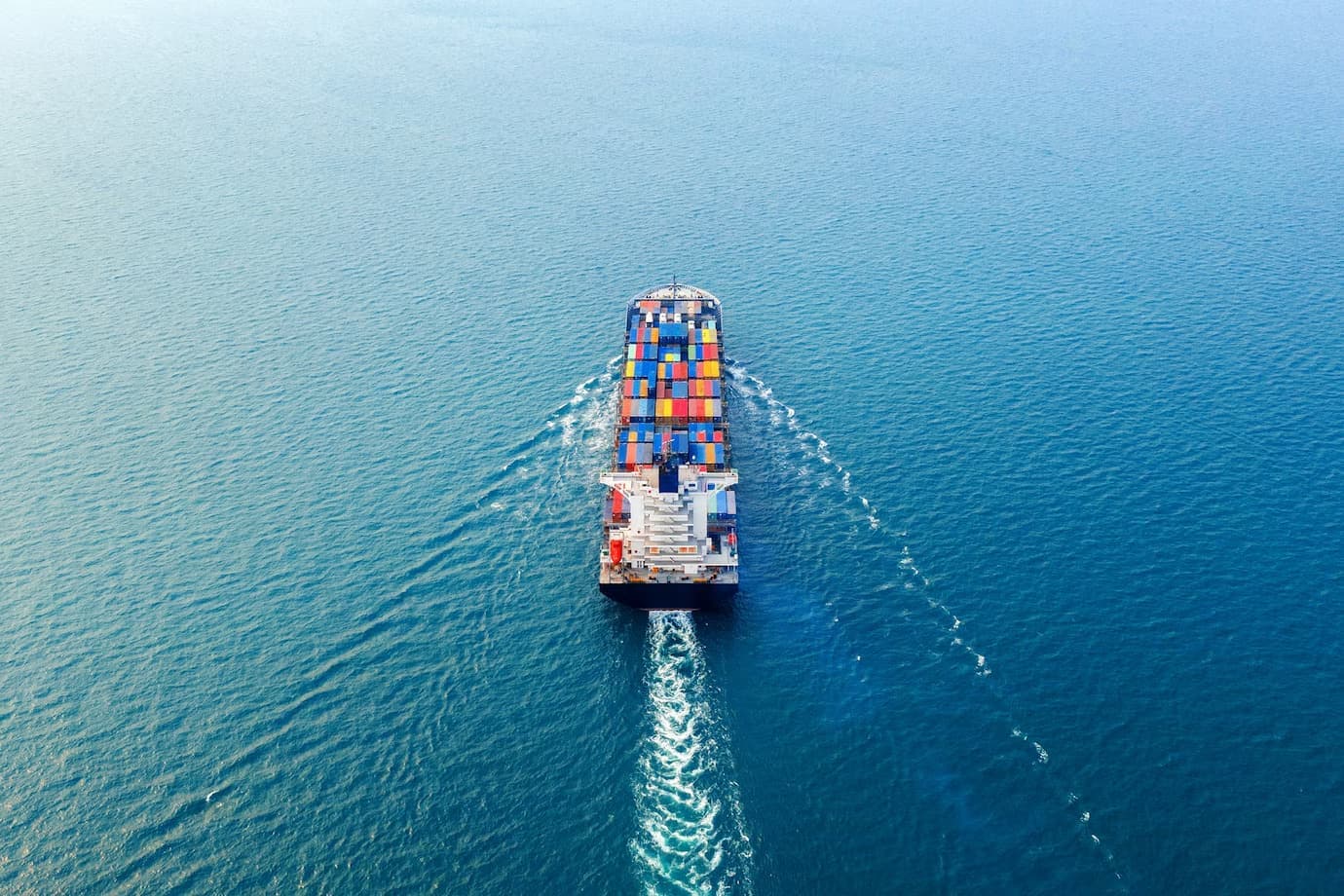
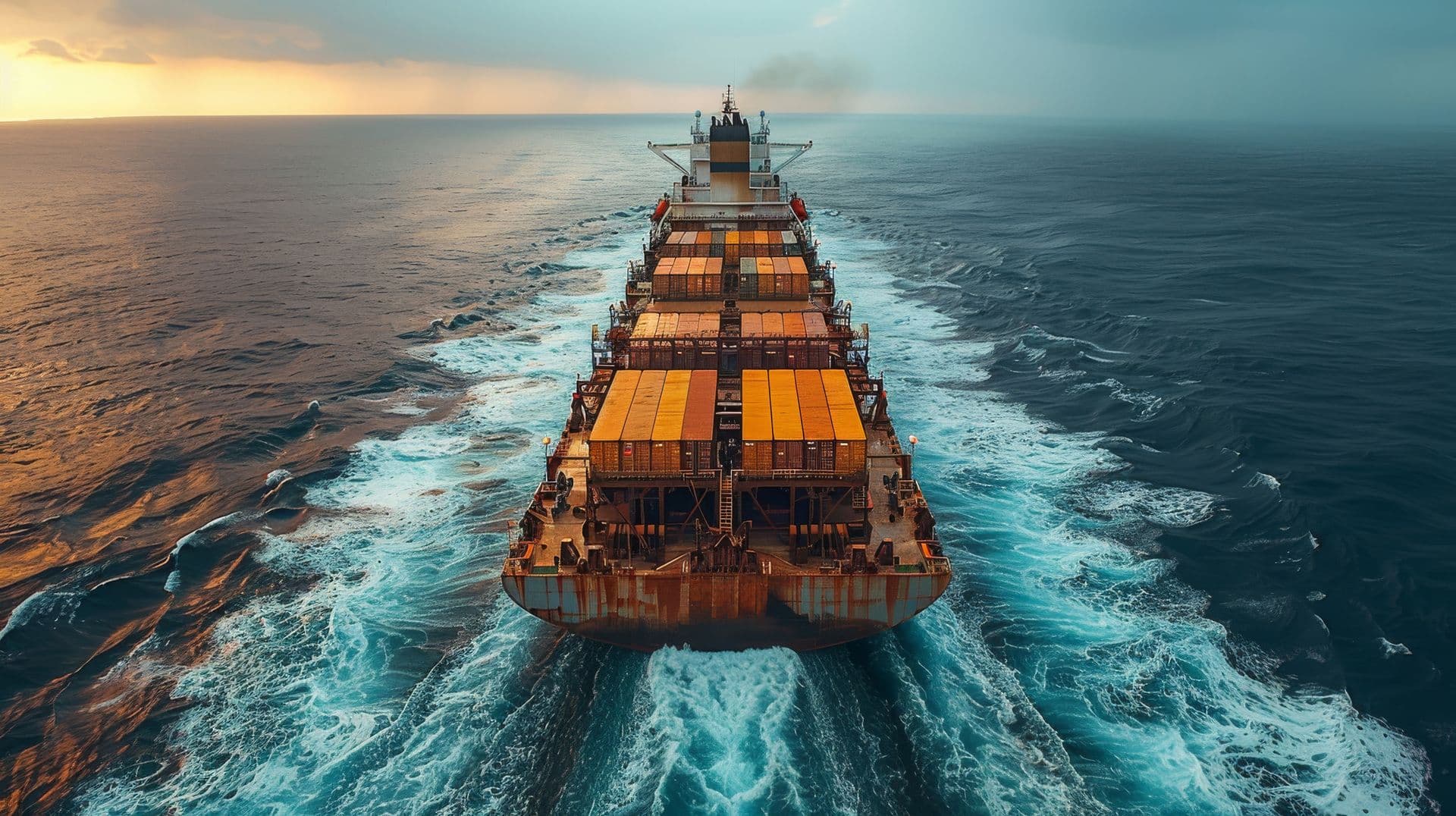
Global shipping giant Maersk has completed its first voyage powered entirely by ethanol, marking a new milestone in the push toward shipping decarbonization.
The company confirmed that the voyage, carried out during the first quarter of 2026, was completed successfully. According to Maersk, the fuel performed reliably throughout the journey and provided valuable operational data that could help support wider adoption across its fleet.
The development comes as the global shipping industry faces increasing pressure to reduce maritime emissions and move away from fossil fuels. Shipping currently contributes around 2% to 3% of global greenhouse gas emissions, making the sector one of the world’s major industrial polluters.
Read More: DSV Accelerates Decarbonization Across Global Transport & Logistics
Maersk has been steadily expanding its use of alternative marine fuels as part of its target to achieve carbon neutrality by 2040. The company’s timeline is notably ahead of the International Maritime Organization’s broader goal of reaching net-zero emissions across the shipping industry by 2050.
The latest Maersk ethanol voyage follows a series of earlier fuel trials. Last year, the company tested a 10% ethanol blend in its dual-fuel vessels before later moving to a 50-50 ethanol-methanol mix. Those tests demonstrated that ethanol could be integrated safely into marine fuel systems.
The recent voyage marked the first time a vessel operated successfully using 100% ethanol as fuel.
Maersk said ethanol could become another scalable, low-emission shipping fuel option for the industry. The company also noted that the trial could increase flexibility for its growing methanol-capable fleet.
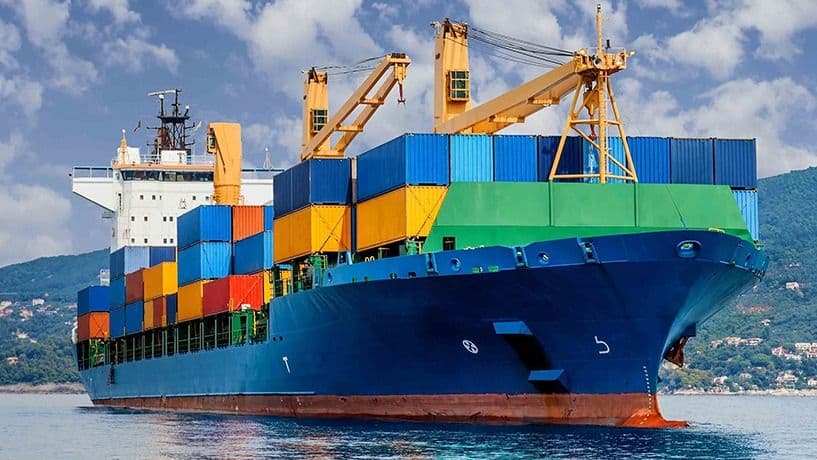
Dual-fuel vessels are becoming increasingly important as shipping companies navigate changing climate regulations and fuel availability challenges. These vessels can operate on conventional bunker fuel while also supporting lower-emission alternatives such as methanol and ethanol.
Maersk has already ordered 45 dual-fuel vessels, with 14 currently in operation. The company’s investment reflects a broader industry trend toward cleaner fuel technologies as shipping firms seek practical ways to cut emissions while maintaining global trade operations.
At the same time, the race to scale shipping industry decarbonization is creating new supply chain questions.
Industry estimates suggest that if the global maritime sector adopted even a 10% ethanol blend, annual demand could rise to nearly 50 billion liters. That figure would exceed Brazil’s current ethanol production levels.
The United States and Brazil together currently account for around 80% of global ethanol production. However, infrastructure gaps remain a challenge, particularly in regions where ethanol refueling facilities are still limited.
Environmental concerns also continue to surround biofuel expansion. Critics argue that rising ethanol demand could increase pressure on land use and contribute indirectly to deforestation, even when production follows legal sustainability standards.
Still, the successful ethanol trial highlights how rapidly shipping companies are broadening their search for commercially viable low-emission fuels.
Also Read: Embarking on a Global Journey to Green Shipping
For investors, the development points to growing opportunities in maritime fuel infrastructure, renewable fuel supply chains, and dual-fuel vessel technology. For policymakers, it reinforces the challenge of scaling cleaner fuels quickly enough to meet climate targets without creating additional environmental risks.
Follow more news and views via our Sustainable Finance & Technology and Featured Articles sections, and stay updated on the top ESG events to attend in 2026 for industry insights and networking.
If you're looking for suitable ESG and Sustainability providers to share customized solutions specific to your business needs, you can check out KnowESG's Solutions page.
If you are an ESG provider looking to get your organization listed on our portal, visit this page.
Source: ESG NEWS