Cocoon Secures $15M to Advance Low-Carbon Building Materials

Takeaways
- Cocoon Carbon has raised $15 million in Series A funding to scale low-carbon building materials and reduce emissions from cement production.
- The startup’s cement alternative can cut the embodied carbon of concrete by up to 40%, offering a cost-competitive and scalable solution.
- Funding will support a U.S. demonstration facility and expansion across 50+ steel plants in the U.S. and Europe, advancing sustainable construction.
London-based startup Cocoon Carbon has raised $15 million in a Series A funding round to accelerate the commercialization of its low-carbon building materials, aimed at reducing emissions linked to cement production. The company is developing a cement alternative that could play a key role in decarbonizing concrete, one of the world’s most carbon-intensive construction materials.
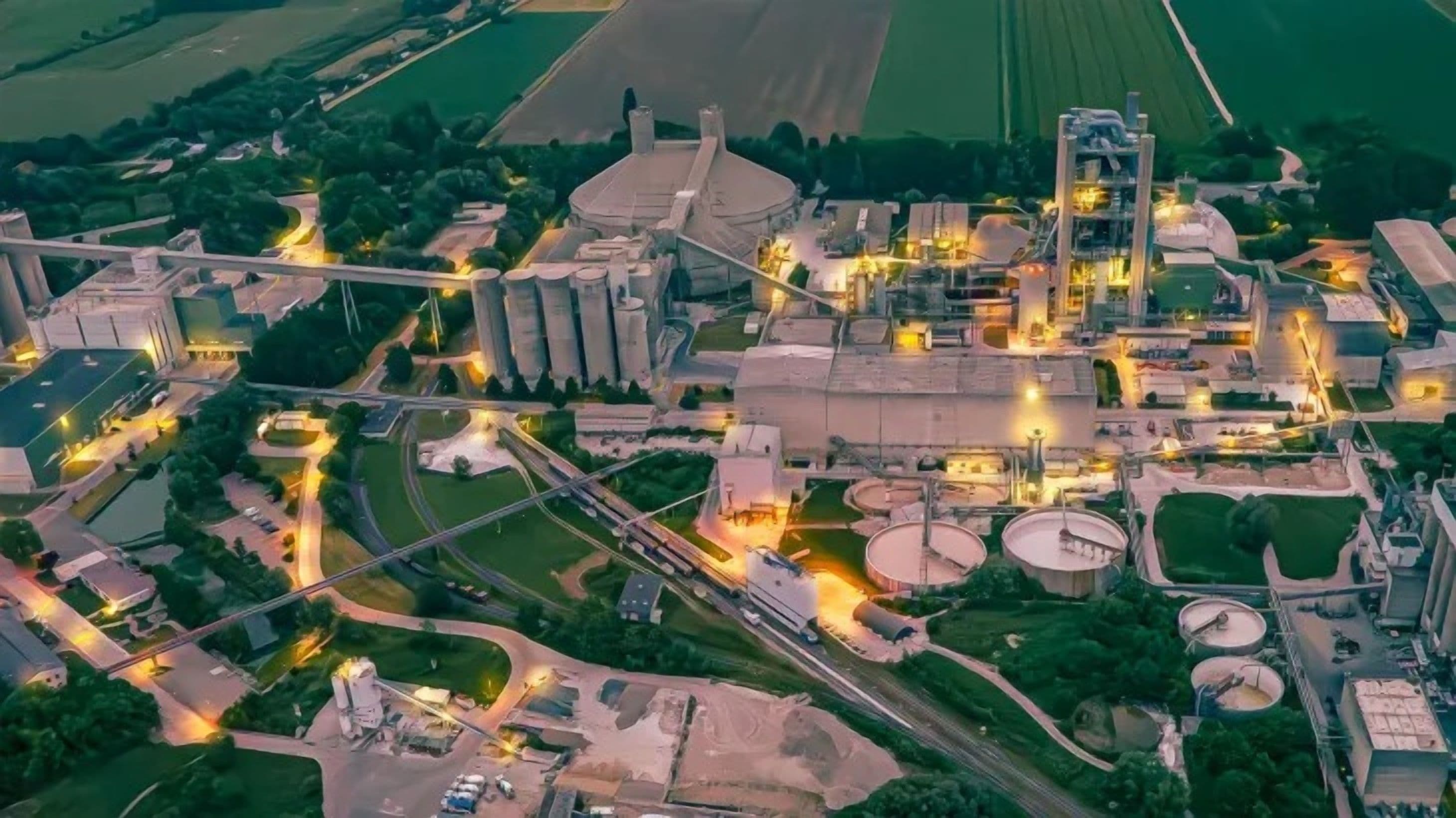
Building materials are a major contributor to global greenhouse gas emissions, with cement production alone responsible for roughly 8% of global carbon dioxide emissions. Producing 1,000 kg of cement generates more than 900 kg of CO₂, making innovation in sustainable construction critical to climate goals.
Founded in 2023, Cocoon Carbon is focused on reducing emissions from heavy industry by transforming steel waste into valuable materials. The company has developed a supplementary cementitious material (SCM) by converting steel slag from electric arc furnaces (EAFs) into a green cement alternative. Electric arc furnaces are already considered a lower-carbon method of steel production, and Cocoon’s process builds on this advantage to create a more sustainable concrete supply chain.
Read More: Boral Advances CO₂ Capture with Recycled Concrete in Low-Carbon Mix
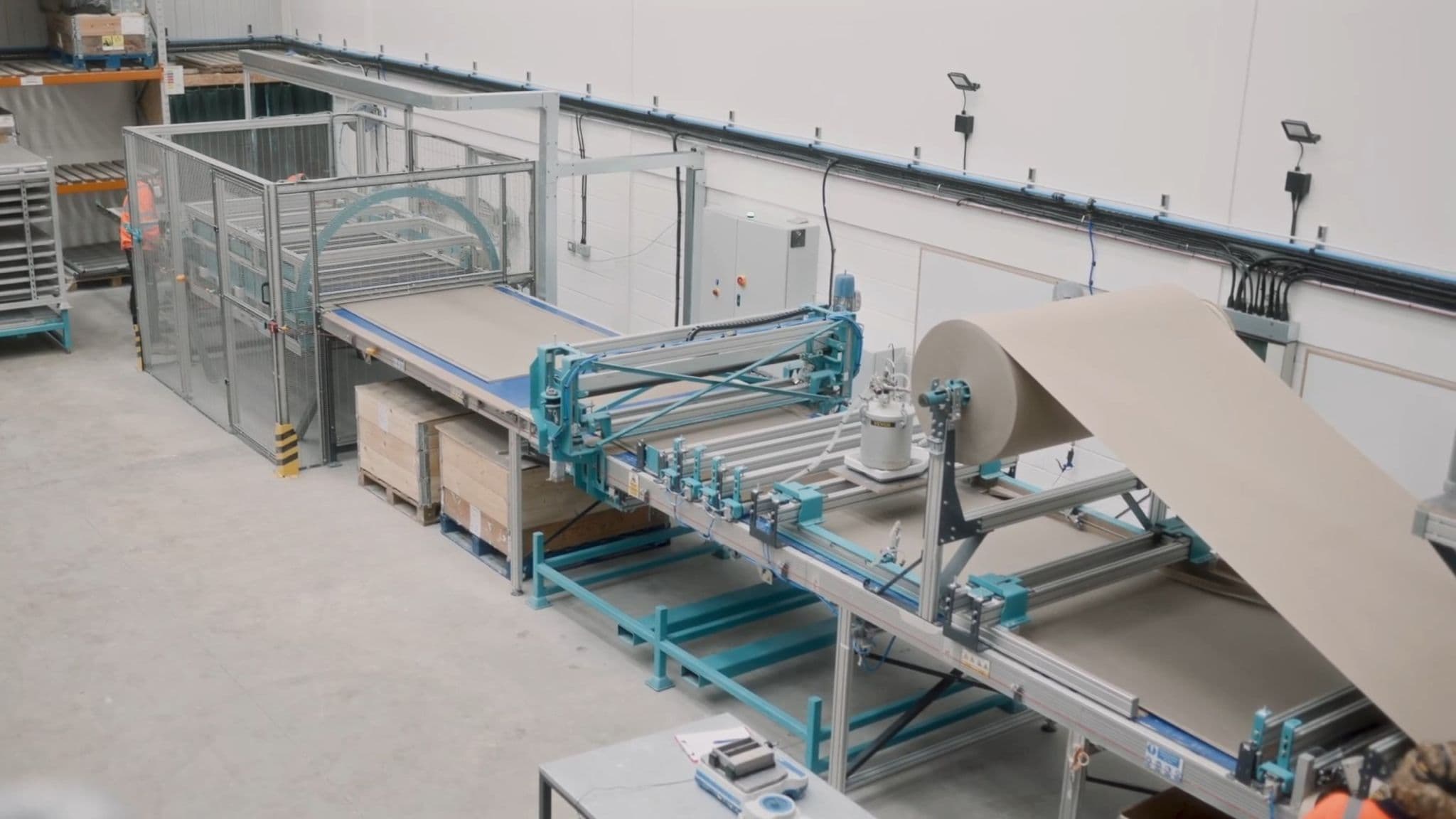
According to the company, its technology can reduce the embodied carbon reduction of concrete by up to 40% compared to conventional materials. The solution captures molten slag directly from EAF production and cools it 100 times faster than traditional technologies, ensuring consistent quality and supply of SCM. By co-locating production at steel plants, Cocoon also reduces energy consumption, transportation costs, and capital requirements.
Importantly, the company aims to eliminate the “green premium” often associated with sustainable alternatives. Cocoon states that its cement alternative is designed to be cost-competitive, making it easier for construction companies to adopt low-carbon building materials without increasing project costs.
The funding round was led by venture firms 2150 and Brick & Mortar Ventures, with participation from The Venture Collective, Wireframe Ventures, Celsius Industries, Gigascale Capital, and SOSV. The investment will help Cocoon build its first commercial demonstration facility in the United States, validating the product’s performance at an industrial scale.
The company also plans to expand its technology across more than 50 steel plants in the U.S. and Europe, supporting wider adoption of sustainable construction materials.
Eliot Brooks, CEO and Co-founder of Cocoon Carbon, emphasized the urgency of scaling solutions that reduce emissions from infrastructure development.
“The SCM market is facing a structural deficit at exactly the moment infrastructure demand is rising. We’re focused on delivering a plug-and-play solution that gives concrete producers access to affordable, local materials while improving the economics of electric steelmaking. Expanding supply is the fastest way to stabilize costs and lower carbon in concrete.”
Jacob Bro, Partner and Co-Founder of 2150, highlighted the importance of innovation in cement alternatives, noting that concrete remains one of the largest industrial sources of emissions globally.
Also Read: GCCA Launches Low Carbon Rating System for Sustainable Cement
As demand for infrastructure grows worldwide, innovations like Cocoon’s supplementary cementitious material could help reduce the environmental impact of construction while maintaining performance and affordability. The funding signals growing investor confidence in technologies that support decarbonizing concrete and accelerating the transition to low-carbon building materials.
Follow more news and views via our Sustainable Finance & Technology and Featured Articles sections, and stay updated on the top ESG events to attend in 2026 for industry insights and networking.
If you're looking for suitable ESG and Sustainability providers to share customized solutions specific to your business needs, you can check out KnowESG's Solutions page.
If you are an ESG provider looking to get your organization listed on our portal, visit this page.
Source: ESGtoday