Sustainable Future: Mexico’s Avocado Exports to Go Deforestation-Free by 2026

Mexico’s avocado industry has pledged to eliminate deforestation-linked exports by 2026, in a move aimed at protecting forests while ensuring the long-term sustainability of one of its most profitable crops. The United States is the largest importer of Mexican avocados, buying around 80% of exports, worth about $4 billion in 2025, according to a U.S. Department of Agriculture report.
The industry, represented by the Association of Avocado Exporting Producers and Packers of Mexico (APEAM) and the Mexican Hass Avocado Importers Association (MHAIA), supports 35,000 growers, 90 packers, and 54,000 orchards. Together, they generate $6 billion in Mexico and $7.5 billion in U.S. economic output while supporting nearly 120,000 jobs across both countries.
New Rules for Deforestation-Free Certification
Under the new pledge, orchards planted on land cleared between 2018 and 2024 will still qualify for certification if growers compensate for the loss of ecosystem services, preferably through environmental interventions. However, starting in 2026, orchards on land deforested from 2025 onward will not be eligible for export.
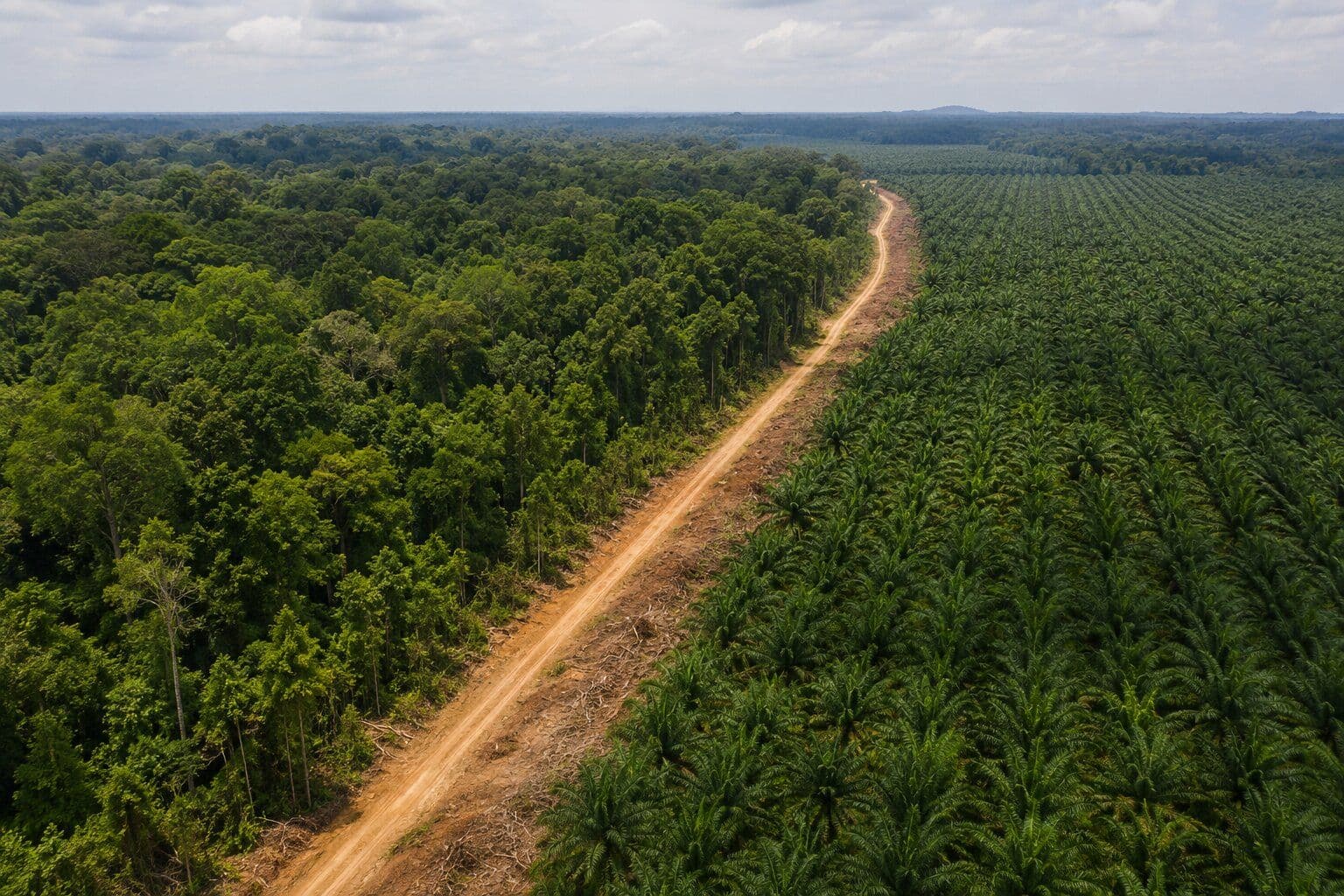
The commitment follows criticism of avocado-driven deforestation. A 2023 investigation by Climate Rights International (CRI) found that avocado farming likely contributed to the deforestation of 40,000 to 70,000 acres between 2014 and 2023. The investigation also reported illegal water extraction, shortages, and even violence against locals opposing environmental damage.
Read More: ESG Revolution: Transforming Business for a Sustainable Future
Rising Pressure from Consumers and Watchdogs
Concerns about the industry’s sustainability have also reached U.S. courts. In 2024, the Organic Consumers Association filed lawsuits against U.S. avocado importers, accusing them of “deceptive” marketing practices by labeling their avocados as “sustainable” and “responsibly sourced.”
Critics argue that the scale of deforestation and water issues is being downplayed. Daniel Wilkinson, senior advisor at CRI, warned that while orchards may take years before producing crops, deforestation and water shortages are already impacting communities. He also highlighted links to organized crime in some regions, making enforcement crucial.
Industry Response and Monitoring
In response, APEAM and MHAIA have introduced a “Path to Sustainability” plan, which sets goals for sustainable water use, biodiversity conservation, and achieving net-zero deforestation and carbon emissions by 2035. Only 3–5% of avocado production currently comes from land cleared since 2018, according to industry estimates.
To ensure compliance, the Mexican government’s environmental and forestry agency will oversee monitoring and enforcement. Meanwhile, the avocado industry’s traceability system, established in 2020, already tracks each avocado from the orchard to export. The system, initially designed for plant health compliance, will now be expanded to identify whether produce comes from deforested land.
Still, experts stress the need for robust verification methods. “If the industry gets certification wrong, it could lead to greenwashing,” Wilkinson cautioned.
Also Read: Climate Solutions: The World’s First ESG & Sustainability Marketplace
A Balancing Act
Despite the challenges, many large exporters are already working with Michoacán’s government and Guardián Forestal to prevent avocados grown on deforested or protected land from entering the supply chain. The new deforestation-free pledge signals a stronger industry-wide commitment, but experts say real progress will depend on transparent data, credible monitoring, and enforcement.
As the global demand for avocados continues to rise, Mexico’s efforts to align sustainability with profitability could set a precedent for other agricultural industries facing similar pressures.
Follow more news and views via our Environment and Featured Articles sections, and stay updated on the top ESG events to attend in 2025 for industry insights and networking.
Source: FreshFruitPortal.com
Get the ESG Brief in your inbox
One concise email a week — the ratings moves, regulation deadlines, and vetted solutions that matter. Trusted by sustainability and finance teams.
No spam · unsubscribe anytime.