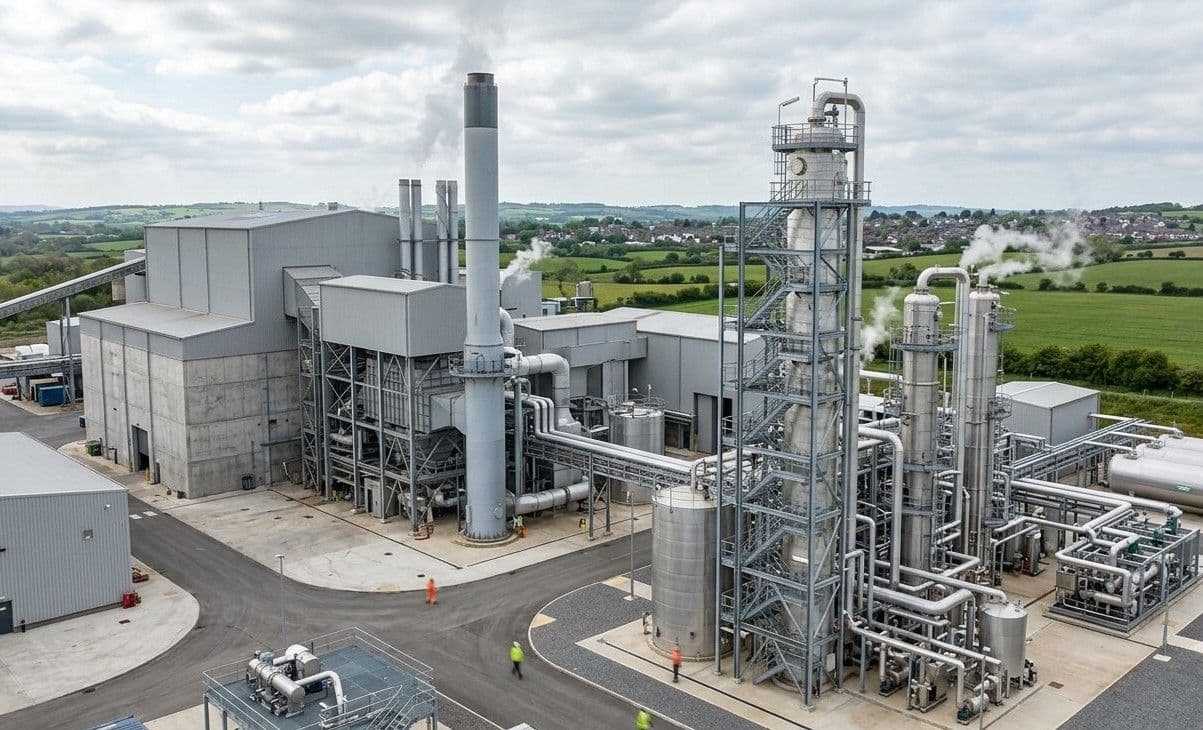
Mining Industry Faces Tough Road to Net Zero Emissions

The mining industry is committed to achieving net-zero emissions (NZE), but leaders in the sector say the road ahead is far from smooth. Anggawira, Chairman of the Indonesian Energy, Mineral, and Coal Suppliers Association (Aspebindo), recently highlighted several pressing challenges that are preventing mining companies from fully implementing their energy transition plans.
Technology and Infrastructure Gaps
According to Anggawira, one of the biggest hurdles lies in the technological and infrastructure limitations that the industry faces. Many mining operations still depend on fossil fuels, from diesel-powered heavy machinery to coal-based logistics and mineral processing systems. Transitioning to low-carbon alternatives requires access to affordable, advanced technologies, which are not yet widely available.
“The main challenge lies in the gap between vision and on-the-ground realization. Normatively, the mining sector is committed to the energy transition, but implementation is still hindered by several factors,” Anggawira shared on Monday.
Read More: Top Social Trends In ESG For Mining Companies
Limited Economic Incentives
The economic landscape also poses a significant challenge. Without strong fiscal support, such as tax incentives for renewable energy adoption or carbon offsets, mining companies find it challenging to justify the high cost of transitioning to greener operations. Anggawira emphasized that energy transition investments must be made more competitive if the sector is to accelerate its decarbonization efforts.
Regulatory Hurdles and Misalignment
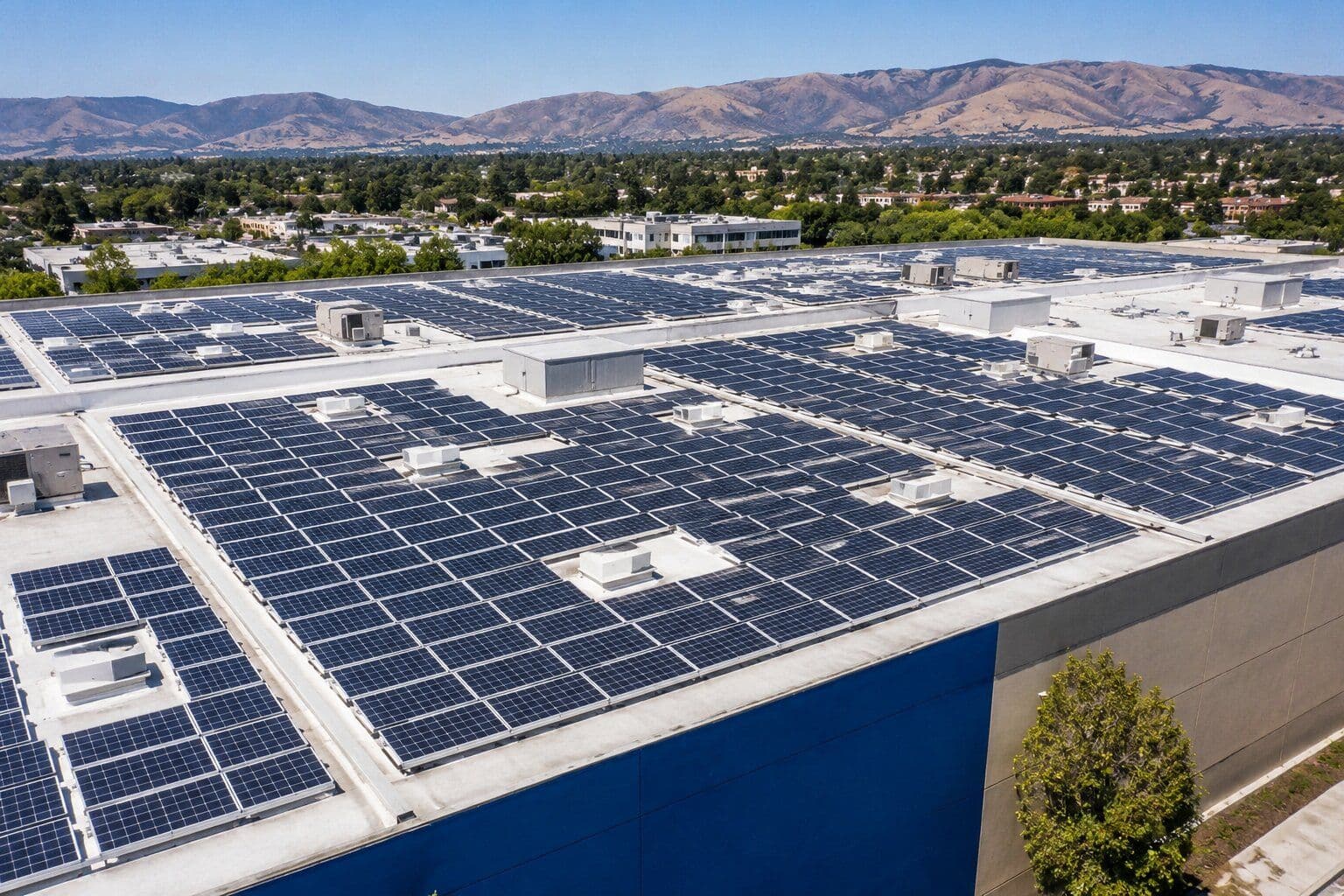
Another barrier is regulatory inconsistency. While companies are under pressure to cut emissions, Anggawira pointed out that some environmental and energy regulations overlap or conflict. For example, mining operators face difficulties in obtaining permits for solar power installations or implementing post-mining reforestation projects, despite being encouraged to lower emissions.
Challenges in Accessing Green Financing
The availability of green financing and Environmental, Social, and Governance (ESG) funding is another area of concern. Smaller and medium-sized mining companies often struggle to meet the stringent requirements set by investors and financial institutions. These complex criteria are inclined more toward large corporations, leaving smaller players with limited options to fund their sustainability initiatives.
Also Read: Workday Paves the Way for Greener Mining with ESG Tech
A Call for Realistic and Collaborative Action
To bridge the gap between ambition and action, Anggawira urged all stakeholders, i.e., governments, businesses, and investors, to work collaboratively in implementing the green economy roadmap. He stressed that the transition to net zero should be seen as a business opportunity rather than a burden.
“We cannot talk about net zero in mining using a moralistic approach. It must be realistic, data-driven, and accompanied by economic incentives. The transition should be designed as a new business opportunity, not as a burden,” he shared.
The message from industry leaders is clear: Achieving net-zero emissions in mining is possible, but it requires a strategic blend of technological advancement, regulatory reform, economic incentives, and access to sustainable financing. Without addressing these core challenges, the sector’s ambitious climate goals may remain out of reach.
Follow more news and views via our Environment and Featured Articles sections, and stay updated on top ESG events to attend in 2025 for industry insights and networking.
Source: JAKARTAGLOBE.ID
Get the ESG Brief in your inbox
One concise email a week — the ratings moves, regulation deadlines, and vetted solutions that matter. Trusted by sustainability and finance teams.
No spam · unsubscribe anytime.