Why Gorgon CCS Highlights the Limits of Carbon Capture Solutions

Takeaways
- Chevron’s Gorgon CCS project captured its lowest-ever annual CO₂ volume in FY2024–25, raising costs and doubts about CCS reliability.
- Even at full capacity, Gorgon CCS would offset only a small fraction of total emissions from gas extraction and use.
- High costs and technical uncertainty suggest CCS will play a limited role in cutting global fossil fuel emissions compared with renewables.
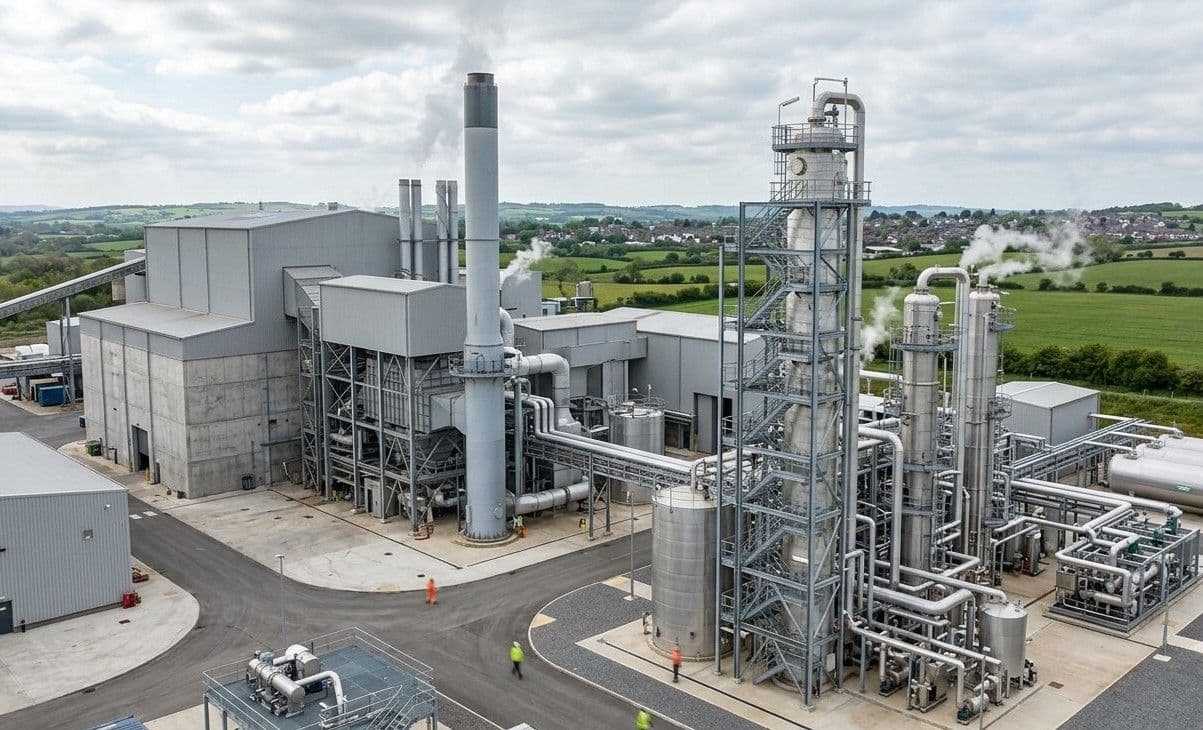
The world’s largest carbon capture and storage (CCS) project is struggling to meet its climate promise. New data from Chevron shows that its Gorgon CCS facility in Western Australia recorded the lowest annual level of carbon dioxide (CO₂) capture since operations began in 2019, underscoring growing concerns about the technology’s effectiveness and cost.
In the 2024–25 financial year, Gorgon CCS captured 1.33 million tonnes (Mt) of CO₂. This is just a quarter of the 5.22Mt of CO₂ removed from gas extracted from the Gorgon and associated fields that supply the Gorgon LNG plant on Barrow Island. Falling injection rates have also pushed up the effective cost per tonne of CO₂ captured, further weakening the project’s economic case.
Read More: What Is Carbon Capture & Storage? Technology, Benefits & Risks
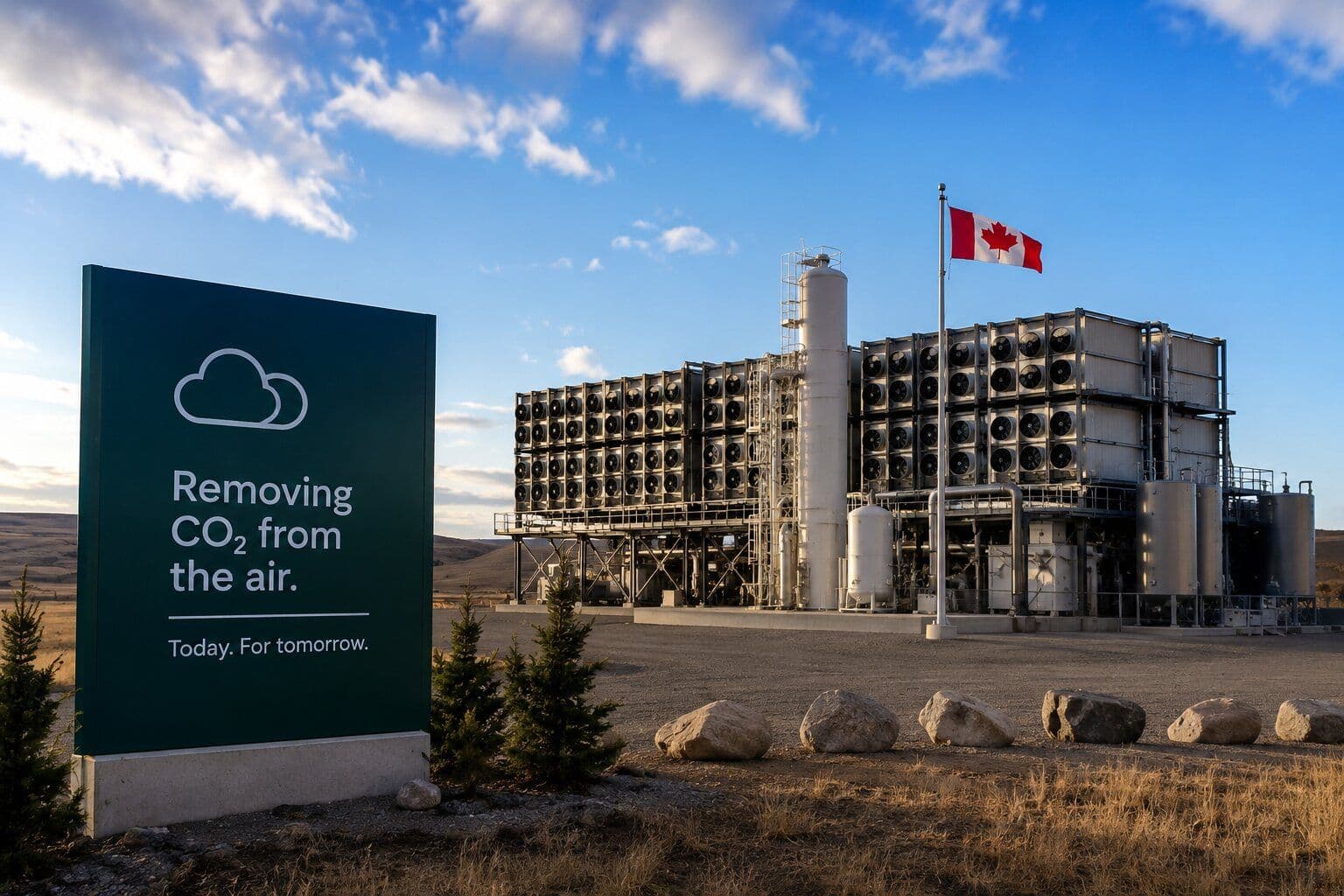
This matters because CCS is being promoted by the oil and gas industry as a key climate solution. Fossil fuel emissions reached 37.8 billion tonnes of CO₂ last year, placing the world on track for a 2.6°C temperature rise, according to Climate Action Tracker. Industry leaders argue that large-scale CCS, supported by public funding, can help close the emissions gap.
Gorgon’s performance tells a different story. Chevron does not disclose Scope 3 emissions from customers burning its gas, which account for about 90% of total emissions linked to the project. However, company planning documents estimate that if the gas were consumed in Asia-Pacific power generation, emissions would reach around 50MtCO₂ annually. On that basis, Gorgon CCS captured just 2.66% of total emissions from extracting, processing, and burning gas.
Even if Gorgon were operating at its intended target of 4MtCO₂ a year, it would offset only about 8% of total emissions from the LNG project. Similar limitations would apply to proposed developments such as Woodside’s Browse project and Inpex’s Bonaparte project.
Despite this, Gorgon CCS remains a bellwether for the global CCS industry. The project represents a large share of the world’s dedicated CCS capacity, which totals about 11.6Mt per year. Yet actual capture rates are far lower. Because industry reporting focuses on nameplate capacity rather than real-world performance, the total CO₂ stored globally is likely little more than 10Mt annually, just 0.00026% of global fossil fuel emissions.
Also Read: Carbon Capture Market Forecast: Policy Shifts Fuel Global Growth
Costs are another major challenge. Based on recent performance, the average cost of capturing CO₂ at Gorgon has risen to about AU$265 per tonne, nearly four times the originally projected AU$70. By comparison, renewable energy costs have fallen sharply. Solar PV now delivers electricity at well under AU$100 per megawatt hour, far cheaper than gas-fired power with CCS.
As renewables overtake coal in global electricity generation, Gorgon’s struggles highlight a broader reality: CCS faces deep technical uncertainty and high costs, limiting its role in addressing climate change.
Follow more news and views via our Climate & Environment and Featured Articles sections, and stay updated on the top ESG events to attend in 2025 for industry insights and networking.
If you're looking for suitable ESG and Sustainability providers to share customized solutions specific to your business needs, you can check out KnowESG's Solutions page.
If you are an ESG provider looking to get your organization listed on our portal, visit this page.
Source: Institute for Energy Economics and Financial Analysis
Get the ESG Brief in your inbox
One concise email a week — the ratings moves, regulation deadlines, and vetted solutions that matter. Trusted by sustainability and finance teams.
No spam · unsubscribe anytime.