US Exits Paris Agreement, Leaving Global Climate Leadership Fractured

Takeaways
- The US has exited the Paris Agreement for a second time, becoming the only country outside the global climate pact.
- The move weakens global climate governance and risks slowing international climate ambition and finance.
- Despite federal retrenchment, clean energy markets and US state-level climate action continue to advance.
The United States has formally exited the Paris Agreement for the second time, completing a year-long withdrawal process that removes the world’s largest economy from the central framework for global climate action. With the exit now in effect, the US stands alone outside the pact, joining Iran, Libya, and Yemen as non-participants, while also stepping away from broader international climate institutions.
The withdrawal follows an Executive Order signed on the first day of President Donald Trump’s current term. It mirrors a similar move made in late 2020, which was reversed when President Joe Biden rejoined the agreement in early 2021. This time, however, the administration has gone further by withdrawing from the United Nations Framework Convention on Climate Change (UNFCCC), the parent treaty that underpins the Paris Agreement. Analysts describe the combined decision as a wholesale retreat from global climate governance.
Read More: Xi Jinping Sets 2035 Climate Goal, Slams US Over Paris Retreat
Diplomatic and Global Implications
The US exit comes as international climate diplomacy remains focused on limiting global temperature rise. At COP30 in Brazil, the UNFCCC reaffirmed the Paris Agreement’s core goals of keeping warming well below 2°C and pursuing efforts toward 1.5°C. Shortly after the US withdrawal took effect, the UNFCCC reiterated that the Paris Agreement remains the shared framework guiding climate action for 194 countries.
Diplomats and energy analysts warn that the move creates headwinds at a time when climate cooperation is closely tied to industrial policy, energy security, supply chains, and climate finance. The decision also lands as the global economy accelerates toward electrification, renewable energy, and clean manufacturing.
US Policy Pullback and Global Impact
Alongside its international exit, the administration has rolled back clean energy programs, cancelled federal climate awards, revisited greenhouse gas regulations, and halted offshore wind development. Trump has repeatedly argued that climate policies harm the economy and dismissed climate change as “the greatest con job ever perpetrated on the world.”
Climate experts warn that US disengagement could dampen ambition elsewhere. Sue Biniaz, a former deputy US climate envoy, said global climate regimes still play a critical role in sending political signals and encouraging faster action. Other countries, she noted, may use the US exit as justification to scale back their own efforts. Israel is reportedly considering a similar move.
Analysts also see implications for China’s climate policy. Jeremy Wallace of Johns Hopkins University said the US withdrawal gives more influence to fossil fuel advocates in China, potentially slowing its energy transition.
Global Markets Advance Without US Leadership
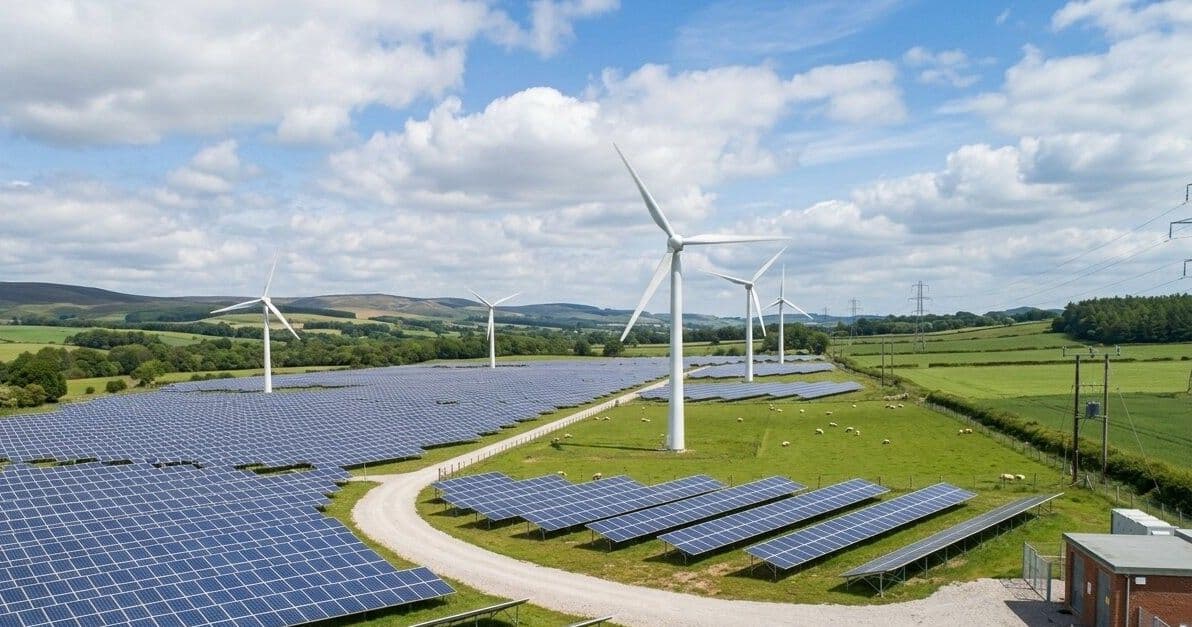
Despite geopolitical uncertainty, clean energy markets continue to expand. Renewables accounted for over 90 percent of new power capacity additions globally last year, while electric vehicles, solar manufacturing, and grid technologies continue to scale, largely driven by Chinese firms.
Still, experts caution that increased US fossil fuel production could have global impacts. Basav Sen of the Institute for Policy Studies warned that fossil-fuel-led growth in the US could shape global markets, particularly as electricity demand rises from AI data centers. He added that the Paris exit makes it harder for low-income countries to access climate finance for energy transitions.
Also Read: Sustainability Policy Split Widens Between U.S. and EU in 2025
Fragmented Leadership and Global Credibility
While federal policy retreats, subnational climate leadership persists. Governors from 24 US states have pledged continued alignment with the Paris goals. California Governor Gavin Newsom criticized the withdrawal, stating that California would continue cutting emissions and working with international partners.
Analysts say the second exit further damages US credibility. With record heat and rising economic losses from climate disasters, the future of global climate action may now hinge on how effectively the world adapts to the absence of its largest economy.
Follow more news and views via our Climate & Environment and Featured Articles sections, and stay updated on the top ESG events to attend in 2026 for industry insights and networking.
If you're looking for suitable ESG and Sustainability providers to share customized solutions specific to your business needs, you can check out KnowESG's Solutions page.
If you are an ESG provider looking to get your organization listed on our portal, visit this page.
Source: ESG NEWS
Get the ESG Brief in your inbox
One concise email a week — the ratings moves, regulation deadlines, and vetted solutions that matter. Trusted by sustainability and finance teams.
No spam · unsubscribe anytime.