Meat & Livestock Australia Halts 2030 Carbon-Neutral Plan

Australia’s red meat industry has officially abandoned its ambitious pledge to become carbon neutral by 2030, citing challenges in achieving the goal despite significant progress and investment. The target, originally set in 2017, was quietly left out of Meat & Livestock Australia’s (MLA) new long-term strategy document released on Tuesday.
Michael Crowley, Managing Director of MLA, confirmed the move, saying the sector needed “more time, more support, and more investment” to meet the climate goal. According to him, the 2030 target helped spark a wave of innovation and investment in sustainability. But the scale of transformation required means it’s challenging to realistically reach full carbon neutrality within that timeframe.
The Red Meat Advisory Council also removed the 2030 climate-neutral goal from its strategy last week. These decisions reflect a broader trend of governments and industries reassessing or scaling back earlier climate commitments amid practical and economic hurdles.
The 2030 target aimed to reduce emissions across the sector and offset any remaining output through carbon sequestration techniques, such as capturing carbon in soil or vegetation. While the industry has made significant strides in lowering its environmental footprint, achieving full neutrality has proven more complex.
Innovative strategies pursued by the sector included breeding low-methane-emitting livestock, integrating methane-reducing seaweed supplements into animal feed, and improving soil carbon capture. However, despite these efforts, a large share of emission reductions by 2021 came not from these methods but from external factors, specifically, decreased land clearing and a reduced national herd.
Read More: The Global Net Zero Movement: How Countries Are (and Aren’t) Getting There
Data from Australia’s national science agency, CSIRO, showed that emissions from the red meat industry dropped by 78% between 2005 and 2021. But methane emissions per animal remain largely unchanged, highlighting the limits of current abatement technologies.
Crowley remains optimistic, noting that much of the groundwork laid through research and investment is now ready for practical rollout. “We could still achieve 80-90% of the original goal by 2030,” he said. “We now need to drive adoption.”
He added that the 2030 pledge mobilized over A$100 million (US$66 million) in sustainability funding, which will continue to support improvements in production efficiency and efforts to reduce net emissions per kilogram of meat.
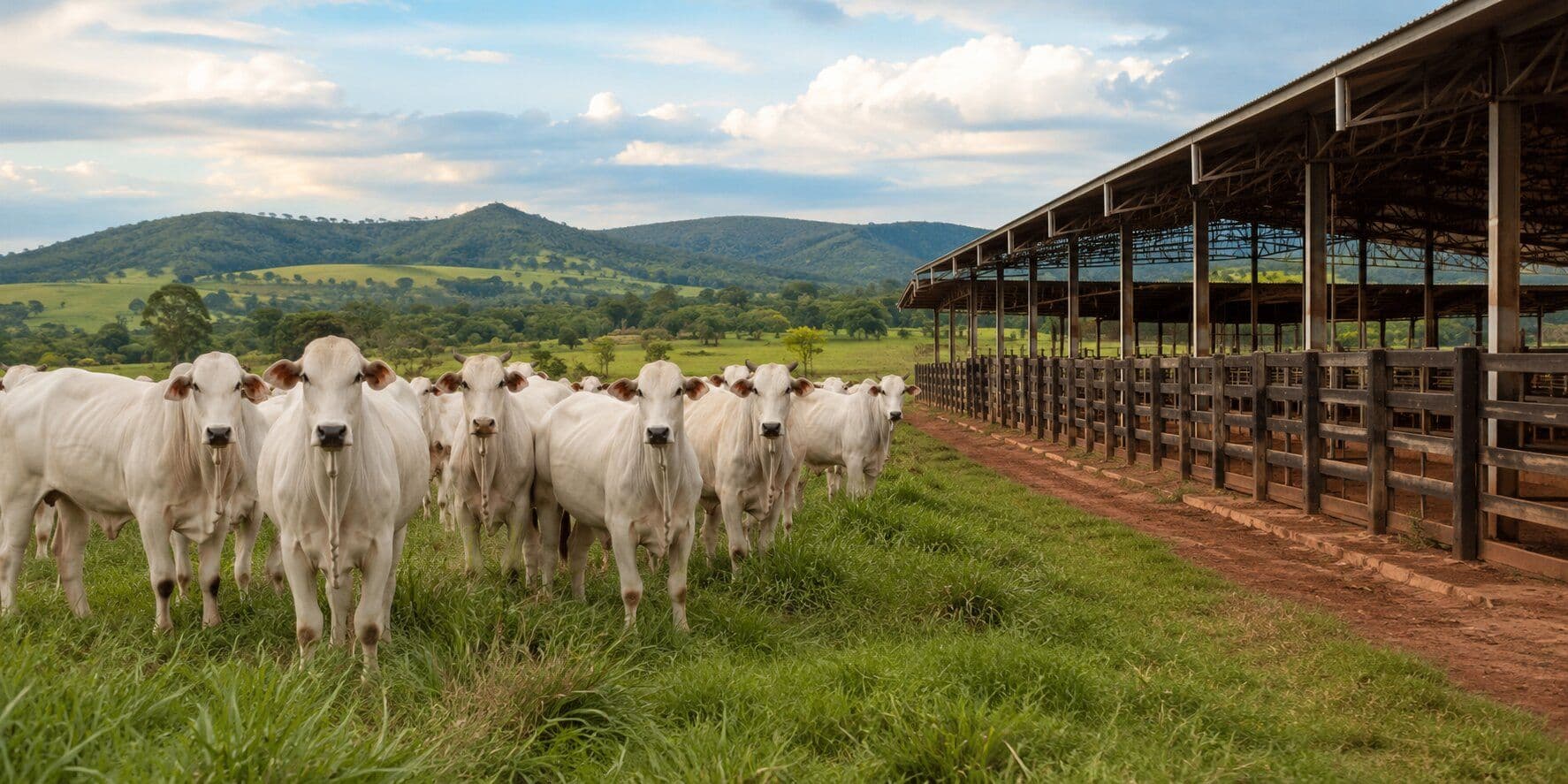
Australia is a leading player in global meat exports, with a livestock population of over 30 million cattle and more than 70 million sheep. These animals are significant emitters of methane, a greenhouse gas roughly 80 times more potent than carbon dioxide over 20 years.
Although the industry has stepped back from its original target, leaders say the broader goal of decarbonizing red meat production remains. The focus now shifts from hitting a fixed deadline to driving long-term, systemic change.
Also Read: TotalEnergies Plans Green Hydrogen for European Refineries
Follow more news and views via our Environment and Featured Articles sections, and stay updated on top ESG events to attend in 2025 for industry insights and networking.
Source: WMBD Radio
Get the ESG Brief in your inbox
One concise email a week — the ratings moves, regulation deadlines, and vetted solutions that matter. Trusted by sustainability and finance teams.
No spam · unsubscribe anytime.