€6.8M Boost for Brineworks’ Direct Air Capture and e-Fuel Push

Takeaways
- Brineworks raised €6.8 million to advance its Direct Air Capture (DAC) technology, alongside a €1.8 million EU innovation grant.
- The company’s electrolyzer captures CO₂ and produces hydrogen, paving the way for sustainable e-fuels in aviation and shipping.
- Brineworks aims to reach commercial readiness by 2026, supporting global efforts in carbon-neutral fuel production.
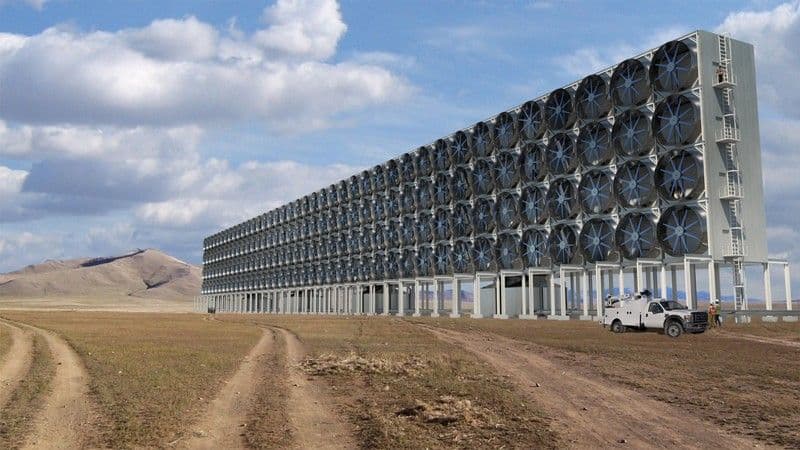
Amsterdam-based climate-tech startup Brineworks has secured €6.8 million in fresh funding to accelerate the rollout of its innovative Direct Air Capture (DAC) technology. The round was led by SeaX Ventures, with participation from Pale Blue Dot, First Momentum, AiiM Partners, Energie360°, and Katapult.
In addition, Brineworks received a €1.8 million grant from the European Innovation Council’s Accelerator program, designed to support disruptive technologies with global potential. The combined financial backing will help the company scale from prototype to pilot-level operations and prepare for commercial launch by 2026.
Electrolyzer Innovation
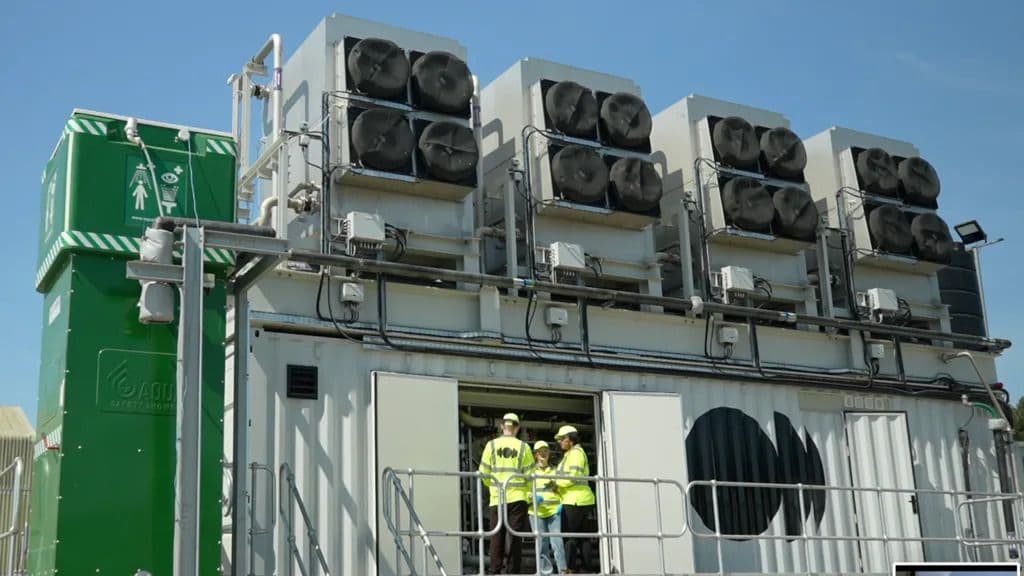
At the core of Brineworks’ technology is its patented electrolyzer, which captures carbon dioxide directly from the air at a cost below $100 per ton, a milestone long seen as the benchmark for economic viability in carbon removal. The device also produces hydrogen, making it especially valuable for industries such as aviation and shipping that are in urgent need of sustainable, carbon-neutral fuels.
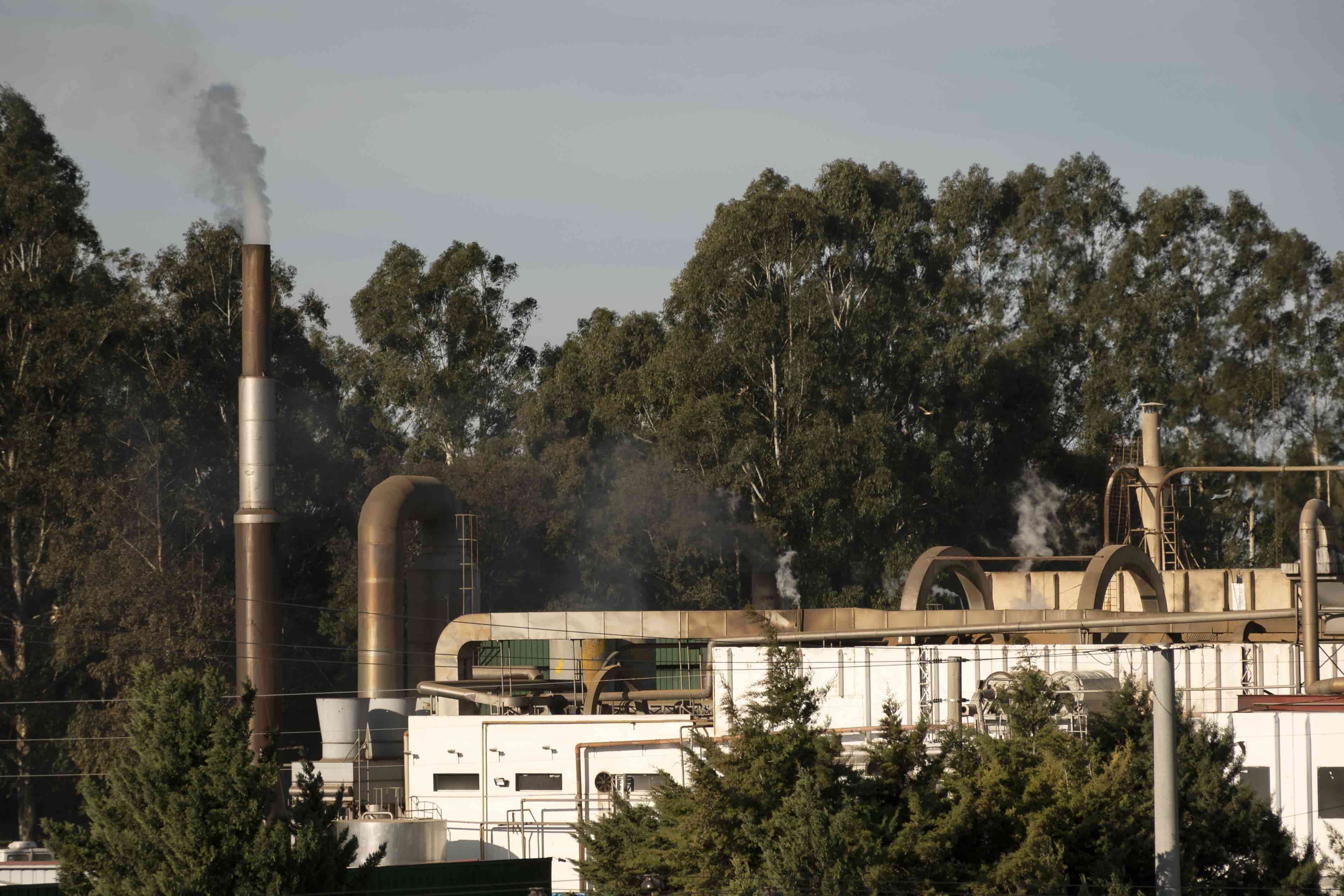
Aviation contributes about 2.5% of global CO₂ emissions, while shipping accounts for more than 3%. With demand for both sectors projected to rise, scalable DAC solutions like Brineworks’ offer a promising path toward sustainable aviation fuel and low-emission shipping.
Read More: What Is Carbon Capture & Storage? Technology, Benefits & Risks
Flexible Operation with Renewables
One of the most striking features of the electrolyzer is its ability to run intermittently, adjusting seamlessly to fluctuating renewable energy sources. This adaptability addresses a long-standing challenge for DAC systems and boosts integration with solar and wind power.
Gudfinnur Sveinsson, CEO of Brineworks, said: “It’s clear where the world is heading. Renewable energy is becoming cheaper faster than anyone predicted. The bottleneck now is technology that can use this power flexibly and affordably. That’s exactly what we’ve built — an electrolyzer that runs when the sun shines or the wind blows, and pauses when it doesn’t. We’re unlocking a dream that’s been out of reach for decades.”
Toward Commercial Scale
Founded in late 2023, Brineworks has moved rapidly from concept to validated prototype. The new funding will enable pilot deployments and put the company on track to deliver carbon-neutral e-fuels before the decade ends.
Dr. Joseph Perryman, co-founder and CTO, highlighted the breakthrough: “We envisioned the electrolyzer of the future — and now it’s here. With many long nights of work, we’ve proven a clear path to capturing CO₂ directly from the air at below $100 per ton. That’s the threshold the world has been waiting for, and now the scale-up begins.”
The potential goes beyond fuels. By combining DAC with e-fuel synthesis, nations could reduce their reliance on imported fossil fuels, strengthen energy security, and cut emissions through localized fuel production.
If successful, Brineworks could play a defining role in the energy transition, supporting cleaner skies and seas while shaping the future of decentralized, renewable-driven fuel systems.
In addition, Brineworks received a €1.8 million grant from the European Innovation Council’s Accelerator program, designed to support disruptive technologies with global potential. The combined financial backing will help the company scale from prototype to pilot-level operations and prepare for commercial launch by 2026.
Also Read: Carbon Capture Market Forecast: Policy Shifts Fuel Global Growth
Electrolyzer Innovation
At the core of Brineworks’ technology is its patented electrolyzer, which captures carbon dioxide directly from the air at a cost below $100 per ton, a milestone long seen as the benchmark for economic viability in carbon removal. The device also produces hydrogen, making it especially valuable for industries such as aviation and shipping that are in urgent need of sustainable, carbon-neutral fuels.
Aviation contributes about 2.5% of global CO₂ emissions, while shipping accounts for more than 3%. With demand for both sectors projected to rise, scalable DAC solutions like Brineworks’ offer a promising path toward sustainable aviation fuel and low-emission shipping.
Flexible Operation with Renewables
One of the most striking features of the electrolyzer is its ability to run intermittently, adjusting seamlessly to fluctuating renewable energy sources. This adaptability addresses a long-standing challenge for DAC systems and boosts integration with solar and wind power.
Gudfinnur Sveinsson, CEO of Brineworks, said: “It’s clear where the world is heading. Renewable energy is becoming cheaper faster than anyone predicted. The bottleneck now is technology that can use this power flexibly and affordably. That’s exactly what we’ve built — an electrolyzer that runs when the sun shines or the wind blows, and pauses when it doesn’t. We’re unlocking a dream that’s been out of reach for decades.”
Toward Commercial Scale
Founded in late 2023, Brineworks has moved rapidly from concept to validated prototype. The new funding will enable pilot deployments and put the company on track to deliver carbon-neutral e-fuels before the decade ends.
Dr. Joseph Perryman, co-founder and CTO, highlighted the breakthrough: “We envisioned the electrolyzer of the future — and now it’s here. With many long nights of work, we’ve proven a clear path to capturing CO₂ directly from air at below $100 per ton. That’s the threshold the world has been waiting for, and now the scale-up begins.”
The potential goes beyond fuels. By combining DAC with e-fuel synthesis, nations could reduce their reliance on imported fossil fuels, strengthen energy security, and cut emissions through localized fuel production.
If successful, Brineworks could play a defining role in the energy transition, supporting cleaner skies and seas while shaping the future of decentralized, renewable-driven fuel systems.
In addition, Brineworks received a €1.8 million grant from the European Innovation Council’s Accelerator program, designed to support disruptive technologies with global potential. The combined financial backing will help the company scale from prototype to pilot-level operations and prepare for commercial launch by 2026.
Electrolyzer Innovation
At the core of Brineworks’ technology is its patented electrolyzer, which captures carbon dioxide directly from the air at a cost below $100 per ton, a milestone long seen as the benchmark for economic viability in carbon removal. The device also produces hydrogen, making it especially valuable for industries such as aviation and shipping that are in urgent need of sustainable, carbon-neutral fuels.
Aviation contributes about 2.5% of global CO₂ emissions, while shipping accounts for more than 3%. With demand for both sectors projected to rise, scalable DAC solutions like Brineworks’ offer a promising path toward sustainable aviation fuel and low-emission shipping.
Flexible Operation with Renewables
One of the most striking features of the electrolyzer is its ability to run intermittently, adjusting seamlessly to fluctuating renewable energy sources. This adaptability addresses a long-standing challenge for DAC systems and boosts integration with solar and wind power.
Gudfinnur Sveinsson, CEO of Brineworks, said: “It’s clear where the world is heading. Renewable energy is becoming cheaper faster than anyone predicted. The bottleneck now is technology that can use this power flexibly and affordably. That’s exactly what we’ve built — an electrolyzer that runs when the sun shines or the wind blows, and pauses when it doesn’t. We’re unlocking a dream that’s been out of reach for decades.”
Toward Commercial Scale
Founded in late 2023, Brineworks has moved rapidly from concept to validated prototype. The new funding will enable pilot deployments and put the company on track to deliver carbon-neutral e-fuels before the decade ends.
Dr. Joseph Perryman, co-founder and CTO, highlighted the breakthrough: “We envisioned the electrolyzer of the future — and now it’s here. With many long nights of work, we’ve proven a clear path to capturing CO₂ directly from air at below $100 per ton. That’s the threshold the world has been waiting for, and now the scale-up begins.”
The potential goes beyond fuels. By combining DAC with e-fuel synthesis, nations could reduce their reliance on imported fossil fuels, strengthen energy security, and cut emissions through localized fuel production.
If successful, Brineworks could play a defining role in the energy transition, supporting cleaner skies and seas while shaping the future of decentralized, renewable-driven fuel systems.
Follow more news and views via our Environment and Featured Articles sections, and stay updated on the top ESG events to attend in 2025 for industry insights and networking.
Source: PULSE 2.0
Get the ESG Brief in your inbox
One concise email a week — the ratings moves, regulation deadlines, and vetted solutions that matter. Trusted by sustainability and finance teams.
No spam · unsubscribe anytime.