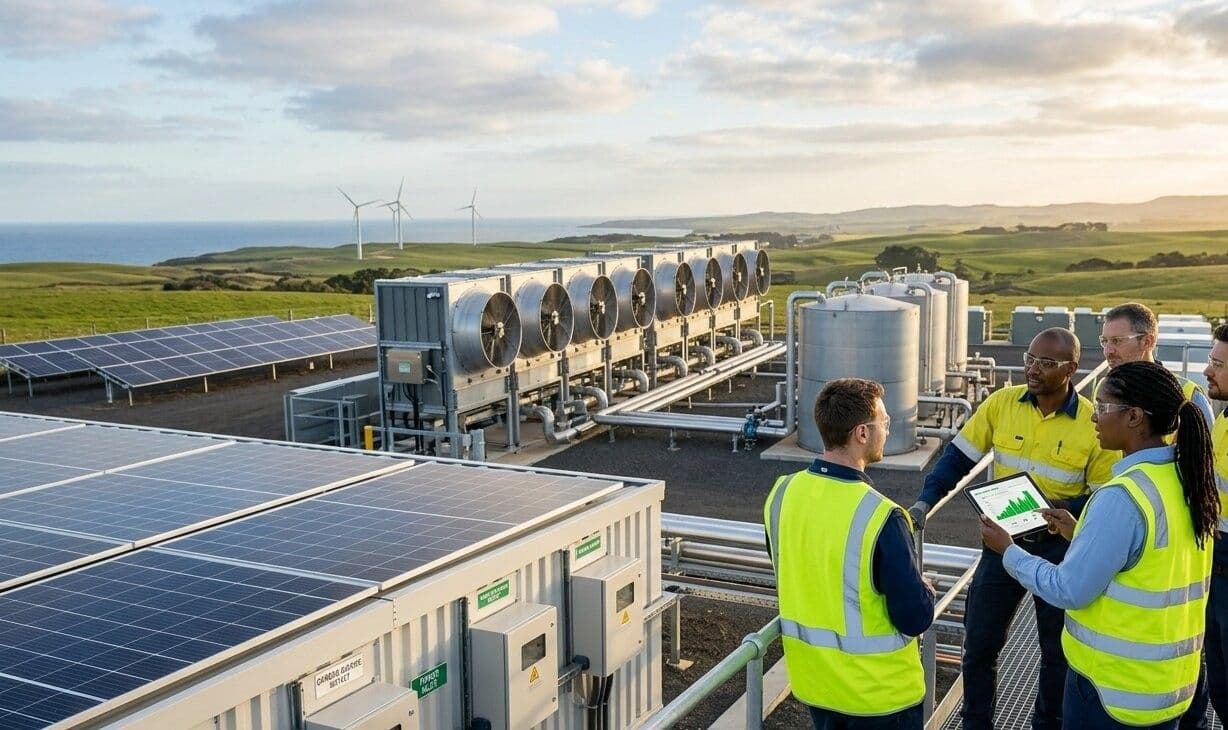
Cooling the Cloud: How Data Centers Manage Water Use

Data centers are the backbone of our digital lives, powering everything from social media to artificial intelligence (AI). But behind the cloud lies a thirsty reality: These facilities consume vast amounts of water. As climate change intensifies and water scarcity grows, the environmental impact of data centers has come under increasing scrutiny.
Where Does Water Go in Data Centers?
Data centers rely on water in three primary areas: Cooling systems, humidification, and electricity generation.
- Cooling Systems:Servers generate enormous heat, and overheating can cause malfunctions or downtime. Many data centers use water-based cooling systems to maintain safe operating temperatures. Techniques like chillers, cooling towers, and adiabatic economizers either cool water to lower air temperatures or evaporate water to remove heat. While some systems recycle water, evaporation and water treatment always result in some loss.
- Humidification Systems:Dry air can build static electricity, which poses a risk to sensitive hardware. Humidification systems vaporize water to maintain proper humidity levels. However, as water evaporates, mineral deposits form, requiring regular flushing and water replacement, adding to overall consumption.
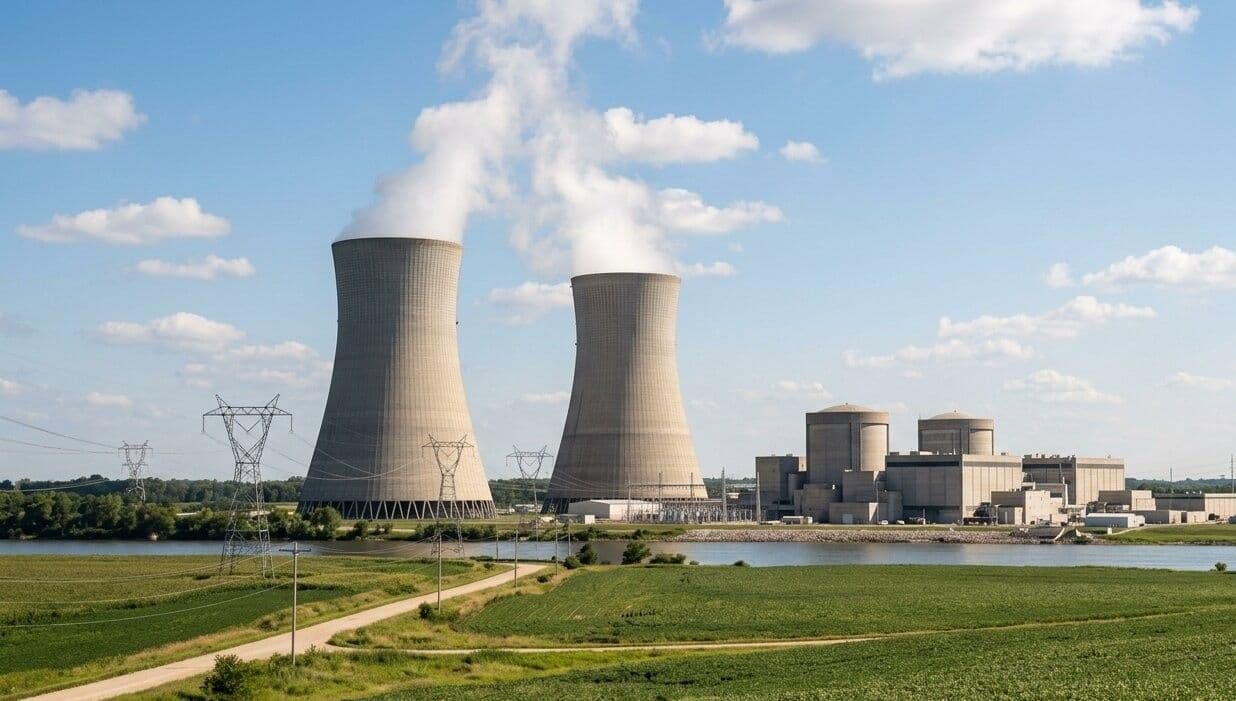
- Electricity Generation: Data centers also indirectly use water through the electricity that powers their operations. Traditional fossil fuel plants, especially coal, use water for steam generation and cooling turbines. According to the U.S. Energy Information Administration, coal plants withdraw nearly 19,185 gallons of water per MWh, compared to 2,803 gallons for natural gas. Facilities that use wind or solar power can drastically reduce their water footprint.
Read More: As AI Grows, Data Centres Face Soaring Energy Demand
Big Tech’s Water Use and Commitments
Tech giants like Google, Amazon, and Microsoft have begun sharing water usage data, though concerns about accuracy remain.
- Google: Consumed 8.1 billion gallons in 2024, nearly double its 2021 usage, driven by AI workloads. Its water replenishment projects offset about 64% of this, but critics argue the benefits do not always occur at the source.
- Amazon: Reports an average Water Usage Effectiveness (WUE) of 0.15 L/kWh, lower than the industry average of 1.8 L/kWh. It aims to be water-positive by 2030.
- Microsoft: Operates 300+ data centers with an average WUE of 0.30 L/kWh and is piloting closed-loop cooling systems to eliminate evaporative water loss.
Despite these initiatives, investigations have highlighted the massive local impact of water use. For instance, Amazon’s planned Spanish facilities are licensed to withdraw enough water to irrigate hundreds of acres of farmland.
Reducing Water Consumption in Data Centers
Industry experts are exploring solutions to make data centers more sustainable:
- Implementing closed-loop cooling or air-cooling methods to reduce evaporation.
- Reusing water via rainwater harvesting or greywater systems.
- Transitioning to renewable energy sources to lower indirect water use.
- Upgrading older systems with modern, water-efficient technology.
- Locating data centers in cooler climates to reduce cooling needs.
- Adopting circular water management, integrating holistic water reuse and replenishment strategies.
Also Read: AI Data Centres Threaten Big Tech’s Net-Zero Pledges
The Road Ahead
The rise of AI is amplifying the water challenge. Studies show that training large AI models can directly evaporate 700,000 liters of water, and by 2027, AI demand could withdraw over 6 billion cubic meters annually. Without more stringent water management measures and transparency, data center expansion risks worsening water stress and biodiversity loss.
Sustainable practices, from advanced cooling methods to water-positive commitments, are no longer optional; they are essential to balance technological growth with environmental responsibility.
Follow more news and views via our Environment and Featured Articles sections, and stay updated on top ESG events to attend in 2025 for industry insights and networking.
Source: TechTarget
Get the ESG Brief in your inbox
One concise email a week — the ratings moves, regulation deadlines, and vetted solutions that matter. Trusted by sustainability and finance teams.
No spam · unsubscribe anytime.