LG Chem and Enilive Start Korea’s First SAF and HVO Plant

Highlights
- LG Chem and Enilive launch Korea’s first HVO and SAF plant at Daesan Chemical Complex, scheduled for completion in 2027.
- The facility will process 400,000 tonnes of renewable feedstock annually, using Ecofining™ technology to produce cleaner fuels from waste oils.
- LG Chem expands its low-carbon portfolio with ISCC PLUS-certified bio products, while Enilive targets 5 million tonnes of biofuel capacity by 2030.
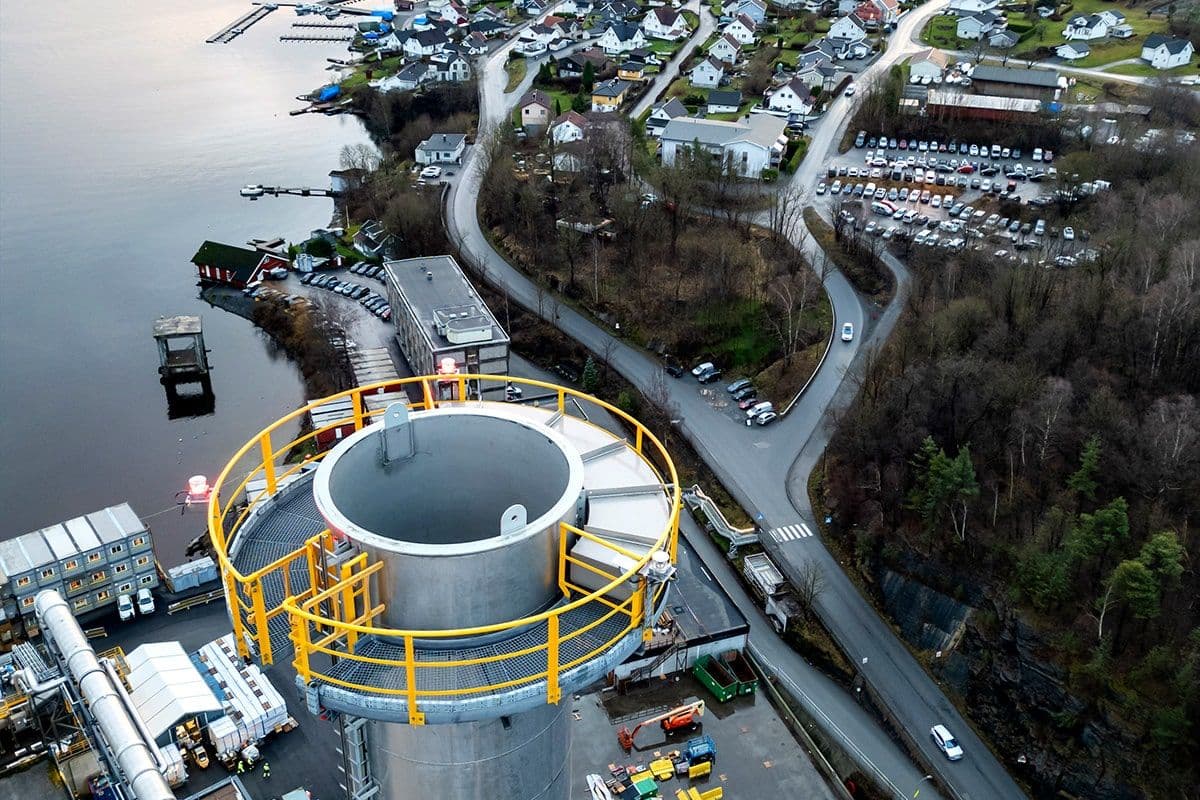
LG Chem and Enilive have started building Korea’s first Hydrotreated Vegetable Oil (HVO) and Sustainable Aviation Fuel (SAF) plant.
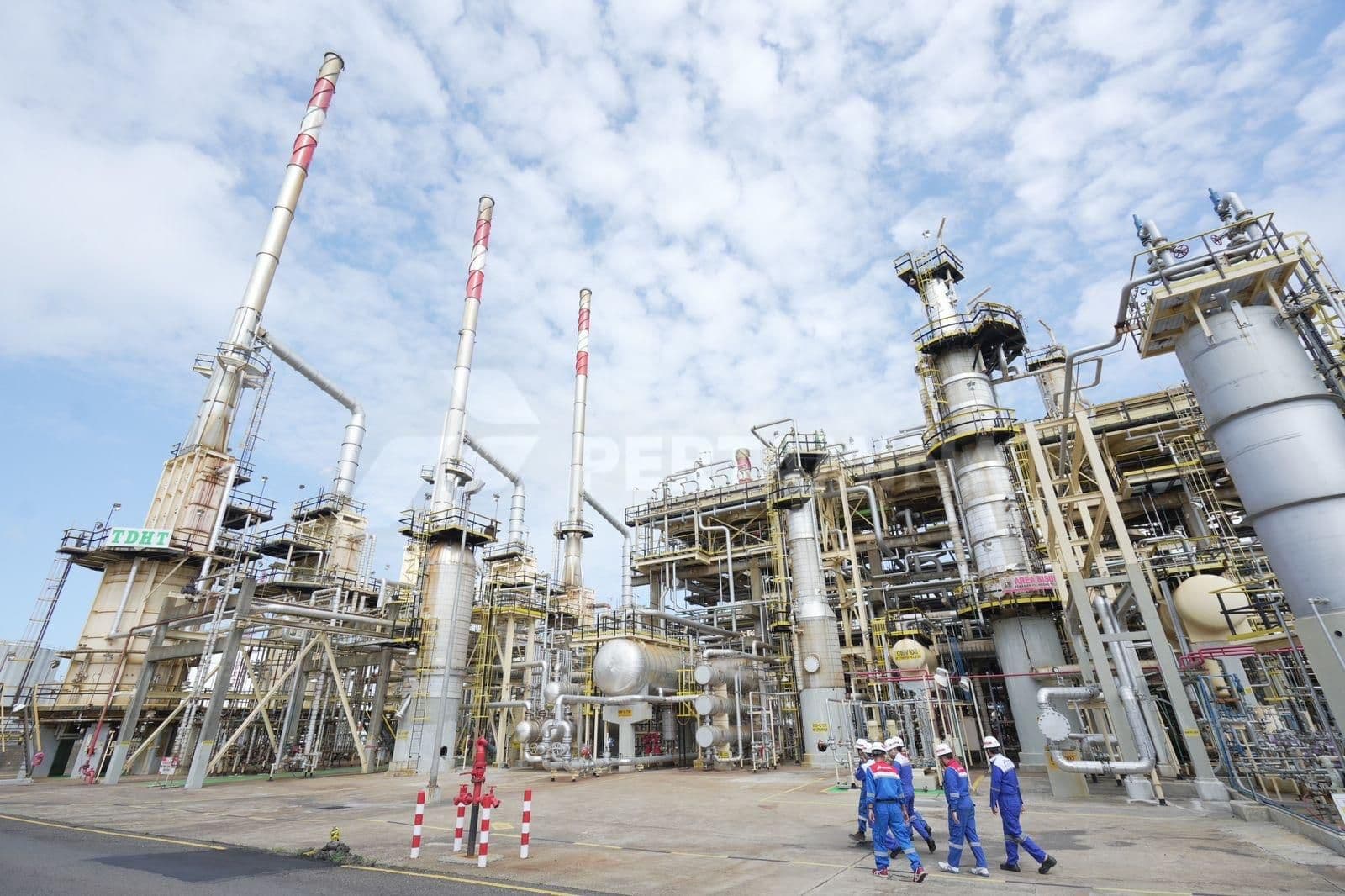
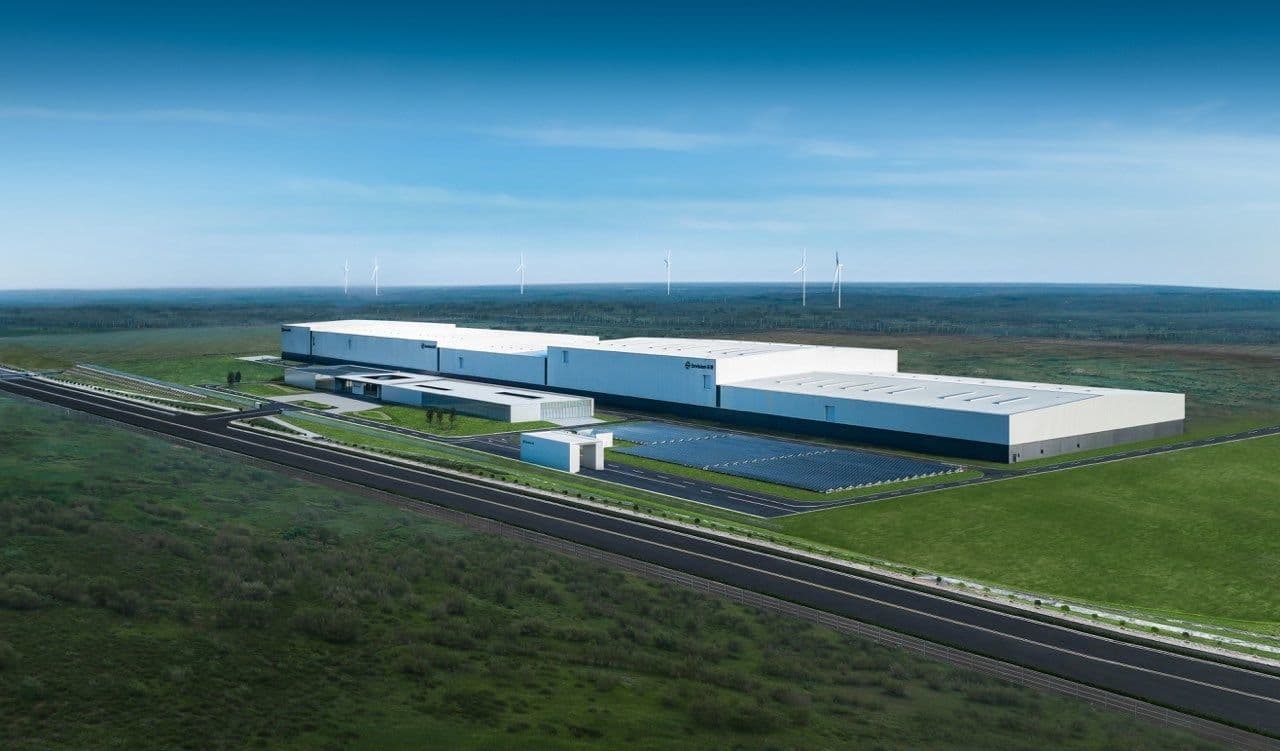
The facility is located in Daesan Chemical Complex in Seosan, about 80 km from Seoul. Operated under their joint venture, LG-Eni BioRefining, the plant is expected to be completed in 2027 and will process about 400,000 tonnes of renewable bio-feedstock each year.
The plant will produce HVO and SAF using Ecofining™ technology, which was developed by Eni and Honeywell UOP. These fuels are created by hydrogenating sustainable vegetable oils, used cooking oil (UCO), and other waste materials.
Read More: IATA Brings 2025 World Sustainability Symposium to Hong Kong
Compared to traditional fossil fuels, they result in much lower greenhouse gas (GHG) emissions across their entire production chain. This is important as global renewable fuel mandates are pushing demand for cleaner fuels in aviation and transport.
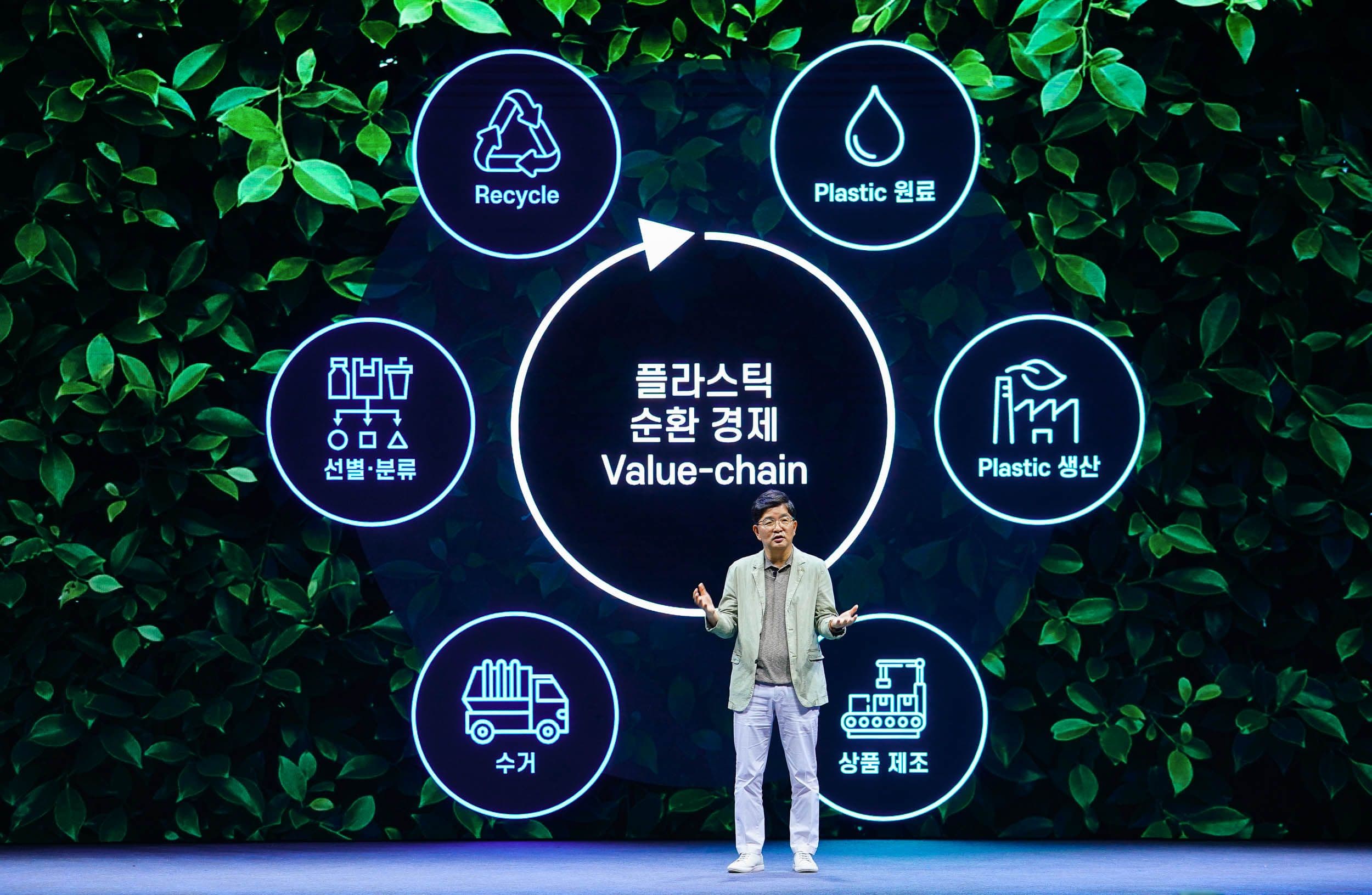
For LG Chem, this project is part of its broader shift toward a low-carbon business portfolio. By adding HVO into its supply chain, the company aims to cut carbon emissions and offer more ISCC PLUS-certified bio-circular balanced (BCB) products.
These bio-based materials will be used in electronics, automobiles, sporting goods, and hygiene products. Examples include Acrylonitrile Butadiene Styrene (ABS) for electronics and cars, Ethylene-Vinyl Acetate (EVA) for sports items, and Super Absorbent Polymers (SAP) for hygiene products.
For Enilive, the Seosan project supports its global strategy to expand biorefining capacity. The company already operates plants in Italy and the United States and is constructing new facilities in Italy and Malaysia. With these projects, Enilive aims to reach a production capacity of over 5 million tonnes of biofuels per year by 2030, including more than 2 million tons of SAF annually.
Also Read: Climate Technology: The Path to Net Zero and Sustainability
In essence, this new facility represents both Korea’s entry into sustainable aviation fuel production and a strategic step for LG Chem and Enilive in supporting the world’s transition to renewable energy and net-zero goals.
Ends/
Are you looking for the best sustainability or ESG reporting experts? We are here to help with our extensive network of ESG and sustainability providers, offering a wide choice of services.
Follow KnowESG's Technology News for regular news and views.
Check out our latest ESG Event updates
Source: LG Chem