UK: End to New North Sea Oil & Gas Exploration on the Cards

Highlights
- UK confirms ban on new North Sea oil and gas projects.
- Government forecasts North Sea oil production falling below 20 million tonnes by 2040, with phase-out by 2050.
- Investment in carbon capture and storage reaches £21.7bn.
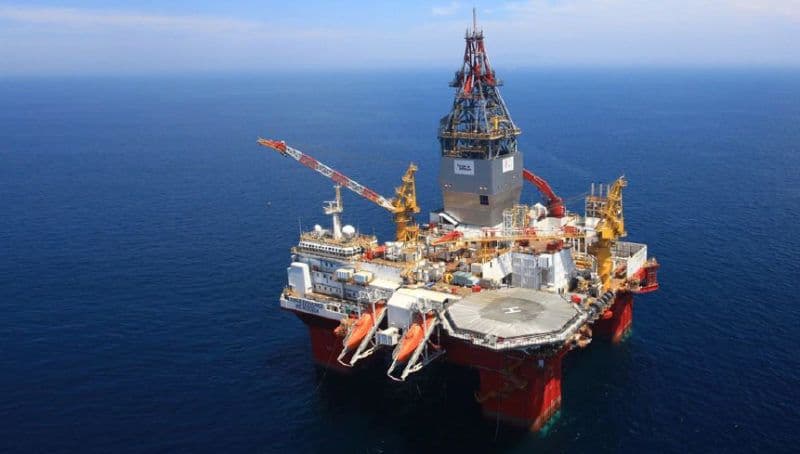
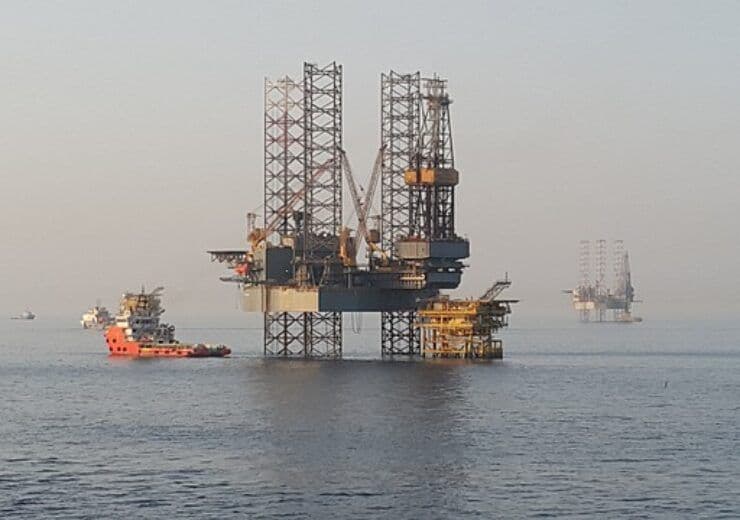
The UK government says talks are on to ban new North Sea oil and gas projects, a major step in its energy strategy.
The policy coincides with the autumn budget announcement, which aims to phase out new approvals for fossil fuel exploration while permitting developments linked to existing oil and gas fields.
This decision comes on the back of a broader political commitment and indicates the country’s effort to manage the decline of the North Sea energy sector responsibly.
Impact on North Sea oil and gas operations
The North Sea oil and gas industry, long dominated by Shell, BP, Equinor, Harbour Energy, and TotalEnergies, has faced declining production for over two decades. Production peaked in 2000 at 250 million tonnes of oil per year and has consistently fallen since.
Read More: TotalEnergies Grilled by Paris Court, Faces €20,000 ‘Greenwashing’ Fine
Government projections say that annual output could drop below 20 million tonnes by 2040, with a complete phase-out of production by 2050. Jobs in the sector have plummeted, with around a third lost in the last ten years, making economic planning for affected communities more important.
Managing existing fields
The government plans to manage the lifespan of operational fields carefully. Workers, trade unions, and industry stakeholders are involved in discussions to make sure that as the North Sea matures, opportunities in the energy sector evolve alongside.
Proposals suggest that the workforce could play a role in adapting infrastructure for renewable energy or carbon capture and storage projects, thereby offering continuity in employment and industrial expertise.
Also Read: Greenpeace Activists Mount Peaceful Protest at Greek LNG Facility
Transitioning North Sea assets to clean energy
Opportunities exist to convert oil and gas infrastructure into renewable energy sites, such as wind and solar projects.
The government has committed £21.7bn for carbon capture and storage (CCUS), which analysts suggest could attract £135bn in private investment by 2035.
CCUS technology, while debated by some climate scientists, aims to trap carbon emissions underground to reduce environmental impact. This investment underlines the UK’s plan to combine economic activity with environmental goals as production declines.
Renewable energy integration
Repurposing North Sea platforms for renewable projects could produce new jobs and extend the economic life of the region. By linking industrial expertise with cleaner energy solutions, the North Sea may act as a bridge between traditional energy production and the UK’s broader net zero ambitions.
See Also: World's largest Wind Farm Construction Begins in UK
Takeaway
The ban on new North Sea oil and gas projects shows a decisive change in the UK’s energy policy.
While existing projects continue, the focus shifts toward managing declining production, supporting workforce transitions, and investing in renewable infrastructure and CCUS.
With production expected to witness a sheer drop over the next two decades, the strategy balances economic and environmental priorities, as well as spotlights the North Sea’s role in the UK’s energy transformation.
***
Are you looking for expert guidance on sustainability for your business?
Explore our ESG solutions page, where you can connect with more than 1000 providers offering a broad range of sustainable services.
Stay up-to-date with regulatory developments through our Social & Governance News.