Target CEO Change: Michael Fiddelke Faces Tough Road After Brian Cornell’s Exit

Target has announced that Chief Executive Officer Brian Cornell will step down from his role in February 2026 after more than a decade of leadership. Cornell, who has guided the US retailer since 2014, will transition into the role of executive chairman. The decision marks the end of a chapter defined by both early success and recent struggles that have raised pressing questions about the company’s future.
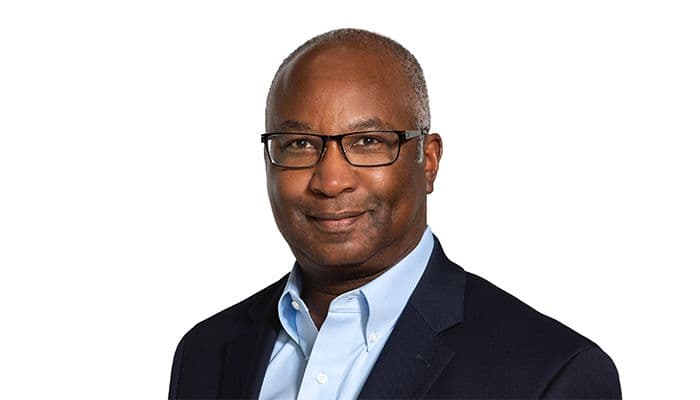
The board has appointed Michael Fiddelke, Target’s current Chief Operating Officer, as the new CEO. With two decades at the company, Fiddelke is seen as a steady hand at a time when Target faces declining sales, shareholder pressure, and a backlash over its retreat from Diversity, Equity, and Inclusion (DEI) initiatives.
Target’s Struggles With Sales Performance
Target has battled weak financial performance in recent quarters. In its second quarter of 2025, comparable sales decreased 1.9%, primarily due to a 3.2% decline at its physical stores. While online sales improved 4.3%, gross profit margins fell to 29%, compared to 30% in the same period last year.
“While we’re not pleased with the results, we’re encouraged by the improved performance as we go into the third quarter of the year,” Cornell shared with Yahoo Finance.
However, Wall Street was less optimistic. Following the leadership announcement, Target stock plunged 11%, reflecting investor unease about the company’s ability to navigate an increasingly competitive retail landscape dominated by discount chains and e-commerce giants.
Read More: US Companies Quietly Rebrand DEI as Backlash Grows
Outcry Over Target’s Scaling Back of DEI Efforts
Another challenge weighing heavily on Target has been its retreat from DEI initiatives. The company scaled back several diversity and inclusion programs, a move that provoked public criticism and consumer boycotts. The backlash was particularly strong among Black communities, and even members of the founding Dayton family expressed concern that the retailer was undermining its long-standing values.
The rollback has damaged Target’s reputation and further eroded customer confidence, a critical blow at a time when the company is struggling to hold on to market share.
Brian Cornell’s Legacy
When Cornell took the helm in 2014, Target required revitalization. He invested heavily in store remodels, strengthened the retailer’s digital infrastructure, and launched popular private-label brands that resonated with shoppers. By 2021, Target had exceeded $100 billion in annual revenue and was widely viewed as a success story in American retail.
Yet, recent years have overshadowed those achievements. Declining sales, controversies over DEI, and increasing competition have left Cornell’s final chapter more complicated than his celebrated start.
Michael Fiddelke: The New CEO
Incoming CEO Michael Fiddelke has served in key roles across finance, merchandising, operations, and human resources. His appointment signals continuity, but he faces immense pressure to reset Target’s course. Fiddelke has already outlined priorities: Restoring merchandising appeal, improving the in-store experience, and boosting investment in digital and technology to stay competitive.
Also Read: Corporate Boards Split on DEI, Climate, and AI Issues
Challenges Ahead
Fiddelke inherits a company at a critical juncture. To succeed, he must reverse revenue declines, rebuild consumer trust lost during the DEI controversy, and reassure wary investors. At the same time, Target faces intensifying price wars and relentless competition from rivals determined to capture value-driven shoppers.
The question now is whether Fiddelke can steady the brand and recapture the momentum that once made Target one of the most admired names in US retail.
Follow more news and views via our Social Governance and Featured Articles sections, and stay updated on the top ESG events to attend in 2025 for industry insights and networking.
Source: International Business Times