State AGs Challenge Climate Cartel, Cite Antitrust and Consumer Protection Risks

Takeaways
- Twenty-three U.S. state Attorneys General are targeting international climate organizations like SBTi and CDP, raising antitrust and consumer protection concerns.
- The AGs argue that net-zero programs are harmful to U.S. agriculture and industry, and may violate antitrust and consumer protection laws.
- This move reflects a broader legal and political trend of heightened scrutiny against ESG commitments, climate alliances, and financial institutions.
On August 8, 2025, Attorneys General from 23 Republican-led U.S. states sent a letter to the Science-Based Targets initiative (SBTi), a U.K.-based nonprofit that sets climate standards for businesses and investors. The AGs raised alarm over what they called the “climate cartel,” suggesting that SBTi and related organizations, including CDP (formerly the Carbon Disclosure Project), may be violating antitrust and consumer protection laws.
The action follows a subpoena earlier this year from Florida Attorney General James Uthmeier, who launched an investigation into SBTi and CDP. His office alleged that the organizations, which promote ESG initiatives and net-zero emissions targets, may be colluding with financial institutions in ways that could restrict competition and harm U.S. industries.
Read More: What is Climate Doomism and How To Fight Eco-Anxiety That Comes With It
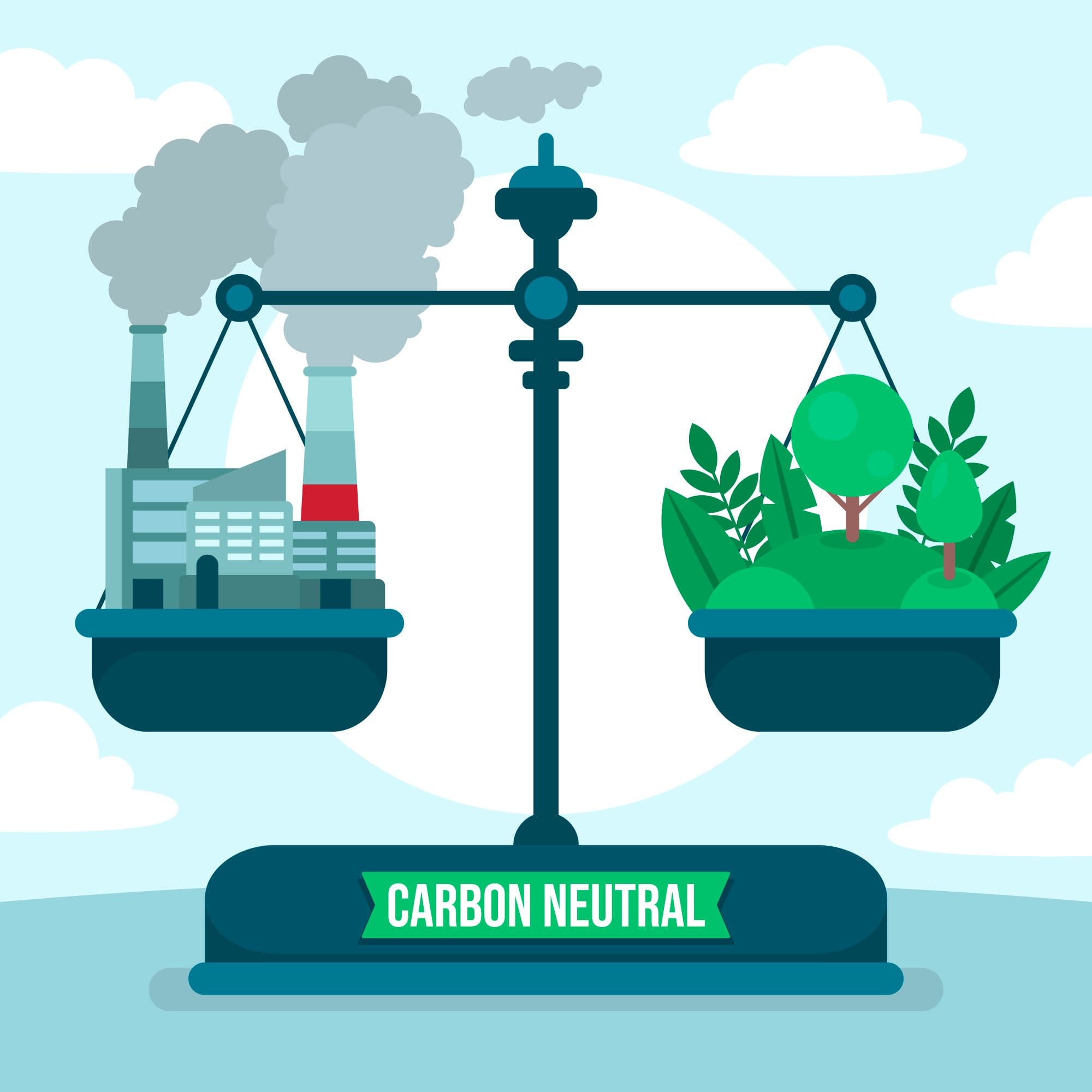
Both SBTi and CDP are central players in global climate accountability efforts. SBTi helps companies set and verify targets to achieve net-zero emissions by 2050, while CDP runs one of the world’s largest disclosure platforms for environmental data. Nearly 23,000 companies, along with governments and local authorities worldwide, report climate-related information through CDP.
The AGs’ August 8 letter claimed that net-zero programs are “unrealistic” and harmful to American agriculture and industry. They warned that commitments to these programs could amount to unlawful agreements that pressure companies to adopt environmental goals at the expense of competition and consumer choice. The letter also demanded documents related to SBTi’s membership, funding, and internal policies, signaling possible investigations across multiple states.
This marks the latest expansion of state-level scrutiny of ESG practices. Earlier, Missouri Attorney General Andrew Bailey launched a probe into proxy advisory firms over alleged consumer protection violations tied to ESG recommendations. Similarly, in January 2025, a coalition of 11 states led by Texas cautioned financial institutions that their environmental commitments could breach legal and fiduciary obligations.
Federal courts have also weighed in. On August 1, 2025, the Eastern District of Texas allowed 13 states to move forward with a case accusing institutional investors of violating the Sherman Act and Clayton Act by allegedly conspiring to reduce coal production.
Also Read: The Growing Need for ESG Companies, Sustainability, and Climate Solutions
The developments highlight growing legal risks for companies and organizations with ESG-related commitments. With state AGs and courts intensifying scrutiny, climate alliances and financial institutions promoting net-zero strategies may face mounting pressure to defend their practices.
Follow more news and views via our Social Governance and Featured Articles sections, and stay updated on the top ESG events to attend in 2025 for industry insights and networking.
Source: Crowell