Orbia 2025 Impact Report Signals Resilience Through Sustainability

Takeaways
- Orbia Advance Corporation released its 2025 Impact Report, highlighting sustainability-led strategies that strengthened resilience and long-term value creation.
- The company reported major progress on emissions reductions, waste management, and sustainable product innovation across its global business groups.
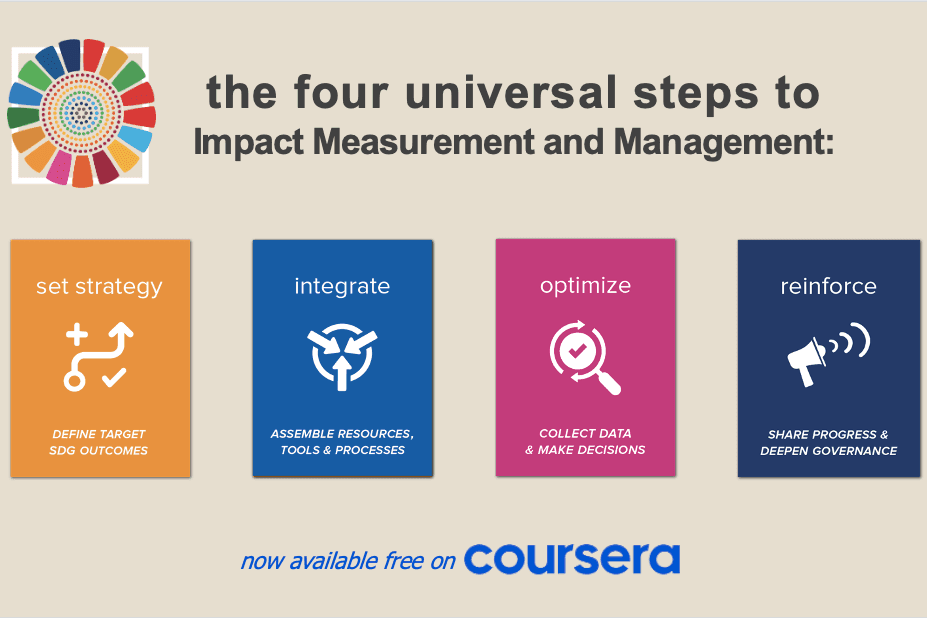
- Sustainability-driven initiatives contributed to 68% of Orbia’s revenue, aligned with the UN Sustainable Development Goals, reinforcing the company’s long-term strategy.
Orbia Advance Corporation has published its 2025 Impact Report, outlining how sustainability-driven initiatives helped the company strengthen operational resilience and generate long-term value. The report marks the company’s 17th annual sustainability and performance update, detailing progress across environmental targets, innovation investments, and strategic business initiatives.
Chief Executive Officer Sameer Bharadwaj said the company’s long-term strategy focuses on integrating sustainability into its core operations while maintaining financial discipline.
“Over more than 70 years, Orbia has evolved into a global, purpose-driven company built to perform across decades,” Bharadwaj said. “In 2025, we made deliberate choices to sharpen our portfolio, reinforce financial discipline, and embed sustainability deeper into our operations and solutions.”
Read More: ESG Trends: Annual Outlooks, Regulations, and Developments
Sustainability as an Operational Strategy
The report highlights how sustainability has become a key operational discipline for Orbia, helping the company improve efficiency, reduce risks, and strengthen competitiveness across its global footprint.
Among the key environmental milestones reported in 2025:
- 90% of manufacturing sites achieved zero waste to landfill.
- Sulfur oxide emissions dropped by 87% compared with a 2018 baseline, exceeding the company’s initial target.
- The company progressed toward its 2030 emissions targets, cutting Scope 1 and Scope 2 emissions by 28% and Scope 3 emissions by 31% compared with 2019 levels.
- 68% of revenue directly contributed to the United Nations Sustainable Development Goals, reflecting sustainability’s integration into the business model.
These improvements also helped Orbia meet the requirements tied to its 2021 sustainability-linked bond.
Business Units Driving Sustainable Innovation
Orbia’s five business groups reported progress in circularity, decarbonization, and innovation initiatives aligned with evolving market demands.
In Polymer Solutions, the company introduced new low-carbon materials such as the MEGOLON™ ECO product line and expanded sales of sustainable PVC resins.
The Building & Infrastructure division launched circular infrastructure products, including Tegra 600 LC, a low-carbon inspection chamber designed for stormwater and wastewater systems. The product contains up to 70% recycled material, requires 50% less production energy, and is engineered for a 100-year lifespan.
Through its Precision Agriculture business, Orbia expanded GrowSphere™, a digital operating system designed to optimize irrigation. The platform helps farmers reduce water and nutrient use while improving crop yield resilience.
In Connectivity Solutions, the company deployed nearly 1,000 miles of broadband infrastructure using microtrenching and armored conduit technology, helping accelerate connectivity while minimizing environmental disruption.
Meanwhile, the Fluor & Energy Materials division began constructing a facility to produce Zephex® 152a, a low global warming potential medical propellant, and expanded electrolyte production capacity to support North American battery supply chains.
Investing in Innovation and Communities
Innovation remained a key growth driver for Orbia in 2025. The company invested more than $70 million in research and development, with over 10% of its annual revenue generated from new products and services.
Orbia also expanded employee engagement and community initiatives. Through its Time4Water campaign, more than 2,500 employees in 31 countries volunteered to support watershed restoration, water access, and local climate resilience efforts.
According to Tania Rabasa Kovacs, sustainability has become a strategic advantage during periods of market disruption.
“By embedding decarbonization, water stewardship, and circularity into operational decision-making, we are unlocking efficiency, accelerating innovation, and scaling solutions that help our customers navigate complex regulatory and market transitions. This is how we strengthen resilience and generate durable returns while we advance life around the world,” she said.
Also Read: Most EU Firms Follow ESG Reporting Rule; 65% Use it Strategically
External Recognition for Sustainability
Orbia’s sustainability efforts also received external recognition in 2025. The company retained its EcoVadis Silver Medal rating from EcoVadis and was included in several global sustainability benchmarks.
These include the Dow Jones Best-in-Class MILA Pacific Alliance Index, the S&P Global Sustainability Yearbook, the FTSE4Good Index, and the Mexican Stock Exchange ESG Index.
Follow more news and views via our Social & Governance and Featured Articles sections, and stay updated on the top ESG events to attend in 2026 for industry insights and networking.
If you're looking for suitable ESG and Sustainability providers to share customized solutions specific to your business needs, you can check out KnowESG's Solutions page.
If you are an ESG provider looking to get your organization listed on our portal, visit this page.
Source: businesswire