Kantar Explains How Circular Economy Strategies Are Shaping ESG

Takeaways
- Kantar is helping brands turn ESG ambitions into practical action by integrating circular design and consumer insight into business strategy.
- Consumer behavior, not just infrastructure or regulation, is critical to scaling reuse, repair, and recycling models.
- Clear communication and brand storytelling can make circular choices easier, more attractive, and commercially viable.
Global insight and consulting firm Kantar is sharpening its focus on sustainable innovation, using brand strategy, data, and behavioral insight to help businesses meet environmental, social, and governance (ESG) goals. In a Q&A with Sustainability Magazine, Emily Hill, Director in Kantar’s Global Sustainable Transformation Practice, explains how circular economy thinking is shaping the company’s work with leading brands worldwide.
Hill leads Kantar’s sustainable innovation agenda, helping organizations design products, services, and communications that encourage more sustainable behaviors while delivering long-term business value. With experience spanning brand strategy, insight, and innovation, she brings a holistic view to the challenge of moving from linear to circular models.
What Does Circularity Mean in Practice?
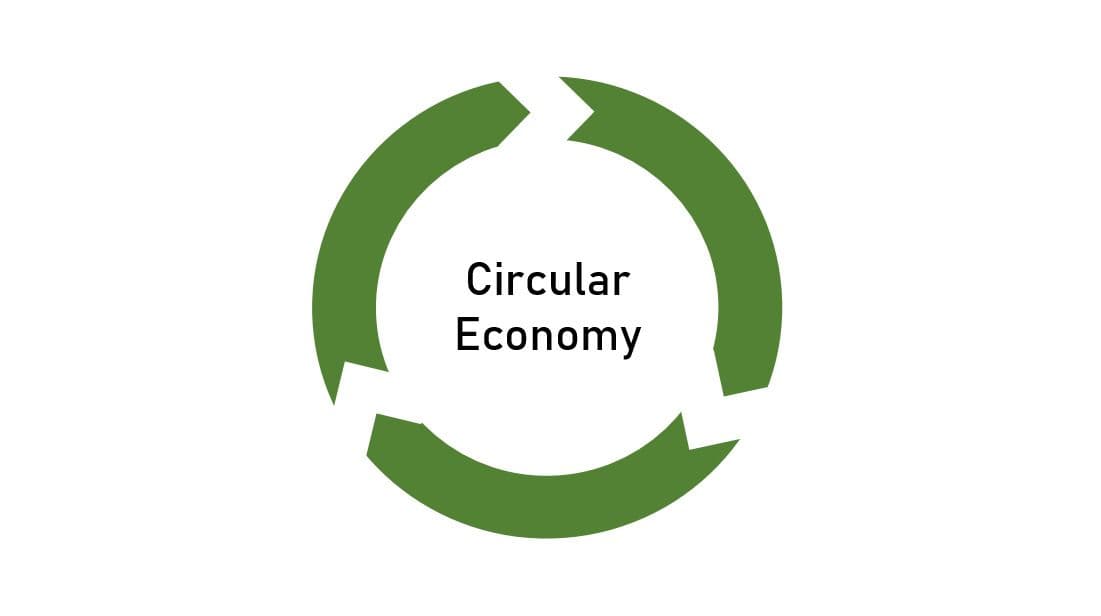
Circularity is an alternative to the traditional “take-make-waste” model. In a circular economy, resources are kept in use for as long as possible, often through reuse, repair, recycling, and remanufacturing. The goal is to preserve natural capital, optimize resource use, and reduce negative environmental impacts such as pollution.
At Kantar, circularity is incorporated through its work with 965 of the world’s leading brands. The company combines consumer insight with commercial and sustainability expertise to help clients design offerings that support reuse and recycling while aligning with ESG commitments. Understanding how people think, feel, and behave is central to ensuring circular solutions work in the real world.
Read More: 8 Circular Economy & Waste Management Solutions Transforming Sustainability
What Is Holding Circularity Back?
One of the biggest barriers is product design. Many goods, particularly electronics, are still created for limited use rather than easy disassembly or reuse. Supply chains also face resistance to change, with many suppliers lacking a clear view of their environmental impact.
Regulation is adding pressure. The EU’s Packaging and Packaging Waste Regulation (PPWR), which comes into force in 2025 and applies from 2026, aims to cut waste, boost recycling, and reduce raw material use. These changes demand a cultural shift in how products are designed and consumed, alongside stronger collaboration across value chains.
Why Are Consumers So Important?
Circular business models depend on consumer participation. Reuse, repair, rental, and resale only work if people are willing to engage. While many consumers want to make more sustainable choices, brands must make those choices simple, convenient, and appealing.
Without consumer buy-in, circular initiatives risk staying small-scale. With it, brands can unlock new revenue streams, build loyalty, and stand out in competitive markets. Marketing and storytelling play a key role in normalizing circular behaviours.
How Can Awareness Be Improved?
Education is essential. Brands need to clearly explain why circularity matters, highlighting environmental, social, and economic benefits. Circular products must also offer clear value, whether through cost savings, convenience, or a better experience.
Also Read: The Future of Sustainable Packaging: Embracing Eco-Friendly Solutions
Kantar supports this shift through thought leadership and partnerships with organizations such as the Ellen MacArthur Foundation and the World Federation of Advertisers, helping advance shared learning across industries.
Follow more news and views via our Social & Governance and Featured Articles sections, and stay updated on the top ESG events to attend in 2025 for industry insights and networking.
If you're looking for suitable ESG and Sustainability providers to share customized solutions specific to your business needs, you can check out KnowESG's Solutions page.
If you are an ESG provider looking to get your organization listed on our portal, visit this page.
Source: SustainabilityMAGAZINE