Amid DEI Battles, Black Teachers Face Growing Uncertainty

Takeaways
- As debates over DEI in schools grow, many Black teachers say they feel uncertain about what they can teach and whether they will be supported.
- Black educators face added pressure from workplace isolation, underfunded schools, and financial strain.
- Experts warn that losing Black teachers could hurt students and weaken diversity in the teaching workforce.
As discussions around diversity, equity, and inclusion (DEI) intensify across the United States, many educators say they are facing confusion and concern inside their classrooms. For Black teachers, the debate is not just political; it is deeply personal and professional.
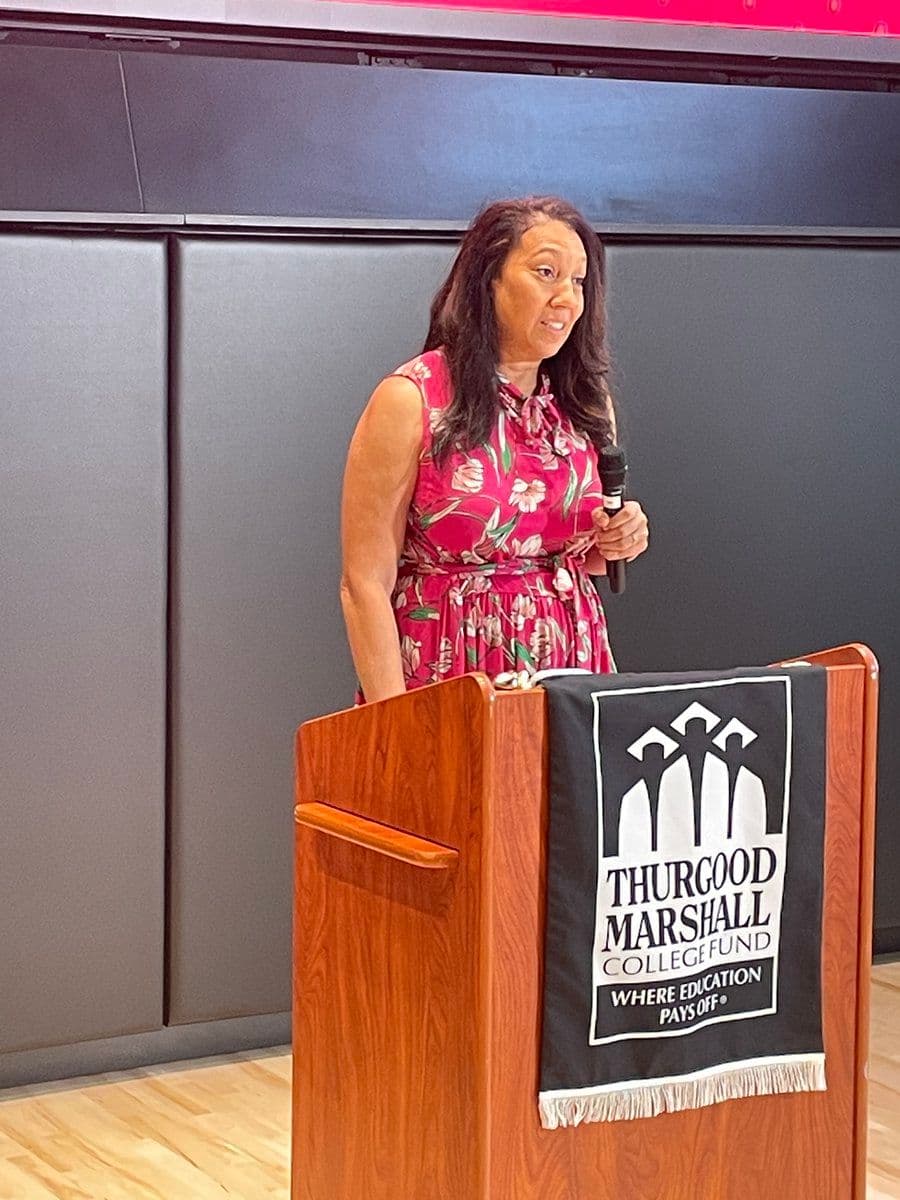
Becky Pringle, president of the National Education Association, says educators across the country are asking the same question: What are they allowed to teach?
Pringle, a former middle school science teacher with 31 years of experience, now represents more than 3 million educators. She says shifting federal and state guidance on DEI policies has created uncertainty in many school districts. Teachers are unsure whether lessons about race, inequality, and Black history will be supported or challenged.
Read More: DEI in ESG: Diversity, Equity & Inclusion Meaning & Reporting
During the past year, the Trump administration has taken steps to roll back DEI initiatives in federal agencies and higher education. In Washington, D.C., Black Lives Matter Plaza was dismantled, and changes were made to some public historical content. The U.S. Department of Education also sent a “Dear Colleague” letter advising schools against teaching DEI-related content, though that guidance was later withdrawn.
Even in districts where no formal rules have changed, teachers say the tone of the national conversation has had an impact. Pringle argues that efforts to limit discussions about race amount to attempts to erase parts of American history. She says students need to understand both Black history and how it shapes current events.
For many Black educators, the current moment adds to long-standing challenges in the profession.
Pringle points to three major issues: Isolation, underfunded schools, and financial strain.
First, many Black teachers work in schools where they are one of only a few, sometimes the only Black staff member. This isolation can affect whether they feel supported. Without that support, some decide to leave the profession.
Second, Black educators are more likely to teach in historically underfunded schools. Larger class sizes, limited materials, and staffing shortages increase stress and burnout. These resource gaps in schools make it harder to meet students’ needs.
Third, financial pressures remain a major concern. Teachers’ salaries have long been criticized as insufficient, and many Black educators carry significant student loan debt. Pringle says recent changes to student loan forgiveness programs have added to that burden.
These challenges come at a time when schools are already struggling with a nationwide teacher retention problem. Research shows that students benefit academically and socially from having at least one teacher who shares their racial background. Exposure to a Black teacher has been linked to higher graduation rates and greater interest in college.
If fewer Black teachers enter or remain in the profession, experts warn that students could lose access to the benefits of a more diverse teaching workforce.
For Pringle, the debate over DEI in schools is ultimately about educational opportunity. She believes public education should reflect the full history and diversity of the country, and that teachers should feel secure in delivering an inclusive education.
Also Read: Time to Recommit to DEI: Brands Must Lead with Purpose
As schools continue to debate curriculum and DEI policies, many Black teachers are left weighing an important question: Can they continue in a profession where they feel increasingly uncertain about their role and support?
Follow more news and views via our Social & Governance and Featured Articles sections, and stay updated on the top ESG events to attend in 2026 for industry insights and networking.
If you're looking for suitable ESG and Sustainability providers to share customized solutions specific to your business needs, you can check out KnowESG's Solutions page.
If you are an ESG provider looking to get your organization listed on our portal, visit this page.
Source: THE WASHINGTON Informer