EU Carbon Border Levy: Bloc Tightens Rules to Limit Suspension of Import Fee

Takeaways
- EU tightens rules on suspending its carbon border fee on imports
- Suspension allowed only under strict price surge conditions
- Policy aims to boost investor certainty and support low-carbon trade
The European Union has agreed to tighten the conditions under which it can suspend its carbon emissions fee on imported goods, in a move designed to strengthen long-term policy stability and support green investment across the bloc.
EU economy ministers backed the proposal on Friday, with majority support, although countries such as Slovakia, Romania, and Lithuania did not endorse the plan. The decision marks a step toward making the EU’s carbon border levy more predictable for businesses and investors.
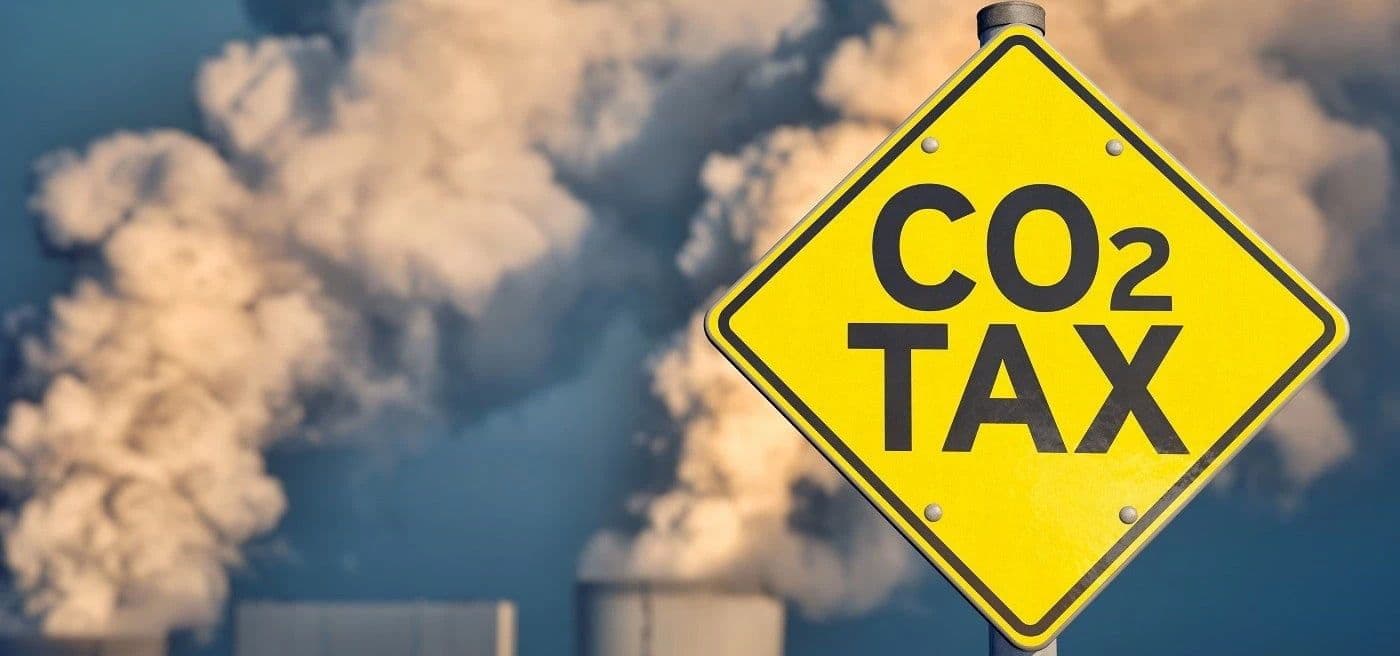
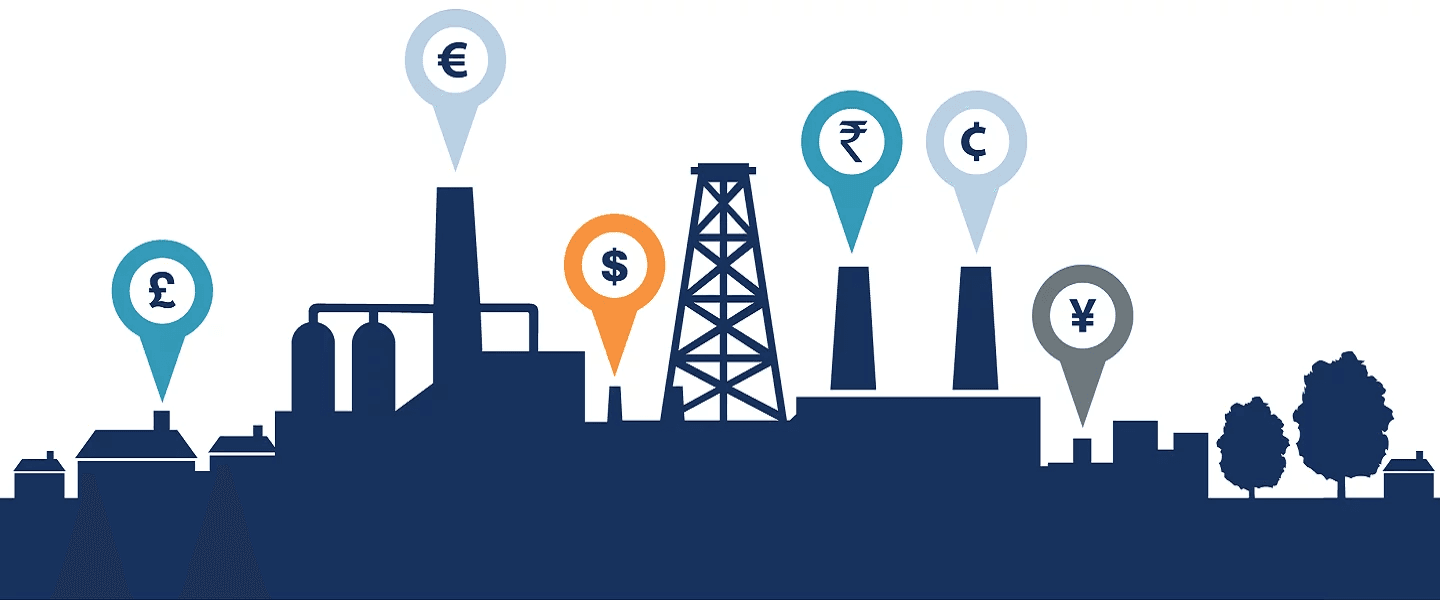
The policy in question is the EU’s carbon border adjustment mechanism, commonly known as the carbon border levy. It places a fee on the emissions linked to imported goods such as steel, cement, and fertilizers. The aim is to prevent European industries from being disadvantaged by cheaper imports produced with higher carbon emissions.
Read More: Sustainability Policy Split Widens Between U.S. and EU in 2025
Under earlier proposals from the European Commission, the levy could be suspended if “serious and unforeseen circumstances” led to higher prices. However, several governments and industry groups argued that such a broad clause created uncertainty. They warned that low-carbon investments in sectors like steel and cement depend on stable rules and consistent carbon pricing.
To address these concerns, EU countries have now agreed that any suspension of the carbon border levy would require strict conditions. According to a draft agreement seen by Reuters, the European Commission could only propose a suspension if specific criteria are met, including a situation where the price of a covered product rises by more than 50% over six months compared with its average level over the past decade.
This change is intended to reduce ambiguity and ensure that the carbon border adjustment mechanism remains a reliable framework for long-term investment decisions. Supporters argue that clearer rules will help companies transition toward cleaner production without fearing sudden policy reversals.
Despite the agreement, negotiations are not yet complete. EU member states and lawmakers will now work on finalizing the rules, and the European Parliament is expected to push for further restrictions, with some lawmakers advocating for removing the suspension clause entirely.
The debate has also been influenced by recent geopolitical and economic developments. France, for instance, had pushed for flexibility in response to rising costs linked to the Iran war, including a temporary suspension of carbon charges on fertilizer imports to ease pressure on farmers. However, it ultimately supported the compromise after securing concessions related to French overseas territories such as Guadeloupe and Martinique, where cement imports could be exempted during natural disasters or emergencies.
Also Read: What's New in ESG Regulations for 2026: Your Compliance Decision Guide
Once finalized, the policy is also expected to expand the scope of the carbon border levy. Products such as washing machines and car parts are likely to be added to the list of goods covered, further extending the EU’s carbon pricing framework into new industrial sectors.
Follow more news and views via our Reporting & Standards and Featured Articles sections, and stay updated on the top ESG events to attend in 2026 for industry insights and networking.
If you're looking for suitable ESG and Sustainability providers to share customized solutions specific to your business needs, you can check out KnowESG's Solutions page.
If you are an ESG provider looking to get your organization listed on our portal, visit this page.
Source: Reuters
Get the ESG Brief in your inbox
One concise email a week — the ratings moves, regulation deadlines, and vetted solutions that matter. Trusted by sustainability and finance teams.
No spam · unsubscribe anytime.