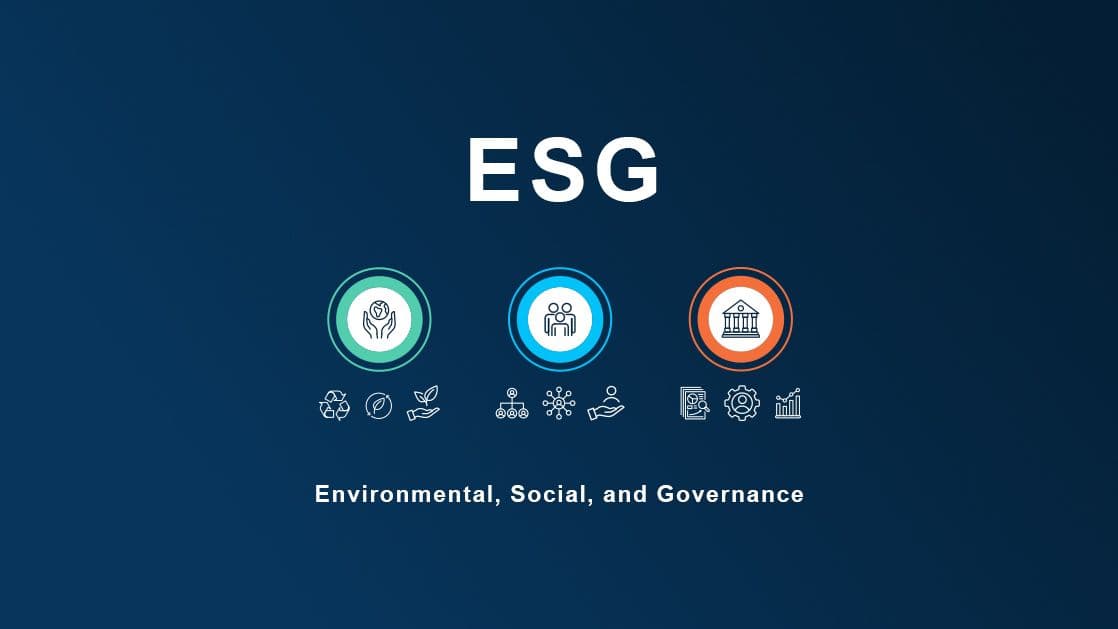
Environmental Social and Governance Policy Guide for 2025

In 2025, the demand for strong environmental, social, and governance policy is reshaping the way organizations operate. Stakeholders expect more than promises; they want action, transparency, and measurable impact.
This comprehensive guide serves as a roadmap for leaders, sustainability officers, and compliance teams to develop and execute effective policies that meet global standards. You will discover the latest trends, regulatory changes, and proven steps for building ESG strategies that drive value and trust.
Explore how to navigate evolving regulations, engage stakeholders, align with reporting frameworks, and learn from real-world successes. Let’s equip your organization to lead with confidence and responsibility in the new era of ESG.
The Evolving ESG Landscape in 2025
The landscape for environmental, social, and governance policy is undergoing rapid transformation as we enter 2025. No longer a peripheral concern, ESG has become central to corporate strategy, risk management, and value creation. Companies are now expected to integrate ESG principles into every layer of their organization to meet the demands of investors, regulators, and society at large.
Global trends are driving this shift. Climate risk has moved to the forefront, with extreme weather events and decarbonization efforts influencing investment decisions. Social equity issues, including diversity, equity, and inclusion, are now boardroom priorities. Transparent governance is essential, as companies face growing scrutiny over ethical conduct and executive accountability.
Regulatory updates for 2025 are accelerating the adoption of robust environmental, social, and governance policy frameworks. In the European Union, the Corporate Sustainability Reporting Directive (CSRD) mandates comprehensive ESG disclosures for thousands of companies. In the United States, the Securities and Exchange Commission (SEC) is finalizing rules requiring climate-related risk disclosures. Globally, the IFRS Sustainability Disclosure Standards are becoming the baseline for consistent reporting.
Here is a summary of major regulatory developments for 2025:
- European Union
- Regulation/Standard: CSRD
- Key Focus Areas: Broad ESG disclosures, third-party audit
- United States
- Regulation/Standard: SEC Climate Rules
- Key Focus Areas: Climate risk, GHG emissions, scenario analysis
- Global
- Regulation/Standard: IFRS Sustainability Standards
- Key Focus Areas: Universal ESG metrics, comparability
Stakeholder expectations are also rising. According to MSCI (2024), 89% of investors now consider ESG factors when making investment decisions. Consumers demand transparency and responsible practices, while employees seek purpose-driven workplaces. Regulators are enforcing stricter standards, and non-compliance can result in reputational and financial consequences.
One of the most significant developments is the rise of ESG ratings. These ratings act as benchmarks for corporate performance, influencing access to capital and shaping public perception. Organizations with strong ESG ratings often secure lower borrowing costs and attract long-term investors. For a deeper understanding of how these ratings impact company performance, see ESG ratings as performance benchmarks.
Real-world results highlight the importance of a comprehensive environmental, social, and governance policy. Companies with high ESG ratings have consistently outperformed their peers in terms of resilience and market value, especially during times of crisis. This trend shows that ESG excellence is about compliance and about building sustainable competitive advantage.
However, challenges remain. Organizations face hurdles such as the following:
- Greenwashing, where misleading claims undermine trust
- Inconsistent ESG data and reporting standards across regions
- Evolving frameworks that require continuous adaptation
Navigating these complexities demands a proactive and strategic approach to environmental, social, and governance policy. Organizations must invest in powerful systems, stakeholder engagement, and transparent reporting to stay ahead in 2025. The evolving ESG landscape rewards those who lead with integrity, innovation, and measurable impact.
At KnowESG, we offer ESG and Sustainability Solutions that help organizations stay compliant with CSRD, SEC climate rules, and global ESG reporting frameworks.
Key Components of an Effective ESG Policy
An effective environmental, social, and governance policy is the cornerstone of modern corporate responsibility. Strong ESG policies address the most pressing global challenges while building trust with stakeholders. To succeed, organizations must create a policy that is both comprehensive and actionable, covering environmental, social, and governance priorities with measurable impact.
Environmental Pillar
A robust environmental, social, and governance policy starts with clear strategies for environmental stewardship. This includes:
- Climate risk management, focusing on identifying and mitigating climate-related threats
- Emissions reduction, setting targets to lower greenhouse gas outputs
- Resource efficiency, optimizing energy, water, and materials usage
- Biodiversity protection, supporting nature-positive operations
- Waste management, prioritizing circularity and reduced landfill.
For each area, organizations should identify risks and opportunities unique to their sector.
Social Pillar
The social dimension of an environmental, social, and governance policy ensures organizations champion people and communities. Key components involve:
- Diversity, equity, and inclusion (DEI), fostering fair representation and opportunity.
- Labor rights, upholding safe, respectful, and lawful work conditions.
- Community engagement, investing in positive local impact.
- Health and safety, prioritizing employee and stakeholder well-being.
Incorporating these values into daily operations helps companies stand out as ethical employers and partners.
Governance Pillar
Governance is the backbone of any environmental, social, and governance policy. Effective governance includes:
- Board diversity, ensuring varied perspectives at the highest level.
- Anti-corruption, establishing strong ethical guidelines, and enforcement.
- Executive pay, aligning incentives with ESG goals.
- Ethics and compliance, maintaining transparency and legal adherence.
Clear structures and accountability mechanisms support consistent, responsible decision-making.
Materiality Assessment and Goal Setting
A successful environmental, social, and governance policy requires a materiality assessment to identify which ESG issues matter most to stakeholders and the business. Companies should do the following:
- Engage with stakeholders to gather insights.
- Use tools like the SASB Materiality Map overview to prioritize sector-relevant topics.
- Set measurable, time-bound goals and KPIs for each ESG pillar.
This approach ensures resources are focused on the most significant impacts.
Integration, Real-World Example, and Stat
Integrating ESG into the corporate mission and values is vital for lasting change. Unilever, for example, has set science-based emissions targets and comprehensive DEI initiatives, weaving ESG into every business function. According to PwC, 73% of consumers now prefer companies with clear ESG commitments, showing that a well-crafted environmental, social, and governance policy drives both reputation and long-term value.
Step-by-Step Guide to Developing an ESG Policy in 2025
Developing a comprehensive environmental, social, and governance policy in 2025 requires a clear, methodical approach. The following step-by-step guide will help your organization build a policy that meets stakeholder expectations, aligns with regulations, and integrates seamlessly into your business.
Step 1: Conduct an ESG Baseline Assessment
Start by evaluating your organization's current ESG practices. Gather data on environmental, social, and governance activities across departments. Compare your performance against industry peers and established standards.
Identify gaps and risks in your existing operations. Use internal audits, sustainability reports, and benchmarking tools to assess where your organization stands. This foundation allows you to set realistic goals for your environmental, social, and governance policy.
For those new to ESG, consider exploring an ESG policy fundamentals course to build essential knowledge before moving forward.
Step 2: Engage Stakeholders Early
Effective environmental, social, and governance policy development depends on early and meaningful stakeholder engagement. Map out all relevant parties, including employees, investors, suppliers, and local communities.
Use surveys, interviews, and workshops to gather insights and expectations. This collaborative approach ensures your policy reflects the concerns and values of those most affected. By integrating feedback, you build trust and foster long-term support for your ESG initiatives.
Step 3: Define ESG Objectives and Material Topics
With stakeholder input, prioritize the ESG issues most relevant to your organization. Conduct a materiality assessment to identify the topics that are significant to both your business and stakeholders.
Set clear short-, medium-, and long-term objectives for your environmental, social, and governance policy. Align these objectives with your overall business strategy. Focusing on material topics ensures your policy drives meaningful impact and resource allocation.
Step 4: Develop Policy Framework and Governance Structure
Draft policy statements for each ESG pillar: Environmental, social, and governance. Establish a governance structure by appointing responsible teams, such as an ESG committee or executive sponsor.
Define accountability and reporting lines to ensure policy ownership. A well-structured framework supports the effective implementation of your environmental, social, and governance policy and promotes transparency throughout the organization.
Step 5: Integrate ESG into Business Operations
Embed your ESG objectives into daily business operations, including supply chain and procurement processes. Update procurement policies to reflect ESG standards and work with suppliers who share your values.
Integrating the environmental, social, and governance policy into core business activities drives real change. It also signals to external partners that your ESG commitments are serious and actionable.
Step 6: Set Metrics, Targets, and Monitoring Systems
Define measurable KPIs for each ESG pillar. Establish data collection methods to monitor progress in real time. Adopt digital tools to streamline reporting and ensure data accuracy.
Setting clear targets for your environmental, social, and governance policy allows you to track performance and adjust strategies as needed. Regular monitoring supports continuous improvement and demonstrates accountability to stakeholders.
Step 7: Communicate and Train
Develop training programs to educate employees on ESG principles and your new policy. Regular communication ensures everyone understands their role in achieving ESG objectives.
Share progress updates with both internal and external stakeholders. Transparent reporting on your environmental, social, and governance policy builds credibility and encourages ongoing engagement. Well-informed employees become ambassadors for your ESG efforts.
ESG Reporting, Disclosure, and Compliance in 2025

Transparent ESG reporting is the backbone of a successful environmental, social, and governance policy. In 2025, regulatory expectations are at an all-time high, pushing organizations to deliver clear, accurate, and timely ESG disclosures. Companies face increased scrutiny from investors and regulators and must meet the demands of consumers and employees who expect authentic accountability.
The regulatory landscape is evolving rapidly. The European Union’s Corporate Sustainability Reporting Directive (CSRD) expands mandatory ESG reporting, while the US Securities and Exchange Commission (SEC) has introduced new climate-related disclosure rules. The IFRS Sustainability Disclosure Standards are setting a global baseline, further harmonizing requirements. Navigating these changes is critical for any environmental, social, and governance policy to remain compliant and credible.
A key step is selecting the right framework. Organizations often choose between GRI, SASB, TCFD, and the new ISSB standards, each with unique focus areas and stakeholder expectations. For a detailed breakdown, see this guide on ESG reporting frameworks and standards. The right framework should align with your industry, stakeholder needs, and jurisdictional mandates.
Here’s a quick comparison of major frameworks:
GRI
- Focus Area: Broad ESG
- Typical Use Case: Global, multi-sector
- 2025 Regulatory Alignment: Strong with CSRD, EU mandates
SASB
- Focus Area: Financial Materiality
- Typical Use Case: US, sector-specific
- 2025 Regulatory Alignment: SEC, TCFD, IFRS compatibility
TCFD
- Focus Area: Climate Risk
- Typical Use Case: Financial and climate-focused reporting
- 2025 Regulatory Alignment: SEC, ISSB, global investors
ISSB
- Focus Area: Unified Standards
- Typical Use Case: Global, cross-market
- 2025 Regulatory Alignment: IFRS, emerging global baseline
Best practices for ESG reporting in 2025 include:
- Ensuring data integrity with robust internal controls.
- Engaging third-party assurance providers for credibility.
- Regularly updating disclosures to reflect new risks and opportunities.
- Avoiding greenwashing by aligning communication with verified results.
Greenwashing remains a top concern. Companies must provide evidence-backed claims and avoid overstating achievements. Relying on digital platforms for real-time data collection and verification can help maintain the integrity of your environmental, social, and governance policy. According to KPMG, 65% of global companies increased their ESG disclosures in 2024, reflecting the mounting pressure and opportunity for transparency.
Tesla’s journey highlights both the challenges and improvements in ESG reporting. Initially criticized for inconsistent disclosures, the company responded by enhancing its reporting processes and engaging external assurance providers. This move improved transparency and bolstered Tesla’s reputation among investors and stakeholders.
Digital tools are playing a central role in streamlining compliance. ESG data platforms offer automated data aggregation, analytics, and benchmarking, enabling organizations to stay ahead of regulatory updates. For those navigating complex global requirements, resources like Global ESG Regulations and Frameworks provide valuable insights on staying compliant.
ESG ratings agencies are also intensifying their scrutiny. High-quality, consistent reporting can improve ratings, which in turn impacts access to capital and overall market perception. As investor expectations continue to rise, organizations with a robust environmental, social, and governance policy and transparent reporting processes are better positioned for long-term success.
Case Studies: ESG Policy Successes and Lessons Learned
Examining real-world examples of environmental, social, and governance policy successes reveals how strategy, transparency, and stakeholder engagement drive measurable results. These case studies highlight both achievements and challenges, offering practical lessons for organizations seeking to enhance their own policies.
Unilever’s Integrated ESG Strategy
Unilever stands out for embedding environmental, social, and governance policy into its business model. The company set ambitious science-based climate targets, focusing on reducing emissions and sourcing sustainable materials. Unilever’s DEI programs foster inclusive workplaces, reflecting a holistic approach to ESG.
By aligning its environmental, social, and governance policy with global frameworks and stakeholder expectations, Unilever achieved significant reductions in carbon footprint and improved employee engagement. Its clear communication and measurable goals have contributed to long-term brand value and resilience.
Microsoft’s Climate Neutrality and Transparency
Microsoft’s environmental, social, and governance policy journey exhibits the impact of setting bold objectives. By committing to carbon negativity by 2030, Microsoft showcases leadership in climate action. The company’s transparent reporting, aligned with recognized disclosure standards, builds trust with investors and regulators.
Microsoft integrates environmental, social, and governance policy into all business units, holding leadership accountable for progress. This approach has enhanced the company’s reputation and attracted sustainability-focused investors. Microsoft’s regular updates and third-party verifications further strengthen its ESG credibility.
Danone’s Social Impact and Stakeholder Engagement
Danone’s focus on social responsibility is central to its environmental, social, and governance policy. The company invests in community development, supports fair labor practices, and champions health and nutrition initiatives. Danone’s stakeholder engagement process includes direct dialogue with suppliers, employees, and local communities.
Through its environmental, social, and governance policy, Danone has built strong relationships and increased its positive social impact. The company’s commitment to transparency and continuous improvement has set a benchmark for ESG performance in the food and beverage sector.
Lessons from Failures: Volkswagen’s Emissions Scandal
The Volkswagen emissions scandal is a cautionary tale of weak governance undermining environmental, social, and governance policy. Lapses in oversight and ethics led to reputational damage and financial loss. The incident underlines the critical need for strong compliance structures and transparent reporting.
Companies must ensure their environmental, social, and governance policy is not only well-designed but also rigorously enforced. The cost of neglecting governance principles can far outweigh short-term gains.
ESG Successes and Failures: At a Glance
Unilever
- Key ESG Focus: Climate, DEI, Transparency
- Outcome: Long-term value, trust
Microsoft
- Key ESG Focus: Carbon neutrality, Reporting
- Outcome: Enhanced reputation, investment
Danone
- Key ESG Focus: Social impact, Engagement
- Outcome: Strong stakeholder relations
Volkswagen
- Key ESG Focus: Governance failure
- Outcome: Reputational and financial loss
How Companies Are Adapting to Modern ESG Reporting (and Why Smarter Systems Help)
As sustainability rules evolve, whether through CSRD in Europe, the SEC’s climate disclosures in the United States, or the growing influence of global frameworks, companies are realizing that ESG reporting is no longer a once-a-year compilation exercise. It has become an ongoing, evidence-based process that requires reliable data, structured documentation, and the ability to produce audit-ready information on demand. This shift brings familiar pain points such as scattered datasets, inconsistent metrics, changing standards, and the pressure to comply without slowing down business operations.
To stay prepared, organizations are adopting a few practical habits. Many begin with a clear materiality assessment to identify what truly matters. Others focus on building consistent data structures, aligning KPIs with established standards, and assigning ownership for different parts of the reporting cycle. With the rising complexity, automation is no longer a luxury. It helps teams avoid manual errors, reduce duplication, and move away from spreadsheet-heavy processes that are difficult to maintain.
Technology naturally fits into this evolution. Modern ESG platforms make it easier to centralize data, track performance, and map disclosures to multiple frameworks without reinventing the wheel each year. Tools like the ESG Reporting Framework Mapper and ESG Data Repository support this workflow by helping teams stay aligned with CSRD, SEC climate rules, and global disclosure standards. They do not replace strategy or decision-making, but they reduce operational friction and create a more dependable foundation for ESG reporting. For companies preparing for stricter regulatory reviews, using a structured system is slowly becoming standard practice rather than an optional improvement.
Insights and Key Takeaways
These examples show that a strong environmental, social, and governance policy yields measurable business value. According to McKinsey, companies with robust ESG strategies achieve 10-15% higher long-term value. Success hinges on integrating ESG into core strategy, engaging stakeholders, and maintaining strict governance.
Organizations starting or refining their environmental, social, and governance policy should prioritize transparency, measurable targets, and regular reporting. Aligning with updated frameworks is crucial; for more on this, see ESG Reporting Frameworks in 2025. Choosing the right framework also shapes policy effectiveness, as discussed in Choosing the Right ESG Framework.
Learning from both successes and failures equips leaders to build resilient, future-ready environmental, social, and governance policy. Consistent improvement and adaptation to regulatory changes are essential for lasting impact.
Get the ESG Brief in your inbox
One concise email a week — the ratings moves, regulation deadlines, and vetted solutions that matter. Trusted by sustainability and finance teams.
No spam · unsubscribe anytime.