USDA Invests $300M to Help Producers Transition to Organic Farming
•3 min read
by KnowESG

According to the USDA National Agricultural Statistics Service, the number of non-certified organic farms actively transitioning to organic production dropped by nearly 71% since 2008, even though organic production allows producers to keep a greater share of the revenue.
Columbia Climate School also says that “organic farming is widely considered to be a far more sustainable alternative when it comes to food production. The lack of pesticides and a wider variety of plants enhance biodiversity and result in better soil quality and reduced pollution from fertiliser or pesticide run-off.”
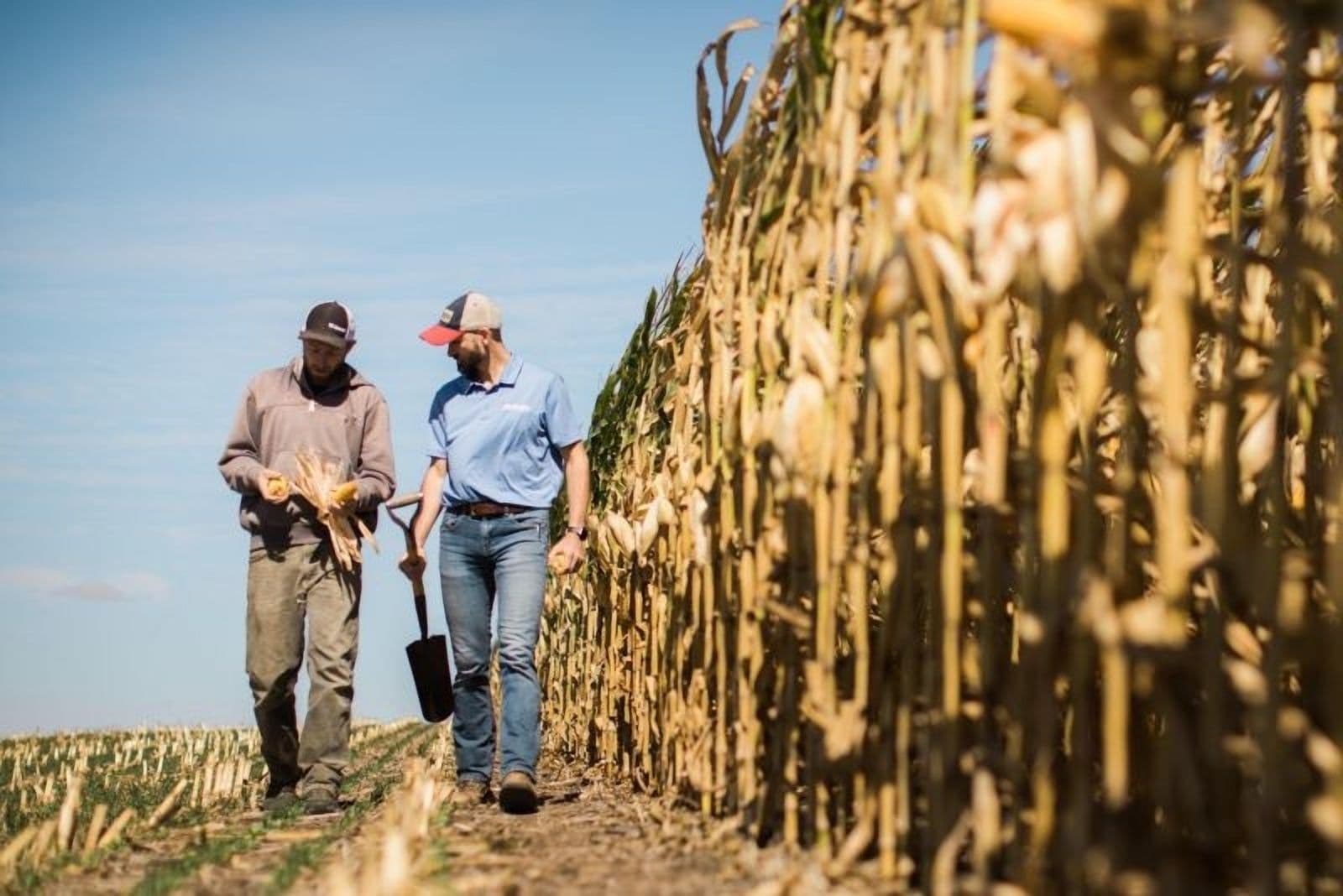
This new initiative will offer technical assistance, including farmer-to-farmer mentoring, provide financial assistance and additional crop insurance assistance, and support market development projects in targeted markets.
USDA’s Agricultural Marketing Service (AMS), Risk Management Agency (RMA) and Natural Resources Conservation Service (NRCS) are the primary agencies supporting the Initiative, which will focus on the transition to an organic partnership programme, direct farmer assistance, and organic market development.
AMS will build partnership networks in six regions across the United States with local organisations serving direct farmer training, education, and outreach activities. The organisations will connect transitioning farmers with mentors, with the USDA providing up to $100 million for this programme.
NRCS will develop a new organic management conservation practice standard and offer financial and technical assistance to producers who implement the practice, and the USDA will provide $75 million for this.
Another AMS initiative will focus on organic markets where the need for domestic supply is high, or where additional processing and distribution capacity is needed. Examples of markets seeking support include organic grain and feed, legumes and other edible rotational crops, and livestock and dairy. USDA will invest up to $100 million in organic supply chains in pinpointed markets. The Department will seek stakeholder input on these pinpointed initiatives beginning in September.
Earlier this year, Secretary of Agriculture Tom Vilsack announced a separate initiative in which his department will invest $1 billion in partnerships to support America’s sustainable farmers, ranchers, and forest landowners.
The initiative will provide both financial and technical assistance to pilot projects lasting between one and five years for US agricultural and forestry products that use sustainable practices. Recipients are expected to demonstrate products’ greenhouse gas benefits through “innovative, cost-effective” means of measurement and verification and market the “climate-smart” commodities post-development.
Source: Environmental Leader
For more investor-related news








Find ESG data and investment analytics providers for portfolio management.
More from KnowESG:
According to the USDA National Agricultural Statistics Service, the number of non-certified organic farms actively transitioning to organic production dropped by nearly 71% since 2008, even though organic production allows producers to keep a greater share of the revenue.
Columbia Climate School also says that “organic farming is widely considered to be a far more sustainable alternative when it comes to food production. The lack of pesticides and a wider variety of plants enhance biodiversity and result in better soil quality and reduced pollution from fertiliser or pesticide run-off.”
This new initiative will offer technical assistance, including farmer-to-farmer mentoring, provide financial assistance and additional crop insurance assistance, and support market development projects in targeted markets.
USDA’s Agricultural Marketing Service (AMS), Risk Management Agency (RMA) and Natural Resources Conservation Service (NRCS) are the primary agencies supporting the Initiative, which will focus on the transition to an organic partnership programme, direct farmer assistance, and organic market development.
AMS will build partnership networks in six regions across the United States with local organisations serving direct farmer training, education, and outreach activities. The organisations will connect transitioning farmers with mentors, with the USDA providing up to $100 million for this programme.
NRCS will develop a new organic management conservation practice standard and offer financial and technical assistance to producers who implement the practice, and the USDA will provide $75 million for this.
Another AMS initiative will focus on organic markets where the need for domestic supply is high, or where additional processing and distribution capacity is needed. Examples of markets seeking support include organic grain and feed, legumes and other edible rotational crops, and livestock and dairy. USDA will invest up to $100 million in organic supply chains in pinpointed markets. The Department will seek stakeholder input on these pinpointed initiatives beginning in September.
Earlier this year, Secretary of Agriculture Tom Vilsack announced a separate initiative in which his department will invest $1 billion in partnerships to support America’s sustainable farmers, ranchers, and forest landowners.
The initiative will provide both financial and technical assistance to pilot projects lasting between one and five years for US agricultural and forestry products that use sustainable practices. Recipients are expected to demonstrate products’ greenhouse gas benefits through “innovative, cost-effective” means of measurement and verification and market the “climate-smart” commodities post-development.
Source: Environmental Leader
For more investor-related news


Amalthea specializes in sustainable finance solutions, helping businesses integrate ESG factors into their financial strategies.

Reach out to Label Collective through KnowESG. Explore ESG certification and sustainability labeling services to support your ESG journey.
Unwritten offers a platform focused on climate risk management, supporting ESG professionals in navigating transition, physical, and nature-related risks in investments. Their services help companies integrate climate data into business strategy, enabling more informed decision-making. They emphasize actionable climate intelligence for diligent risk assessment, disclosure, and value creation.
Discover Thryve Earth's ESG solutions via KnowESG, focusing on biodiversity protection, climate-positive strategies, and green innovation.
Doconomy provides innovative financial tools that combine banking with climate action. Their solutions enable consumers to make sustainable financial choices using AI, behavioral science, and real-time data. Doconomy's products help banks integrate environmental impact into financial transactions and improve climate literacy, supporting climate-conscious decision-making and financial wellbeing.