Wastewater-To-Green-Methanol Project Gains $4 Million Backing In South Africa

Takeaways
- Climate Investor Three, through SA-H2 Fund, has committed up to $4 million to support South Africa’s first wastewater-to-green-methanol project in the Vaal region.
- The facility will convert municipal sewage sludge into green methanol using renewable energy and green hydrogen technology.
- The project is expected to cut nearly 119,000 tonnes of CO₂ emissions annually while creating jobs and improving water resilience in the region.
South Africa is moving a step closer to building its green hydrogen economy after Climate Investor Three committed development funding for the country’s first wastewater-to-green-methanol project.
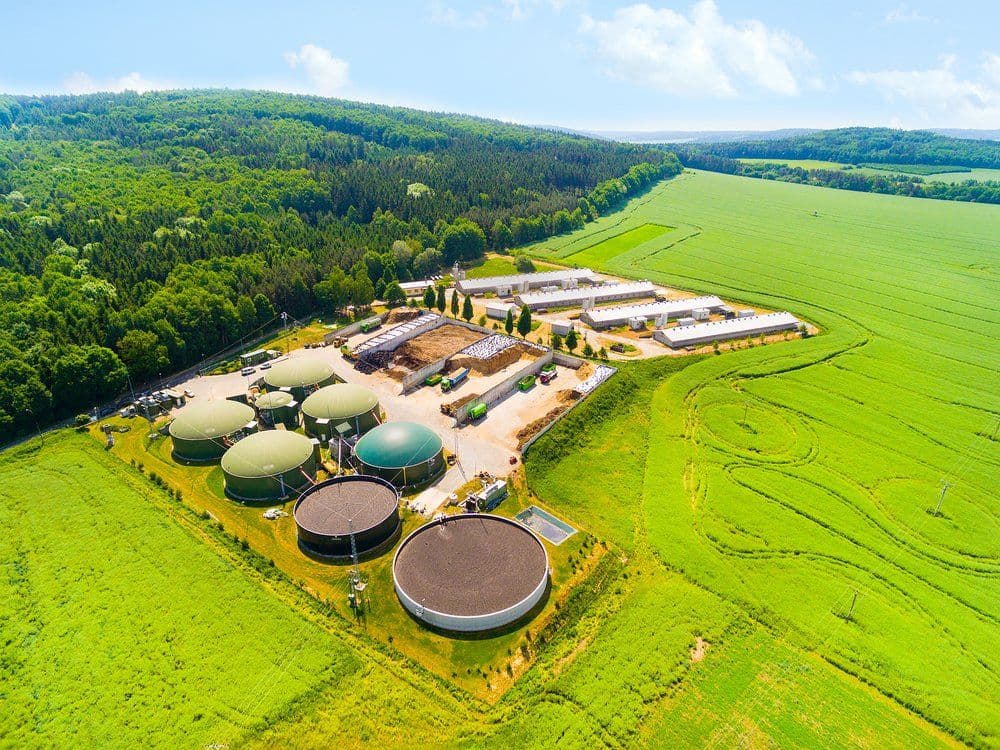
The investment, made through the SA-H2 Fund, will support the development of a green methanol facility in the Vaal Special Economic Zone. The project will transform sewage sludge from the Sebokeng Wastewater Treatment Works into low-carbon fuel for industries facing growing pressure to reduce emissions.
The blended finance platform, managed by Climate Fund Managers in partnership with Invest International, signed a Development Funding Agreement with Green eFuels Producers to move the project into its next phase.
Read More: 6 Sustainable Water Management Solutions Driving ESG Impact
The fund has committed up to $4 million, or nearly ZAR 65.8 million, for early-stage development work. The financing will cover engineering, technical design, permits, environmental studies, and commercial planning. The agreement also gives the investors the option to provide as much as $26 million in future equity funding.
Developers aim to reach financial close by the second half of 2027, with commercial operations expected to begin in 2029.
Turning Waste Into Green Fuel
The planned plant will process around 90,000 tonnes of municipal sewage sludge each year. Renewable electricity from a 50 MW solar facility, along with additional wind energy sourced through South Africa’s wheeling system, will power the operation.
That clean power will run a 10 MW electrolyser to produce green hydrogen. The hydrogen will then be combined with sustainable carbon sources to generate about 14,300 tonnes of green methanol annually.
The project highlights how wastewater and industrial waste can be repurposed into cleaner fuels through circular economy solutions. Conventional methanol is generally produced using fossil fuels, while green methanol relies on renewable energy and lower-carbon feedstocks.
This makes green methanol increasingly attractive for hard-to-abate sectors such as shipping, aviation, and heavy industry, where cutting emissions remains difficult.
According to preliminary lifecycle assessments, the facility could prevent nearly 118,950 tonnes of carbon dioxide equivalent emissions every year.
Supporting South Africa’s Hydrogen Economy
The project forms part of a wider $750 million blended finance initiative designed to accelerate Southern Africa’s energy transition and green hydrogen value chain.
The fund is backed by public and private investors, including the European Commission, South Africa’s Public Investment Corporation, the Industrial Development Corporation of South Africa, the Development Bank of Southern Africa, and Sanlam.
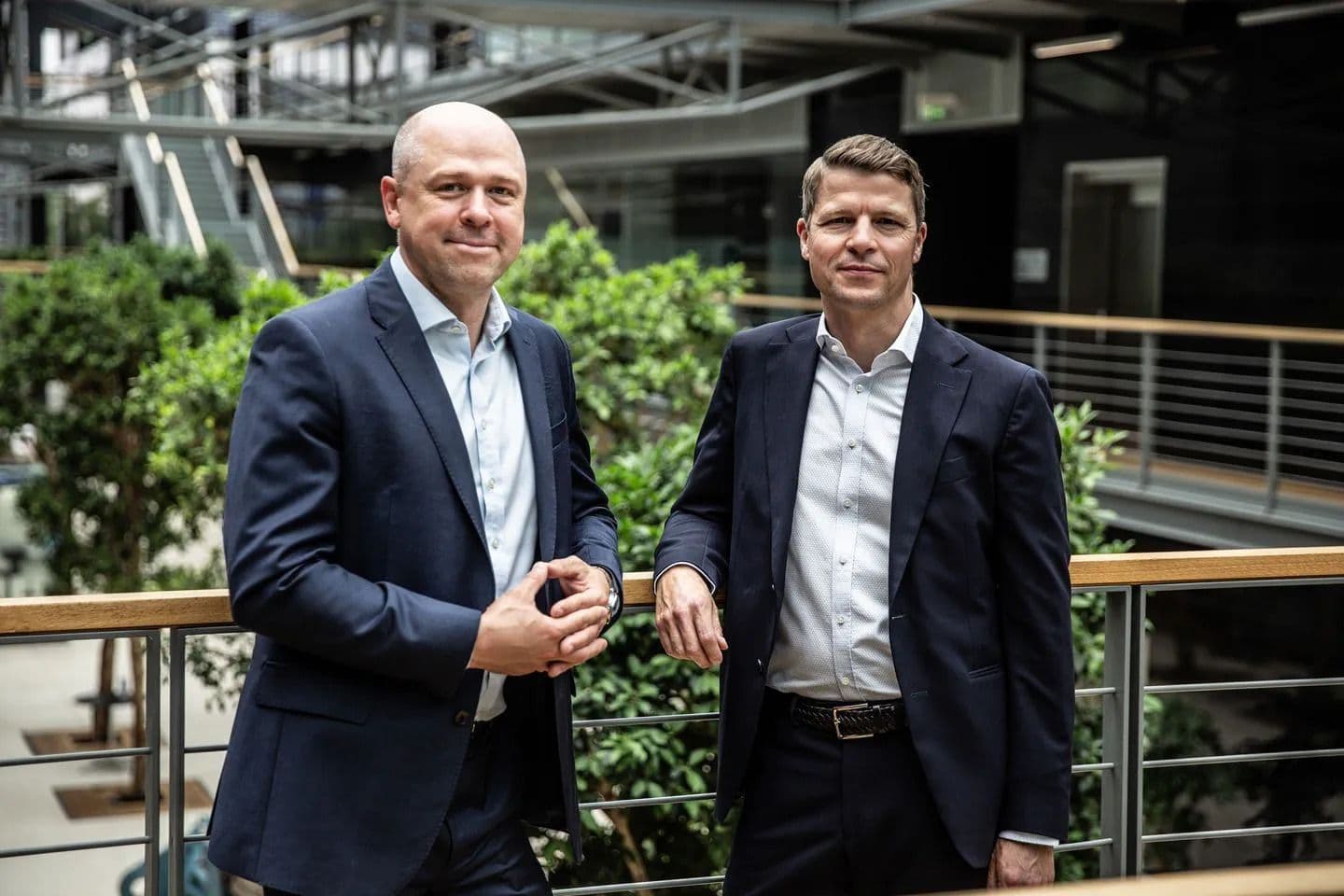
Mphokolo Makara, CEO of SA-H2 Fund Managers, said the project demonstrates how practical energy transition solutions can create both environmental and economic value.
He noted that converting sewage into low-carbon fuel not only tackles waste management issues but also supports industrial growth, local employment, and South Africa’s broader decarbonization goals.
Chris Heinermann, Co-Founder of Green eFuels Producers, described the investment as a major milestone for the project and said it validates the company’s circular fuel production strategy.
Water Security And Job Creation
Beyond fuel production, the facility is also expected to strengthen local water resilience. Developers estimate the project could return between 50,000 and 60,000 cubic metres of industrial-grade water annually to the local utility system.
The development could also create up to 300 construction jobs and around 60 permanent operational roles. A dedicated community programme will focus on skills development and socio-economic support in the Vaal region.
Also Read: Best ESG Waste Management Solutions and Recycling Technologies for 2026
The project aligns with South Africa’s Hydrogen Society Roadmap and national climate targets. It may also serve as the foundation for a future Green Methanol Corridor designed to expand green fuel infrastructure across the country.
For investors, the project signals that South Africa’s hydrogen ambitions are beginning to move beyond policy discussions into commercially viable industrial projects.
Follow more news and views via our Sustainable Finance & Technology and Featured Articles sections, and stay updated on the top ESG events to attend in 2026 for industry insights and networking.
If you're looking for suitable ESG and Sustainability providers to share customized solutions specific to your business needs, you can check out KnowESG's Solutions page.
If you are an ESG provider looking to get your organization listed on our portal, visit this page.
Source: ESG NEWS