Sustainable IT: The Business Model Extending Hardware Lifespans

Takeaways
- A new enterprise IT maintenance model centered on “right-to-repair” could extend hardware lifespans, cut costs, and reduce emissions.
- OEMs, enterprises, and policymakers can benefit from flexible, sustainable, and profitable maintenance solutions.
- Extending server lifecycles by just two years could save billions and avoid tens of millions of tons of CO2 emissions globally.
Every year, companies worldwide replace millions of servers, storage systems, and network components, not because they’re broken, but because maintenance costs skyrocket after three to five years. Manufacturer support fees rise, and essential firmware updates become tied to expensive original equipment manufacturer (OEM) maintenance contracts.
While this model ensures quality and intellectual property protection, it significantly shortens hardware lifespan, straining both budgets and the planet. A new enterprise right-to-repair framework could change that by giving organizations access to parts, diagnostic tools, firmware, and service manuals to maintain their IT infrastructure safely, either directly or through certified third parties.
Why Every Year Counts for the Climate
According to Dell’s lifecycle assessment, up to 83% of a server’s total carbon footprint comes from manufacturing. Extending product lifecycles even slightly could have a major climate impact.
The global server market ships around 12 million units a year. If just 10% of these systems ran for six instead of four years, it would prevent the production of 1.2 million new servers, saving about 5.8 million tons of CO2e, the equivalent of 630,000 households’ annual emissions.
For a mid-sized company with 200 servers, the same extension would cut emissions by 161 tons and save between $650,000 and $850,000 in hardware costs.
Read More: The Growing Need for ESG Companies, Sustainability, and Climate Solutions
Creating a Win-Win Model for All
The goal isn’t to disrupt but to evolve. OEMs often fear that decoupling firmware from maintenance contracts could lead to instability or security risks. A robust certification system for third-party providers, paired with clear liability rules, could address these concerns and preserve IT reliability.
This would open the door to new business models:
- Firmware-as-a-Service (FaaS): OEMs offer firmware updates via subscription instead of tying them to contracts.
- Certified Partner Programs: Third-party technicians trained and certified by OEMs, ensuring quality and safety.
- Official Parts Marketplaces: OEMs sell verified spare parts through licensed channels, promoting material recovery.
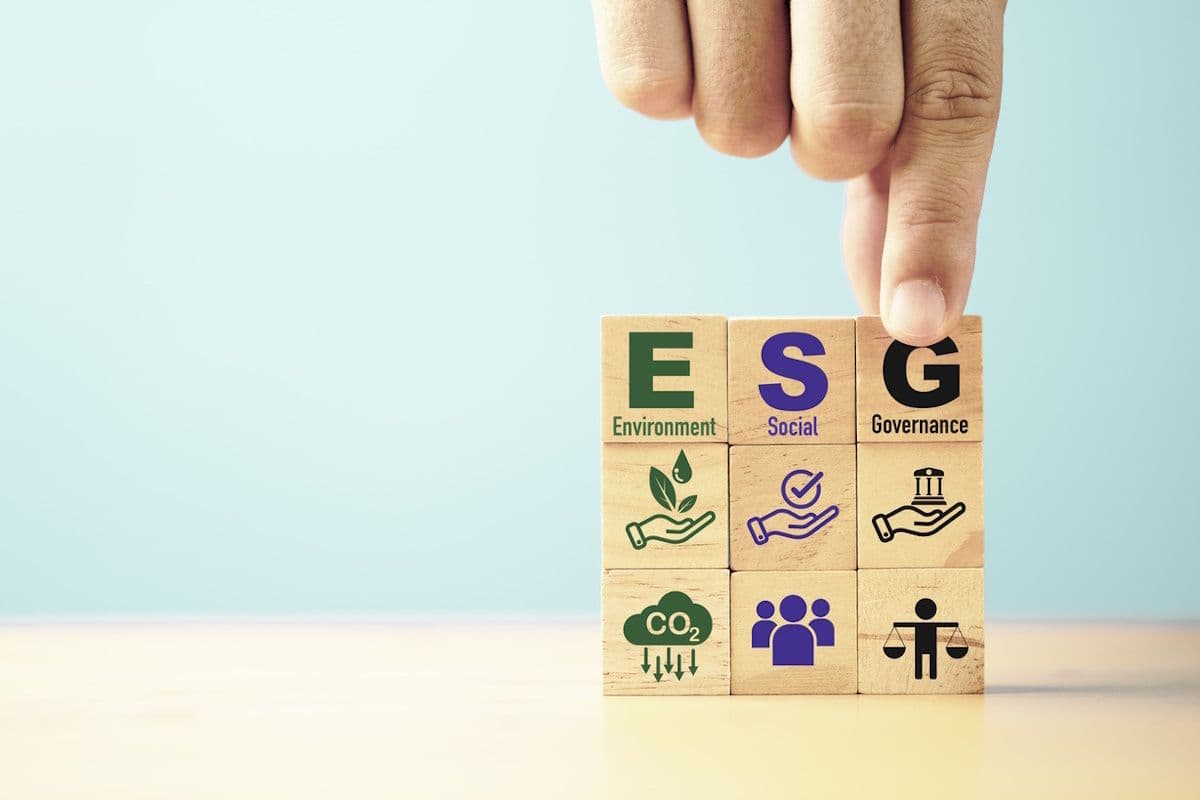
Enterprises benefit through lower maintenance costs, stronger ESG performance, and more predictable budgets. Third-party providers gain legitimate access to manuals and parts, eliminating dependence on the gray market.
The Road Ahead
To make this vision real, all players must act:
- Enterprises can request repair options in RFPs and include CO2 savings in ESG reports.
- OEMs can pilot firmware subscriptions and create partner programs.
- Policymakers can incentivize repairability and promote circular IT models.
If 20% of the world’s 50 million servers extended their lifespan by just two years, it could save $40 billion in hardware and avoid 48.3 million tons of CO2e, while generating up to $10 billion in new service markets.
Also Read: Definitions of Sustainability: A to Z Guide on Sustainability
The message is clear: Enterprise right-to-repair isn’t a threat; it’s a sustainable IT maintenance model for the future. Those who embrace it now will define tomorrow’s standards.
Follow more news and views via our Sustainable Finance & Technology and Featured Articles sections, and stay updated on the top ESG events to attend in 2025 for industry insights and networking.
Source: FASTCOMPANY