Polarise AI Data Centre Expansion Signals Europe’s Push for AI Sovereignty

Takeaways
- Polarise AI data centre expansion in Bavaria will begin with 30 MW capacity, with plans to scale up to 120 MW as AI demand grows.
- The project aims to strengthen European AI infrastructure and reduce dependence on foreign technology providers.
- The facility will rely on renewable energy sources, including wind and solar, to power its operations.
A German technology start-up is taking a major step toward strengthening Europe’s artificial intelligence infrastructure. Polarise has announced plans for a 30-megawatt (MW) AI data centre expansion in the Bavarian town of Amberg, a project that could significantly boost Germany’s domestically operated computing capacity.
The facility is expected to begin operations in mid-2027, with plans to eventually scale up to 120 MW as demand for AI computing continues to rise across Europe.
The announcement comes at a time when European governments are increasingly focused on building sovereign AI infrastructure. Concerns about reliance on foreign technology providers, particularly amid geopolitical tensions, supply chain disruptions, and evolving digital regulations, have pushed policymakers to view data infrastructure as a strategic national asset.
According to the German digital industry association Bitkom, Germany’s AI data centre capacity reached around 530 MW at the end of last year. However, much of this infrastructure is operated by international technology firms rather than domestic companies.
Polarise’s project aims to change that dynamic by strengthening locally controlled computing capabilities.\
Read More: AI Data Centres Threaten Big Tech’s Net-Zero Pledges
Investment Reflects Rising AI Infrastructure Demand
While the company has not disclosed the exact cost of the Amberg facility, early estimates suggest the investment will reach hundreds of millions of euros.
Marc Gazivoda, Polarise’s marketing director, said the final investment size will depend largely on how customers use the facility.
“The final investment volume depends heavily on how many customers install their own servers or rent computing power,” Gazivoda explained, noting that the project is moving forward without state subsidies.
A source familiar with the development said the first phase alone could cost in the triple-digit million euro range. These costs include building the core infrastructure but exclude the specialised processors required for AI workloads.
Major technology companies such as Google and Amazon Web Services typically operate hyperscale data centres with capacities of 100 MW or more, illustrating the scale of infrastructure required to support modern AI systems.
Even so, the planned 30 MW facility would rank among the largest domestically operated AI computing hubs in Germany.
Polarise already operates 13 data centres across Germany and other markets, positioning itself as a regional alternative to global cloud providers.
Energy Supply Becomes a Critical Factor
As the AI boom accelerates worldwide, the energy demands of data centres are becoming a central concern.
Advanced AI models require enormous computing power, and facilities supporting them consume vast amounts of electricity. This has drawn increasing scrutiny from regulators, utilities, and investors worried about grid stability and carbon emissions.
To address these concerns, Polarise plans to power the Amberg site with renewable energy through a partnership with WV Energie. The collaboration will involve building a dedicated wind and solar power plant to supply electricity to the data centre.
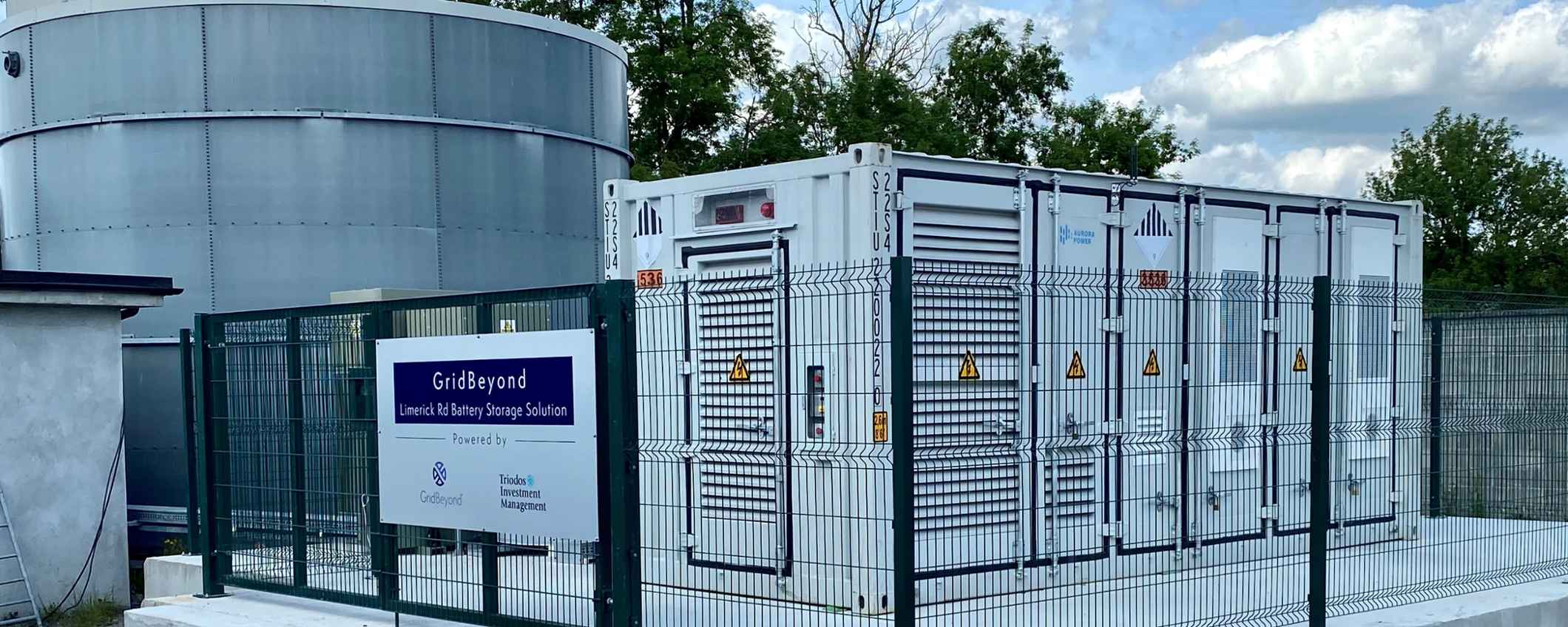
Battery storage systems will also be installed to temporarily store power and stabilize the supply when renewable generation fluctuates.
AI Infrastructure Becomes a Strategic Asset
The new project follows the launch of a 12 MW Polarise data centre in Munich last month. According to Deutsche Telekom, the facility cost roughly €1 billion (about $1.16 billion) and effectively doubled Germany’s locally operated AI computing capacity.
Also Read: As AI Grows, Data Centres Face Soaring Energy Demand
For European policymakers, expanding domestic AI infrastructure is becoming central to long-term technology strategy. Governments increasingly want AI models to be trained and hosted within European regulatory frameworks rather than relying entirely on global technology giants.
Polarise’s planned AI data centre expansion in Bavaria highlights how regional technology providers are stepping into this rapidly growing market. As demand for AI computing capacity continues to surge, projects like the Amberg facility demonstrate how technology policy, energy systems, and infrastructure investment are converging to shape the next phase of the digital economy.
Follow more news and views via our Sustainable Finance & Technology and Featured Articles sections, and stay updated on the top ESG events to attend in 2026 for industry insights and networking.
If you're looking for suitable ESG and Sustainability providers to share customized solutions specific to your business needs, you can check out KnowESG's Solutions page.
If you are an ESG provider looking to get your organization listed on our portal, visit this page.
Source: ESG NEWS