Panasonic Heat Pump Production Expands in Europe with $348m Investment

Panasonic has officially unveiled its expanded and modernized heat pump factory in Pilsen, Czech Republic, following a €320 million ($348 million) investment. The facility is now one of Europe’s largest heat pump production hubs, reflecting both the company’s growth strategy and Europe’s rising demand for clean heating and cooling solutions.
The Pilsen site will have the capacity to produce up to 1.4 million heat pump units annually by 2030. This expansion is seen as a major step in supporting Europe’s push toward decarbonization, while also strengthening Panasonic’s role in the global energy transition.
A Strategic Move to Europe
The investment signals a clear shift in production and research from Southeast Asia to Europe. By localizing operations, Panasonic aims to improve supply resilience and cut transport-related emissions. At the opening ceremony, Czech Prime Minister Petr Fiala emphasized the project’s broader impact.
“The opening of this state-of-the-art heat pump production facility strengthens the competitiveness of Czech industry, brings new skilled jobs, and confirms that the Czech Republic offers attractive conditions for technologically demanding and innovative projects. Our government will continue to actively support these investments,” he said.
Read More: EcoVadis Announces Carbon Data Network for Decarbonisation
Green Impact at the Core
The Pilsen facility is fully aligned with Panasonic’s Green Impact strategy. Operated as a Net Zero factory, it runs on a 1 MW rooftop solar system and renewable energy purchases. A smart building management system reduces energy waste, while rainwater harvesting supports water conservation. From 2026, the plant’s vehicle fleet will transition to electric models, further lowering its carbon footprint.
Toshikatsu Fukunaga, CEO of Panasonic HVAC Europe, highlighted the significance of this investment: “At Panasonic, we see Europe as particularly advanced when it comes to sustainability, and therefore the acceptance of sustainable energy solutions. Our investment into the Pilsen factory demonstrates both our confidence in the growth of the market and our ability to anticipate and meet future demand.”
Integrating Innovation and R&D
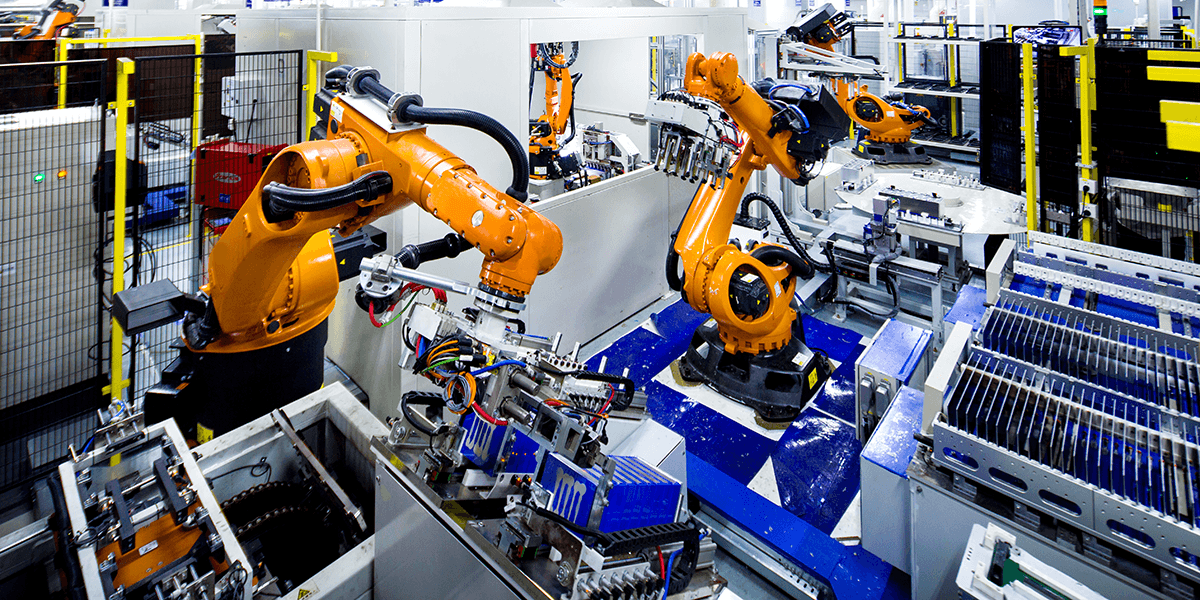
A key feature of the expansion is the establishment of a new research and development center, in collaboration with the Technical University of Ostrava and the University of West Bohemia. By 2028, the local team will oversee the full development lifecycle of air-to-water heat pumps, supported by robotics, AI-driven automation, and global collaboration.
Radek Vach, Business Planning Director at Panasonic HVAC CZ, explained: “By placing further R&D capabilities and production together on the same site, we’ll be able to ensure that the factory is able to rapidly and nimbly anticipate and respond to the evolving needs of this key market. There will also be cost savings associated with reduced logistics, in addition to the speed and flexibility associated with bringing R&D and production together.”
Also Read: Understanding Carbon Accounting: A Practical Guide for 2025
Boosting Europe’s Energy Security
Industry leaders say the project has broader implications for Europe’s energy landscape. Paul Kenny, Director General of the European Heat Pump Association, noted that the sector is central to Europe’s energy security.
“The heat pump sector is boosting Europe’s energy security, our economy, and our path to decarbonization by replacing fossil fuel imports with a clean, locally made, and locally powered solution. Today’s factory reopening is both a big step forward on that journey and a clear message to decision-makers from one of the world’s leading companies, that the future is bright in European manufacturing and that heat pumps will inevitably be at the heart of our future global energy system.”
With the European heat pump market valued at €12.2 billion in 2024 and forecast to exceed €71 billion by 2034, Panasonic’s expansion in Pilsen places the company at the forefront of Europe’s clean energy transition.
Follow more news and views via our Investors and Featured Articles sections, and stay updated on the top ESG events to attend in 2025 for industry insights and networking.
Source: ESG News