Meta Zelestra Solar Partnership Hits 1.4 GW Across US Projects

Takeaways
- Meta and Zelestra have expanded their US clean energy partnership to 1.4 GWdc across eight solar projects, with full completion expected by 2028.
- The projects span Texas and Indiana, combining job creation, land restoration, and domestic manufacturing benefits.
- The deal reflects a broader shift where hyperscalers are directly shaping renewable energy development through long-term power purchase agreements (PPAs).
Meta and renewable energy developer Zelestra have strengthened their clean energy collaboration in the United States, signing a new agreement for a 180 MWdc solar project in Texas. The latest deal lifts their combined portfolio to eight projects totaling around 1.4 GWdc of solar capacity, marking a significant expansion of corporate-led renewable energy procurement.
The new Palmera Solar Plant will be built in Freestone County, Texas. It adds fresh solar capacity to Meta’s US energy mix and supports the company’s broader goal of running its operations on 100% clean energy. The project is also expected to help stabilize renewable power supply on the grid as electricity demand rises.
Read More: Siemens and Norgesnett Partner on Green Solutions
Growing Role of Big Tech in Clean Energy Demand
The agreement highlights how corporate solar procurement is increasingly being driven by large technology companies, often referred to as hyperscalers. Rising electricity use from data centers, cloud computing, and artificial intelligence is pushing firms like Meta to secure long-term renewable energy supply.
Power purchase agreements (PPAs) have become a key tool in this transition, allowing companies to fund new renewable infrastructure while locking in clean electricity over the long term.
Zelestra and Meta now have eight active PPAs across the US, with all projects expected to be operational by 2028.
Meta’s Head of Clean and Renewable Energy, Amanda Yang, said the partnership demonstrates how corporate collaboration can accelerate renewable deployment while creating local economic value and jobs.
Construction Advances across Texas and Indiana
Beyond Palmera, the companies are already moving ahead with multiple projects. Zelestra has begun construction on the 176 MWdc Skull Creek Solar Plant in Texas and the 200 MWdc Reclamation Solar Project in Indiana, both backed by Meta agreements.
Together, these two projects are expected to generate around 400 construction jobs at peak activity. They follow the earlier 81 MWdc Jasper County Solar Project in Indiana, which has already reached commercial operation and became the first completed asset under the partnership.
Zelestra US CEO Phil North said the rapid execution shows how corporate partnerships are translating clean energy goals into real-world infrastructure at scale.
Jobs, Manufacturing, and Land Restoration Benefits
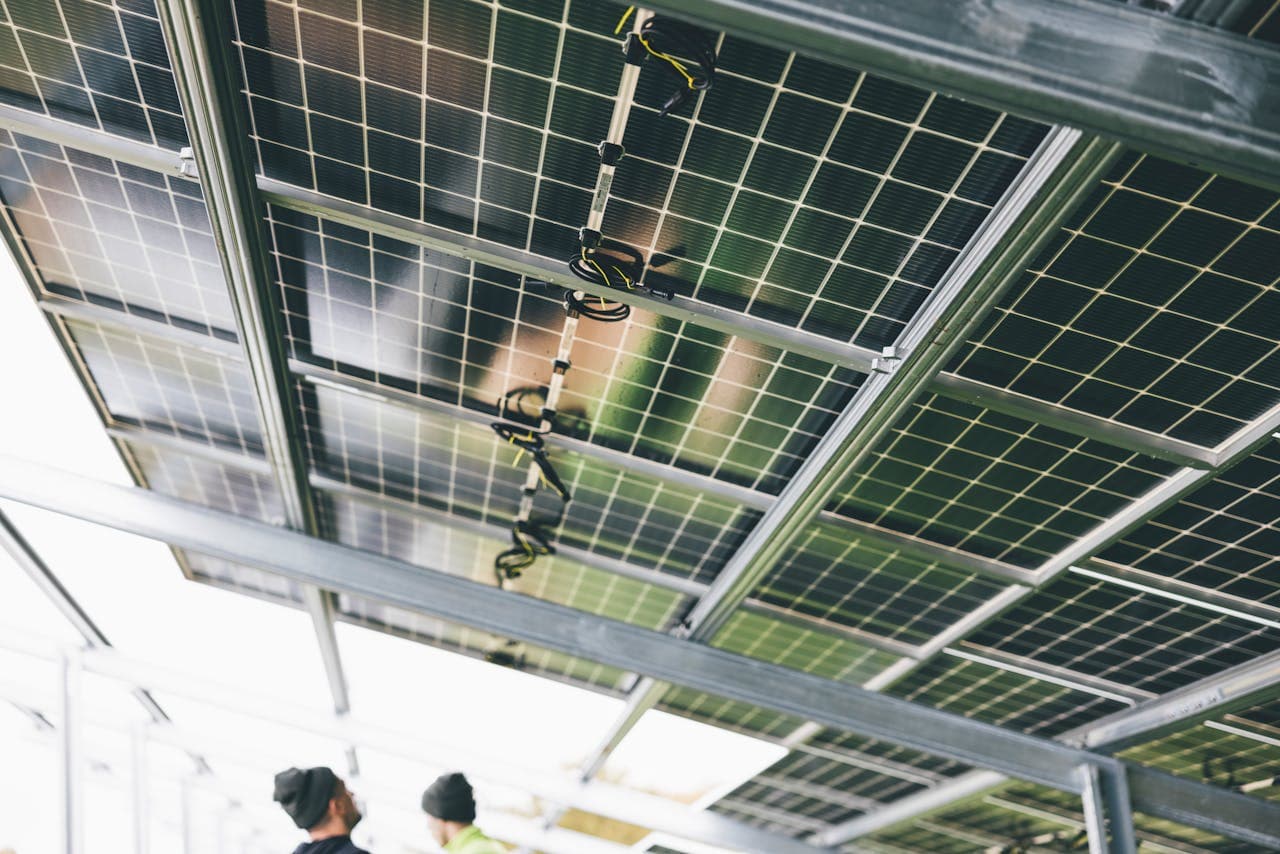
The projects also carry strong local economic and environmental impacts. Skull Creek alone will support around 200 jobs and use approximately 400,000 bifacial solar modules, with McCarthy Building Companies serving as the engineering and construction contractor.
The Reclamation Solar Project in Indiana stands out for its ESG focus. Built on former coal mining land, it will restore degraded terrain while supporting biodiversity and soil regeneration. It will also deploy about 325,000 US-made solar modules supplied by Qcells USA Corp.
Qcells EPC CEO Chris Hodrick noted that the project reflects how clean energy development is transforming legacy industrial sites into productive renewable assets.
Also Read: Google And AirTrunk Prepare Mulwala Solar Farm For Australia’s Grid
A Broader Shift in Corporate Energy Strategy
Zelestra is scaling its US renewable portfolio from Arlington, Virginia, with a pipeline of about 15 GW under development. Its growing focus on large corporate buyers reflects rising demand for reliable clean power.
For Meta, the expanded partnership provides a structured pathway to meet its decarbonization goals while adding new renewable generation to the US grid. For communities, it brings jobs, investment, and long-term infrastructure benefits.
More broadly, the Meta-Zelestra collaboration signals a shift in how clean energy is financed and delivered. Renewable procurement is no longer just about emissions reduction; it is becoming central to energy security, supply chain strategy, and corporate resilience in a rapidly electrifying economy.
Follow more news and views via our Sustainable Finance & Technology and Featured Articles, and stay updated on the top ESG events to attend in 2026 for industry insights and networking.
If you're looking for suitable ESG and Sustainability providers to share customized solutions specific to your business needs, you can check out KnowESG's Solutions page.
If you are an ESG provider looking to get your organization listed on our portal, visit this page.
Source: ESG NEWS