Inside Australia’s Green Steel Revolution: Energy, ESG, and the Road to Net Zero

Takeaways
- Australia’s steelmakers are pivoting to green steel and renewable energy to stay competitive amid stricter ESG and decarbonization demands.
- Collaboration, innovation, and government support, including a $1 billion Green Iron Investment Fund, are accelerating the industry’s transition.
- Companies like BlueScope and InfraBuild are already reducing emissions through renewable-powered production and advanced energy management strategies.
As ESG reporting becomes mandatory and decarbonization accelerates, Australia’s steelmakers are rethinking how they source and manage energy, not just to stay competitive, but to future-proof their operations. The shift signals a defining moment for the industry, where sustainability and profitability are increasingly intertwined.
At the Australian Steel Convention 2025, two themes dominated discussion: Green Steel and the Path to Decarbonization and Energy, Efficiency, and the Steel Industry’s Energy Transition. Industry leaders agreed that energy transition is central to meeting future ESG obligations and achieving meaningful emission reductions.
Adding momentum to this change is the Federal Government’s $1 billion Green Iron Investment Fund, aimed at accelerating low-emission steelmaking and maintaining Australia’s competitiveness in the global push for green steel.
Read More: Australia's Potential to Become a World Leader in Green Iron
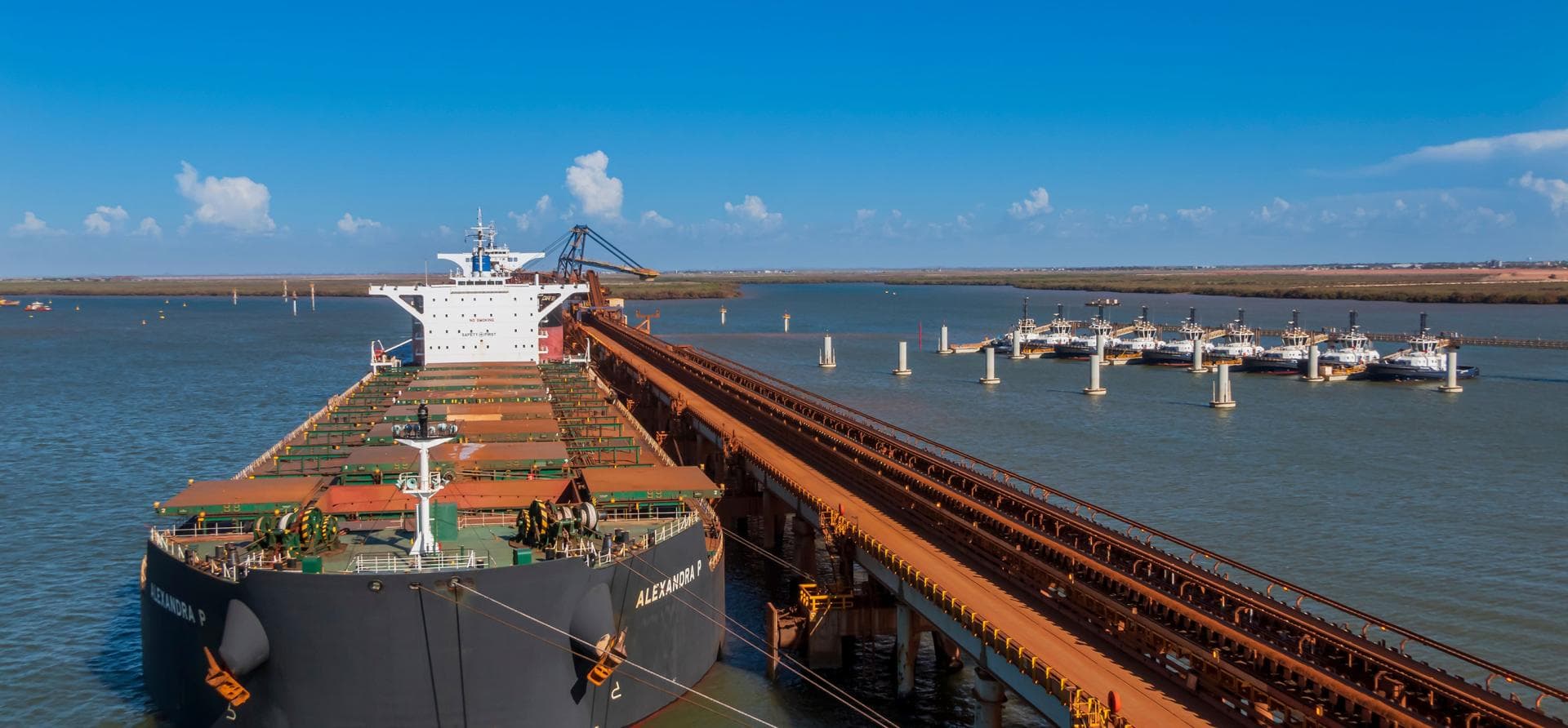
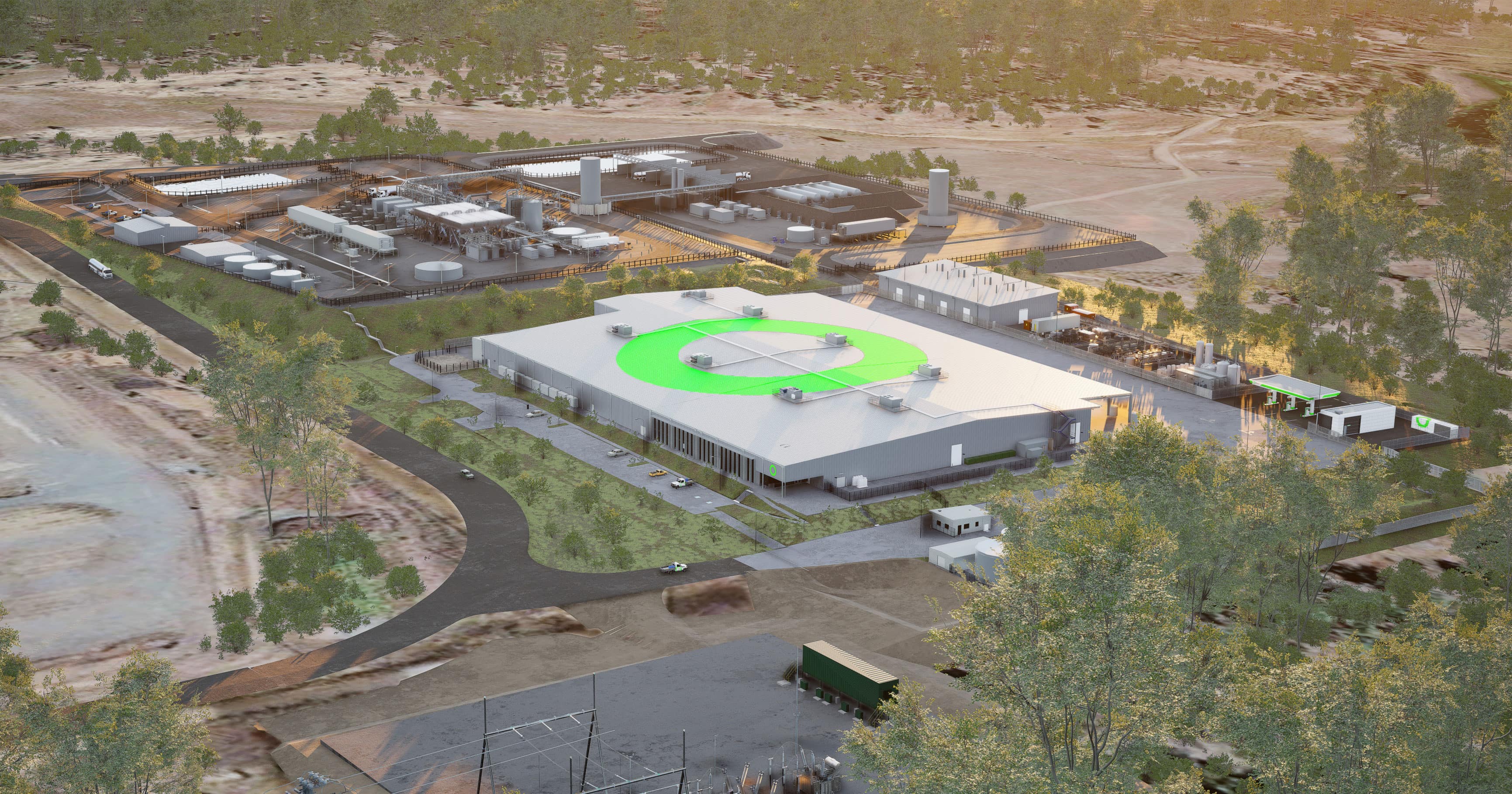
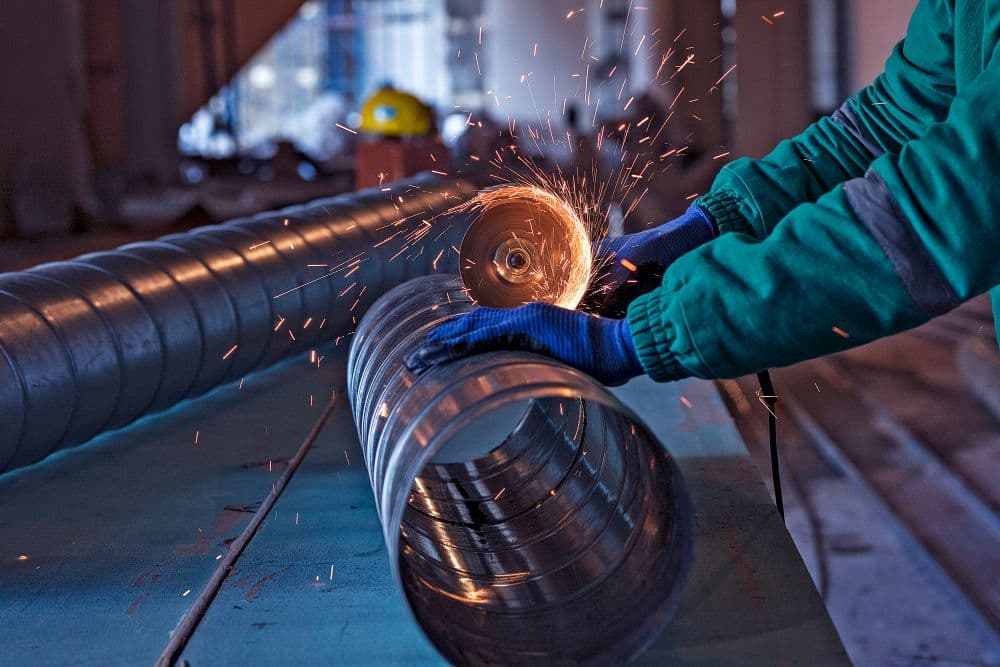
Local producers are already making progress. BlueScope Steel has achieved a 12% reduction in steelmaking emissions intensity since 2018 and is trialing Direct Reduced Iron (DRI) technology powered by renewable energy. In Western Australia, BHP, Rio Tinto, and BlueScope have teamed up on a pilot project using renewable-powered electric smelting furnaces to produce low-carbon iron. Meanwhile, InfraBuild continues to expand its investment in electric arc furnace (EAF) technology at its Laverton site, cutting Scope 2 emissions through renewable electricity and improving ESG reporting accuracy.
For manufacturers, energy management has become a critical lever for achieving sustainability goals. Strategic partnerships with companies such as Choice Energy help steel producers measure their energy footprint, identify renewable procurement opportunities, and implement tailored solutions like GreenPower, renewable PPA agreements, and on-site solar generation. These initiatives provide traceable, reportable emissions reductions while stabilizing long-term costs.
Aligning these actions with frameworks such as Steel Sustainability Australia (SSA) and ISSB-aligned ESG standards strengthens transparency and enhances investor confidence, a growing priority as stakeholders increasingly assess performance through an ESG lens.
Also Read: The Growing Need for ESG Companies, Sustainability, and Climate Solutions
The message from the 2025 Steel Convention was clear: Australia’s steel industry is ready to lead the next phase of industrial decarbonization. By incorporating renewable energy strategies and smarter procurement into operations, supported by expert partners like Choice Energy, steelmakers can transform ESG obligations into strategic advantages and build a stronger, greener foundation for Australian manufacturing.
Follow more news and views via our Sustainable Finance & Technology and Featured Articles sections, and stay updated on the top ESG events to attend in 2025 for industry insights and networking.
Source: Au Manufacturing