Hong Kong-UAE Pact Expands ETF Cross-Listings, Fund Access and ESG Cooperation

Takeaways
- Hong Kong and the UAE signed accords to boost financial cooperation through mutual fund recognition and ETF cross-listings.
- The agreements mark Hong Kong’s first such arrangement with the Middle East and the UAE’s first outside its region.
- The partnership is expected to deepen capital flows, expand investment opportunities, and strengthen ties in ESG and non-oil sectors.
Hong Kong has taken a major step to deepen financial cooperation with the Middle East by signing initial accords with the United Arab Emirates (UAE). The agreements focus on mutual recognition of funds and cross-listings of exchange-traded funds (ETFs), marking a new phase in market connectivity.
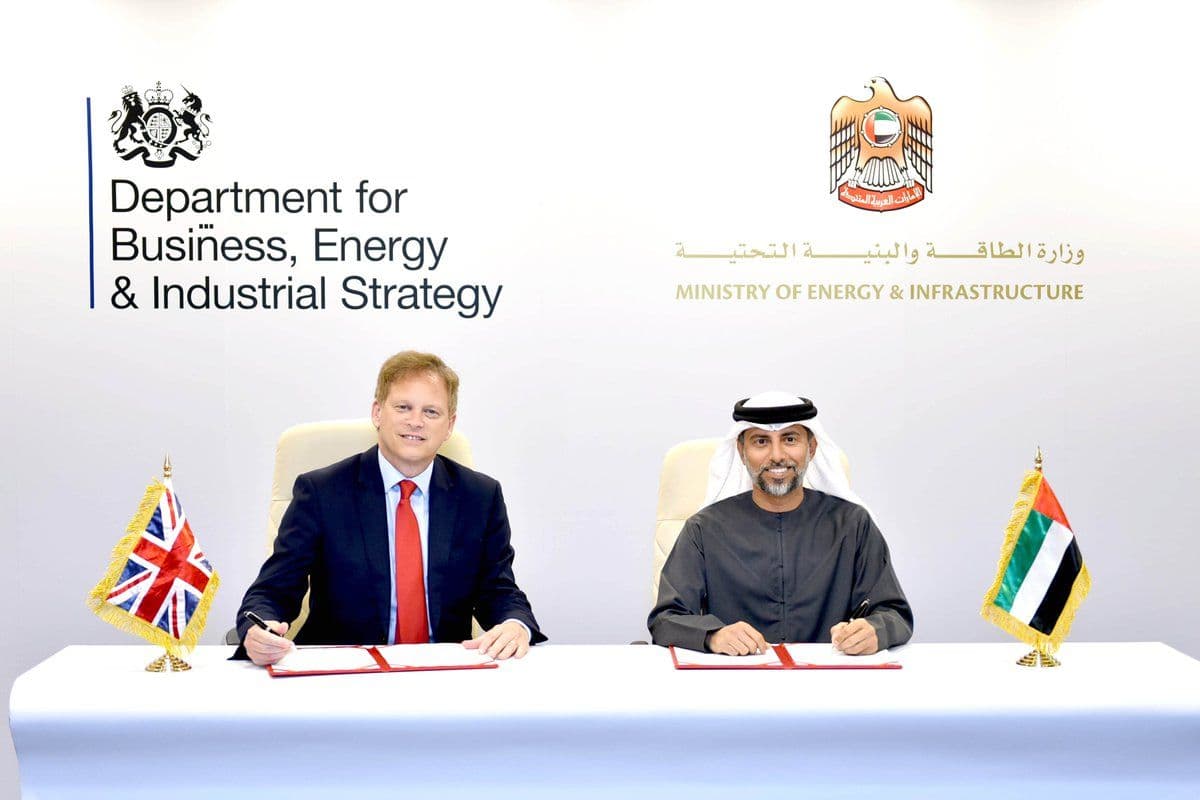
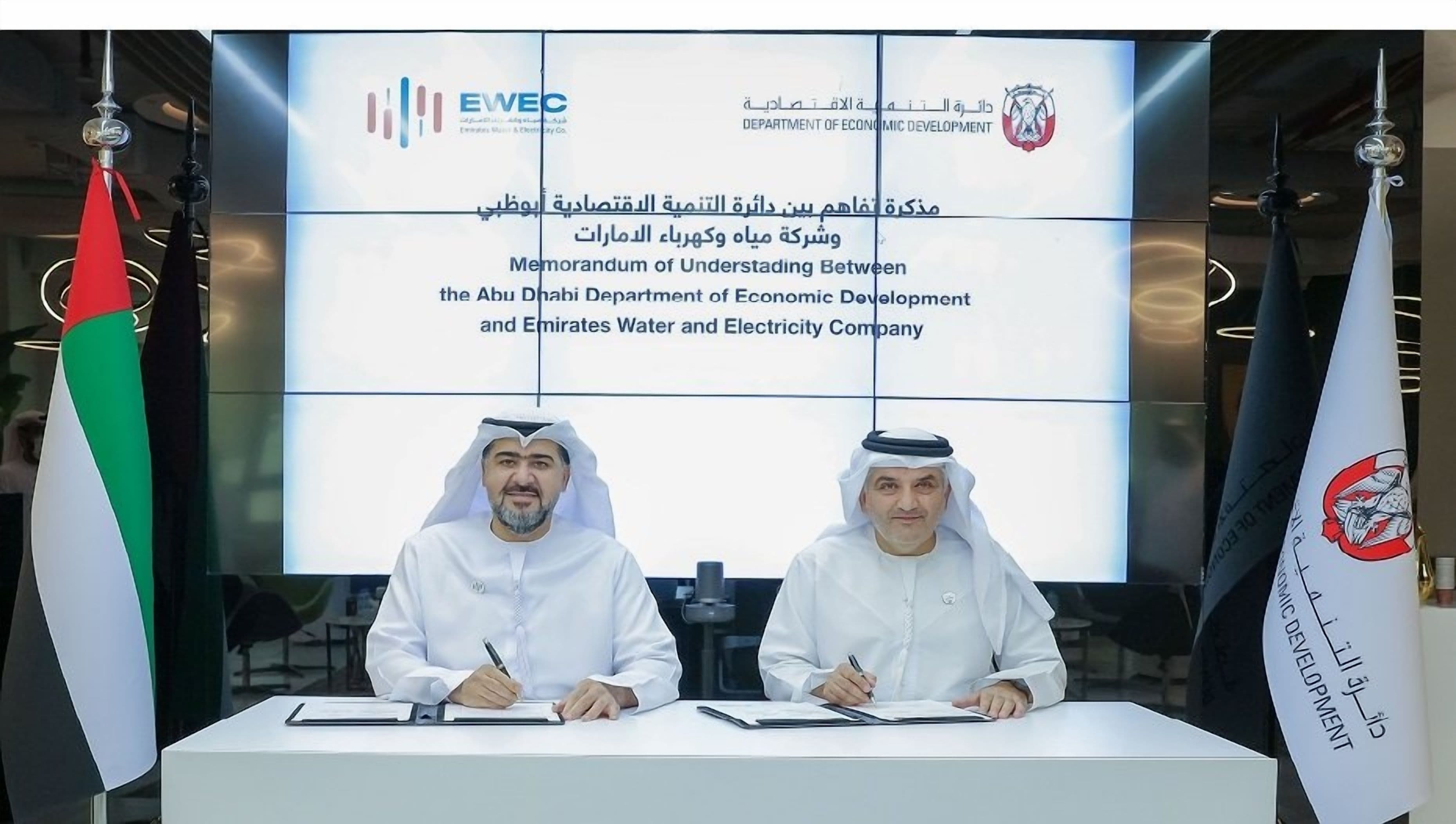
The Securities and Futures Commission (SFC) of Hong Kong and the UAE’s Securities and Commodities Authority signed a memorandum of understanding on Wednesday. The deal will allow public investment products to be distributed across both markets, creating new opportunities for investors. It is Hong Kong’s first such pact with a Middle Eastern market and the UAE’s first outside the region.
Read More: What’s an ETF Stock?: Exchange Traded Funds Explained
Julie Leung Fung-yee, CEO of the SFC, called the cooperation “a new chapter” that reaffirms Hong Kong’s role as a leading fund hub and strengthens its position as a gateway between mainland China and the Middle East. The SFC already has similar arrangements with mainland China and ten other regulators, including Ireland, earlier this year.
In parallel, Hong Kong Exchanges and Clearing (HKEX) signed a separate agreement with the Abu Dhabi Securities Exchange (ADX). This partnership aims to promote cross-listings of ETFs, companies, and environmental, social, and governance (ESG) products. HKEX CEO Bonnie Chan Yiting said the arrangement would enhance cross-border connectivity and capital flows. ADX CEO Abdulla Salem Alnuaimi added that cross-listings and innovative products would help deepen liquidity and broaden investment opportunities.
The UAE’s growing diversification drive has been a key driver of this collaboration. Around 75 percent of its GDP now comes from non-oil sectors, and it plans to double its economy to about US$800 billion by focusing on technology, renewable energy, infrastructure, and healthcare. This creates scope for Hong Kong companies to play a larger role in the UAE’s growth story.
Speaking at the Investopia Global conference in Hong Kong, Financial Secretary Paul Chan Mo-po highlighted the benefits of ETFs for broad market exposure and risk diversification. “For many investors, entering a new market through this kind of passive collective investment will feel more comfortable since the risks are relatively more spread out,” he said.
Industry leaders echoed these sentiments, with Gregory Yu, head of markets at HKEX, describing ETFs as a “primer” for investor education and product development. The agreements also follow a growing trend of Middle Eastern funds taking part in Hong Kong’s IPOs, reinforcing the city’s position as a global fundraising center.
Also Read: Best Alternative Environmental ETFs
With ESG collaboration on the agenda and a focus on non-oil sectors, the strengthened ties are expected to pave the way for deeper cooperation between Hong Kong, the UAE, and the wider Middle East.
Follow more news and views via our Investors and Featured Articles sections, and stay updated on the top ESG events to attend in 2025 for industry insights and networking.
Source: scmp.com