Grid Investment Could Reshape Europe’s Electricity System

Highlights
- Spanish blackout puts the spotlight back on gaps in grid responsiveness and frequency reserve services.
- Renewable energy projects are put on ice due to outdated grid connection processes.
- €477 billion investment in EU transmission networks needed by 2040 to improve grid resilience and support climate goals.
Five months after a blackout plunged Spain and Portugal into darkness on 28 April, questions are cascading about the event.
The European Network of Transmission System Operators for Electricity (ENTSO-E) plans to release its conclusions this week.
Early reports point to a lack of grid responsiveness, which left some areas without power for more than six hours. This period far exceeded the expected maximum response of 30 minutes from the frequency reserve process.
Analysts have noted that the Spanish transmission system operator (TSO) did not use or size frequency reserve services adequately. Although the final cause is still under review, it is clear that the grid’s inability to react swiftly led to the prolonged outage.
Read More: Iberian Blackout Exposes Gaps in Management, Not in Renewables
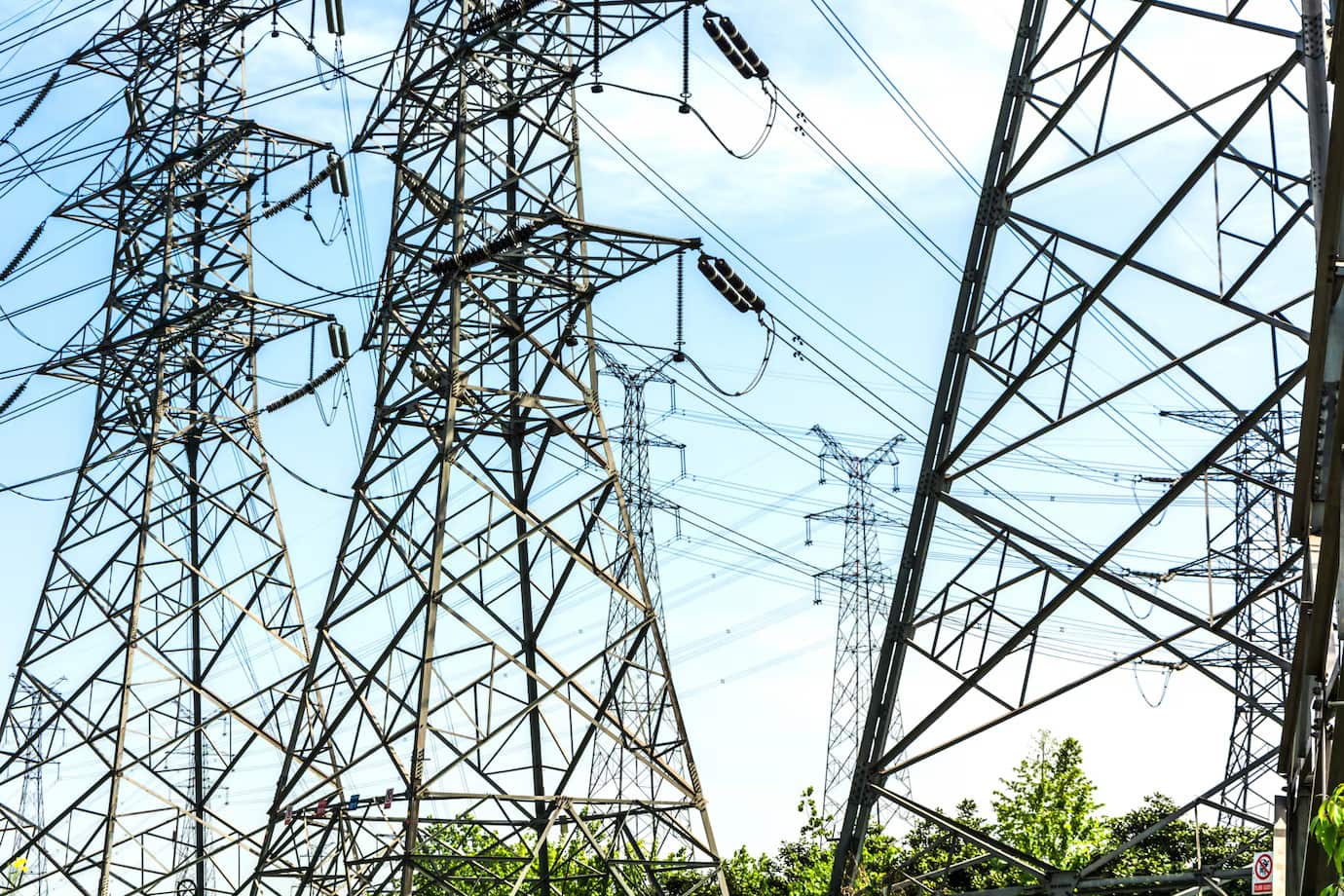
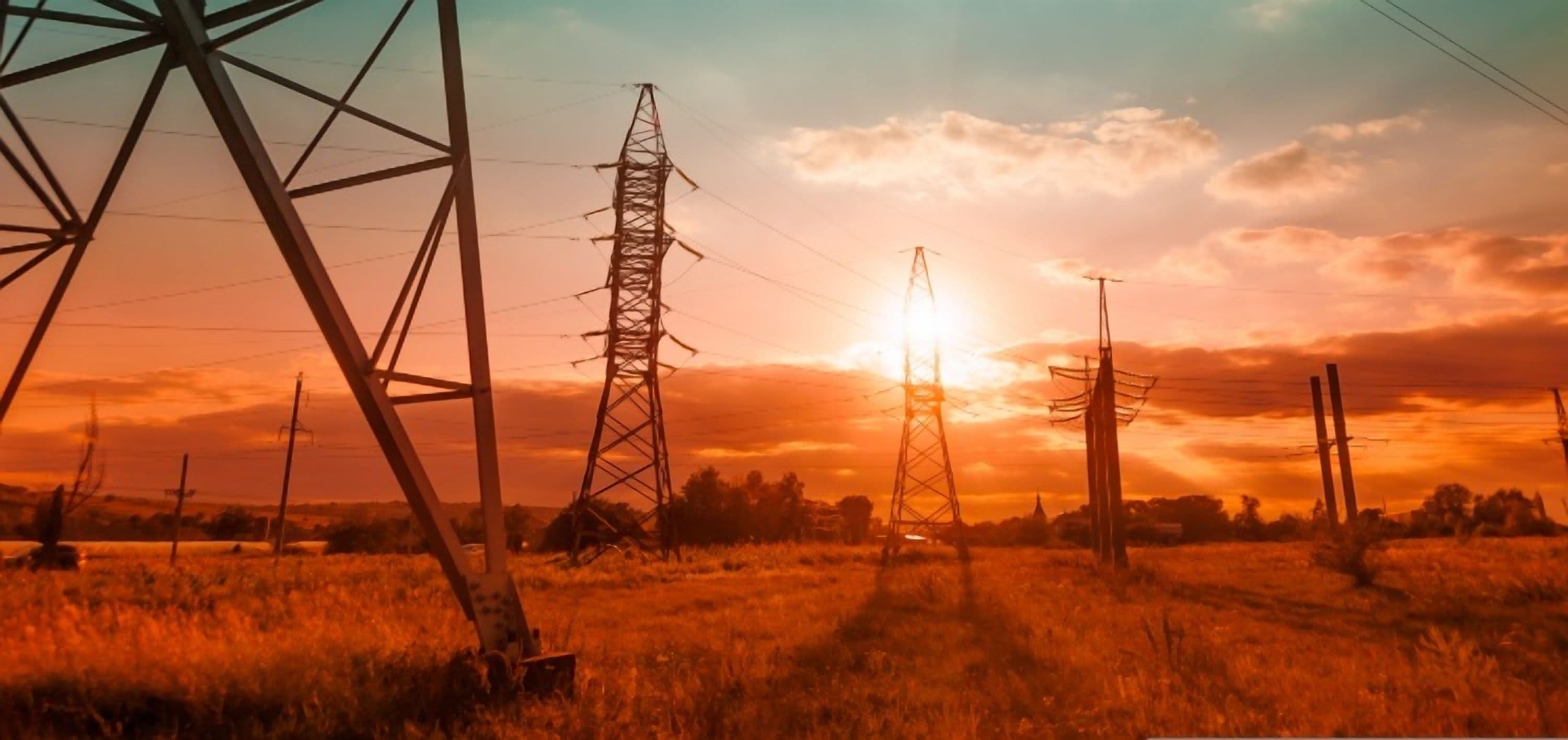
The blackout points to the need for electricity networks to handle rising renewable energy output and energy storage projects, which could make the power supply more reliable and affordable.
The incident is not the first warning of grid vulnerabilities. Research from May 2025 by Beyond Fossil Fuels, Ember, E3G, and IEEFA showed that many renewable energy projects in Europe deal with long delays before connecting to the grid.
The report showed that the capacity of projects stuck in queues exceeds three times the amount needed to meet the EU’s 2030 energy and climate targets. Outdated grid connection processes lead to these delays and underline the need for network upgrades, frequency control reserves, and smart management systems.
The financial case for grid investment is strong. In June, the European Commission issued guidance allowing regulators to approve anticipatory investments in grids.
The EU transmission network alone will need €477 billion by 2040, which indicates opportunities for TSOs to access multiple funding channels.
Italy’s Terna became the first operator to issue bonds under the European Green Bond Standard and subsequently raised €750 million with strong investor demand, which is an example that sustainable finance can help fund grid developments.
Also Read: SFDR: Sustainable Finance Disclosure Regulation (EU) Explained
Looking ahead, the Spanish government has opened its own investigation, while ENTSO-E will publish its findings on 3 October. Research says that low capital expenditure planning by TSOs limits renewable energy growth and leaves grid resilience vulnerable when electricity supply and demand are not balanced.
The European Commission’s European Grids Package aims to introduce updated regulations, legal mandates, and solutions for renewables and energy storage, which act as a roadmap for grids to form the backbone of climate-neutral energy systems.
Upgraded grids could also be economically and socially beneficial, such as reduced exposure to commodity price volatility and infrastructure prepared for electrification.
Ends/
Want to up sustainability across your business operations? Discover our ESG Marketplace, home to over 800 providers delivering a range of ESG and sustainability services.
Stay informed with the latest insights by following KnowESG’s Sustainable Finance News.
Explore our recent ESG Event updates.