EU Carbon Market Gets $3.5B Boost as EIB Shields Households

Takeaways
- The European Investment Bank (EIB) will front-load $3.5 billion to help EU states protect vulnerable households before the EU carbon market begins in 2028.
- Funds will support energy efficiency upgrades, cleaner vehicles, and low-carbon heating to soften the impact of carbon pricing.
- The loans will later be repaid using revenues generated by the carbon market, creating a new climate finance model.
Brussels is moving early to contain political risks around its next major climate policy. The European Investment Bank (EIB) will accelerate financing to European Union governments, releasing €3 billion ($3.5 billion) ahead of schedule to help countries prepare households for the launch of the bloc’s new EU carbon market.
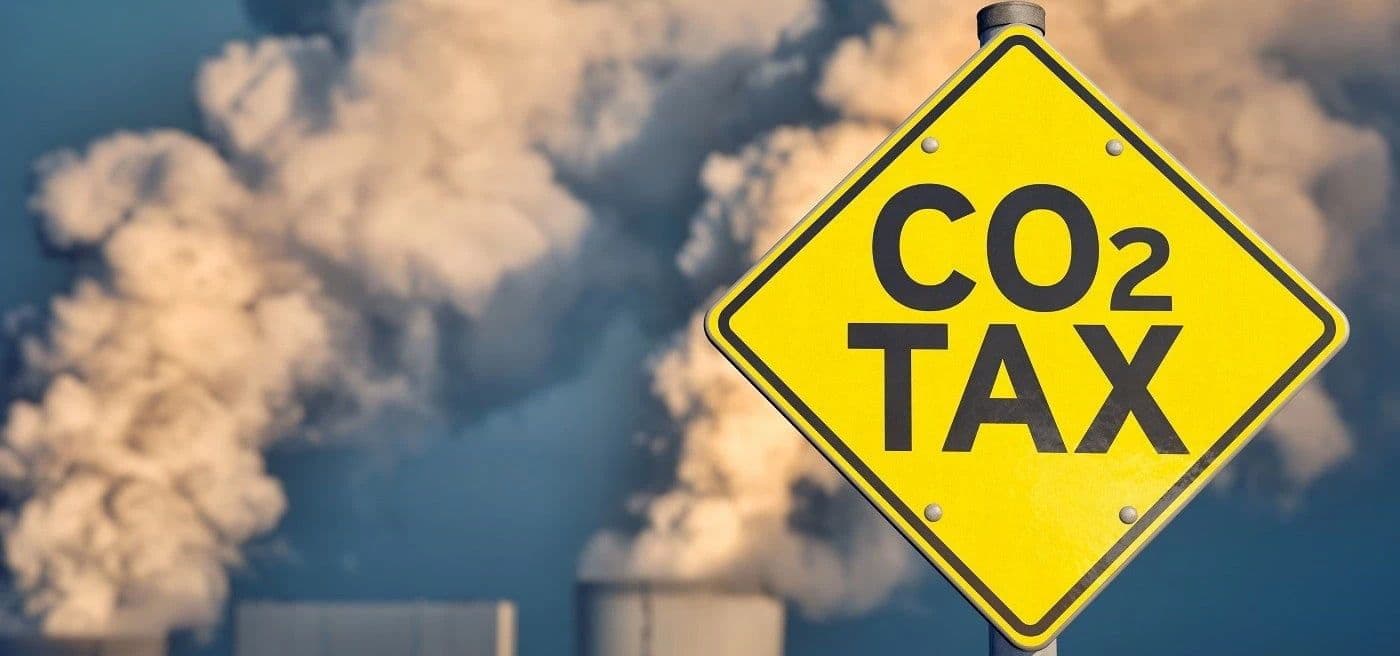
The market, now set to begin in 2028 after a one-year delay, will apply carbon pricing to emissions from buildings and road transport fuels. While policymakers see it as central to Europe’s low-carbon transition, rising energy costs and inflation have made the measure politically sensitive.
By offering funding now rather than later, the EIB hopes to reduce pressure on families before carbon costs appear on fuel and heating bills.
Under the plan, governments can use the money for energy efficiency upgrades, including insulation for older homes, replacement of fossil-fuel heating systems, and support for cleaner vehicles. Officials believe cutting energy demand in advance will shield vulnerable households from higher costs once emissions charges begin.
Read More: How the EU CBAM Is Powering Asia’s Carbon Market Growth
A spokesperson for the bank said the financing will eventually be repaid using revenues from the carbon market after it becomes operational. The structure effectively links today’s investments to tomorrow’s carbon income, creating a form of pre-emptive climate finance designed to smooth the transition.
The move comes after months of pressure from member states concerned about affordability. Countries including Poland and the Czech Republic warned that higher fuel and heating prices could widen inequality and spark public backlash. Broader worries about energy security and household budgets led the EU to delay the market’s start from 2027 to 2028.
Last year, 19 countries, including France and Germany, pushed for tighter safeguards and price controls. In response, Brussels introduced mechanisms to prevent price spikes and stabilize costs during the system’s early years.
For businesses and investors, the funding offers clearer signals about where demand will grow. Companies in automotive electrification, heat pumps, insulation, and building retrofits are likely to benefit as governments scale up spending tied to the EU carbon market rollout.
Financial markets are also watching how the European Investment Bank (EIB) is being used to de-risk policy changes. Linking loans to future carbon revenues could become a template for other regions where carbon pricing faces political resistance.
Also Read: Voluntary Carbon Credit Demand Set to Rise, Morgan Stanley Survey Shows
Ultimately, the strategy reflects a balancing act. Europe is betting that combining climate finance with social protections can deliver emissions cuts without triggering economic strain. Whether these early investments succeed may determine how smoothly the low-carbon transition unfolds and whether carbon markets gain broader public acceptance.
Follow more news and views via our Sustainable Finance & Technology and Featured Articles, and stay updated on the top ESG events to attend in 2026 for industry insights and networking.
If you're looking for suitable ESG and Sustainability providers to share customized solutions specific to your business needs, you can check out KnowESG's Solutions page.
If you are an ESG provider looking to get your organization listed on our portal, visit this page.
Source: ESG NEWS