EPI and Shell to Develop Renewable Projects in Philippines
•2 min read
by KnowESG

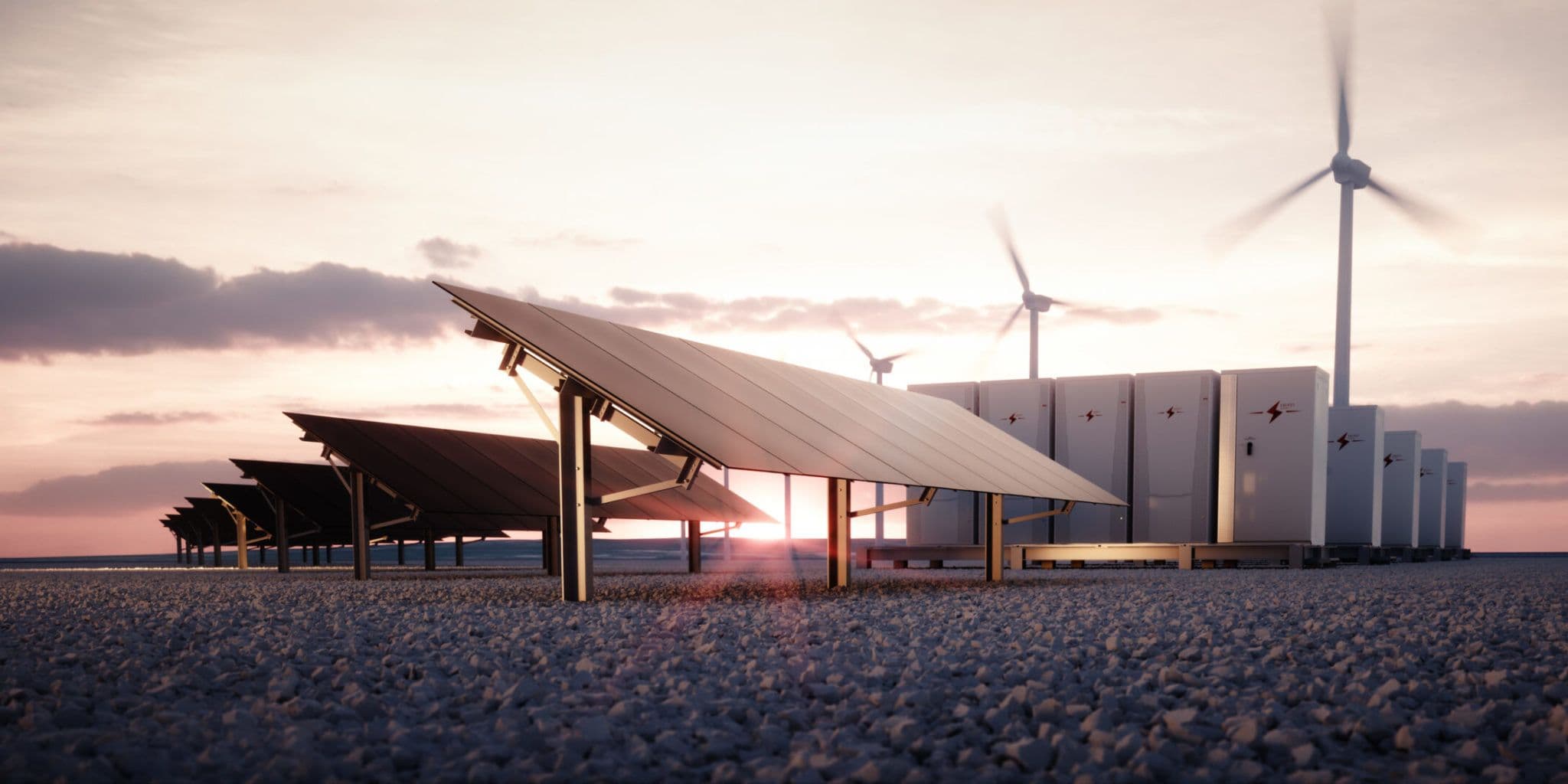
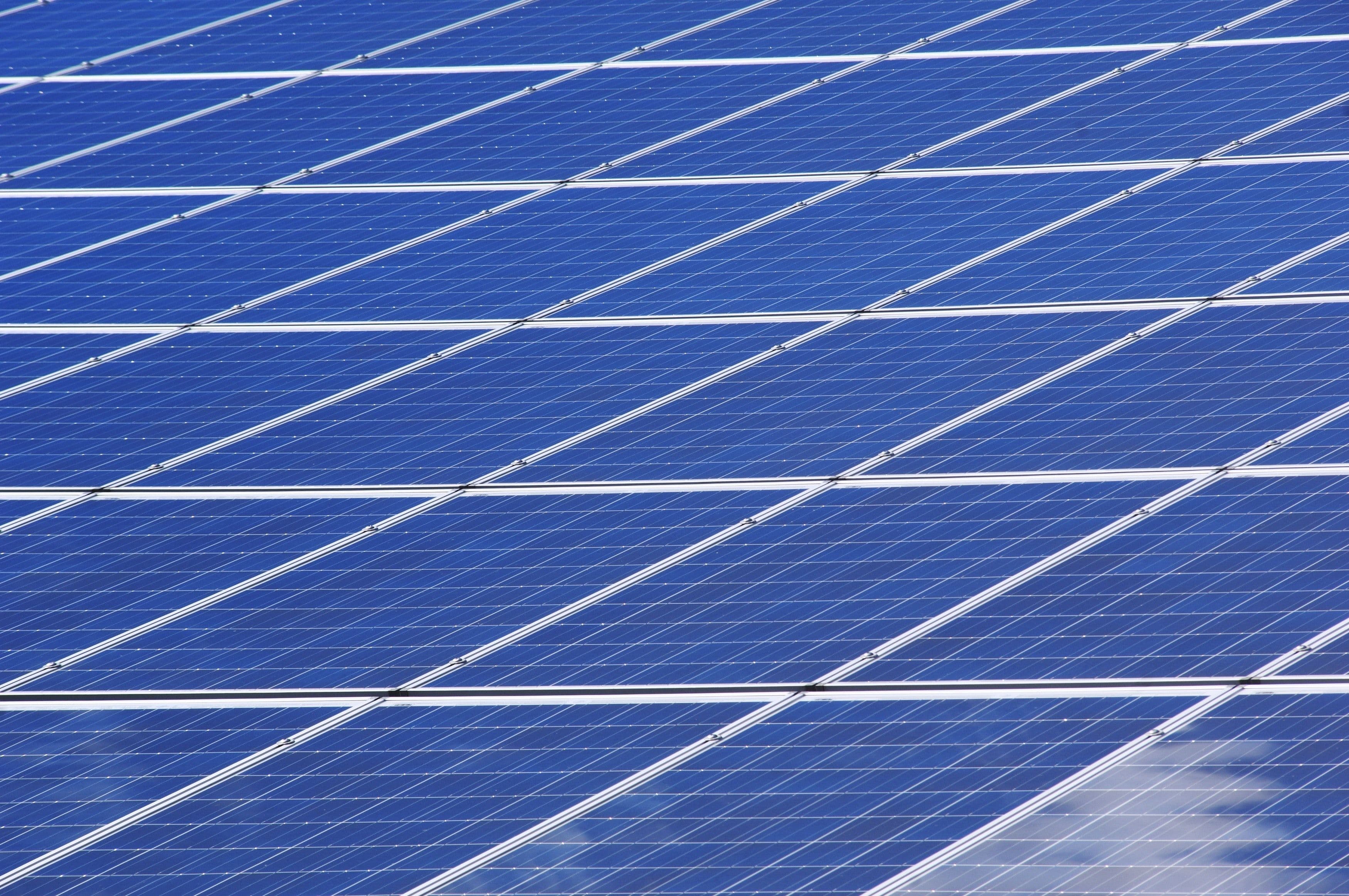
The partners will develop, own, operate and maintain onshore renewable projects in the country, primarily focusing on utility-scale solar photovoltaic (PV) projects.
Citing industrial data, Shell and EPI said that around 1GW of solar PV could meet the annual daytime power needs of around 1.2 million homes in the Philippines.
The two companies will also explore opportunities in onshore wind and energy storage systems.
The partnership aims to develop 1GW of projects by 2028, eventually seeking to add up to 3GW to the Philippines’ renewable capacity.
Shell Philippines country chair Lorelie Q Osial said: “Working with partners and developing new collaborations is key to accelerating the energy transition.
“This Shell-EPI partnership will leverage Shell’s technical expertise and integrated solutions as a global energy company and EPI’s strong presence in the Philippines.
“Together, we can power progress for the Philippines through sustainable energy for industries and homes.”
Reuters reported that the Philippines is looking to increase the share of renewable energy in its power mix from 21% in 2020 to 35% by 2030.
Shell and EPI’s partnership will initially focus on developing projects in the country’s Luzon and Visayas regions.
NAC president and CEO Martin Antonio G Zamora said: “The joint venture has the full support of EPI’s parent company, NAC.
“This partnership would allow both companies to boost the supply of renewable energy in the Philippines and is in line with NAC’s vision to become the premier environmental, social, and governance (ESG) investment in the country.”
Last month, Shell announced the launch of Shell Energy Solutions, a green energy business created to serve the US’ residential power market.
Source: Power Technology


Find ESG data and investment analytics providers for portfolio management.
More from KnowESG:
The partners will develop, own, operate and maintain onshore renewable projects in the country, primarily focusing on utility-scale solar photovoltaic (PV) projects.
Citing industrial data, Shell and EPI said that around 1GW of solar PV could meet the annual daytime power needs of around 1.2 million homes in the Philippines.
The two companies will also explore opportunities in onshore wind and energy storage systems.
The partnership aims to develop 1GW of projects by 2028, eventually seeking to add up to 3GW to the Philippines’ renewable capacity.
Shell Philippines country chair Lorelie Q Osial said: “Working with partners and developing new collaborations is key to accelerating the energy transition.
“This Shell-EPI partnership will leverage Shell’s technical expertise and integrated solutions as a global energy company and EPI’s strong presence in the Philippines.
“Together, we can power progress for the Philippines through sustainable energy for industries and homes.”
Reuters reported that the Philippines is looking to increase the share of renewable energy in its power mix from 21% in 2020 to 35% by 2030.
Shell and EPI’s partnership will initially focus on developing projects in the country’s Luzon and Visayas regions.
NAC president and CEO Martin Antonio G Zamora said: “The joint venture has the full support of EPI’s parent company, NAC.
“This partnership would allow both companies to boost the supply of renewable energy in the Philippines and is in line with NAC’s vision to become the premier environmental, social, and governance (ESG) investment in the country.”
Last month, Shell announced the launch of Shell Energy Solutions, a green energy business created to serve the US’ residential power market.
Source: Power Technology


Amalthea specializes in sustainable finance solutions, helping businesses integrate ESG factors into their financial strategies.

Reach out to Label Collective through KnowESG. Explore ESG certification and sustainability labeling services to support your ESG journey.
Unwritten offers a platform focused on climate risk management, supporting ESG professionals in navigating transition, physical, and nature-related risks in investments. Their services help companies integrate climate data into business strategy, enabling more informed decision-making. They emphasize actionable climate intelligence for diligent risk assessment, disclosure, and value creation.
Discover Thryve Earth's ESG solutions via KnowESG, focusing on biodiversity protection, climate-positive strategies, and green innovation.
Doconomy provides innovative financial tools that combine banking with climate action. Their solutions enable consumers to make sustainable financial choices using AI, behavioral science, and real-time data. Doconomy's products help banks integrate environmental impact into financial transactions and improve climate literacy, supporting climate-conscious decision-making and financial wellbeing.