Circular Data Centre Design: Microsoft’s Push for Zero Waste

Takeaways
- Microsoft is advancing circular data centre design to reduce waste and improve resource efficiency.
- The company has cut single-use plastics in packaging to just 0.07% and achieved a 90.9% reuse and recycling rate for cloud hardware.
- Circular practices are also strengthening supply chains and supporting AI-driven environmental solutions worldwide.
As demand for cloud computing grows, Microsoft is rethinking how its data centres operate, placing sustainability and efficiency at the core. The company is adopting circular data centre design to reduce waste, extend hardware life, and limit its environmental footprint.
With global plastic waste surpassing 460 million tonnes, the tech giant is taking steps to reduce its contribution. By the end of 2025, Microsoft had nearly eliminated single-use plastics from its primary product packaging, bringing usage down to just 0.07% across its global operations. This shift reflects a broader push to embed sustainability in cloud infrastructure.
Read More: Cooling the Cloud: How Data Centers Manage Water Use
Building Circular Data Centres
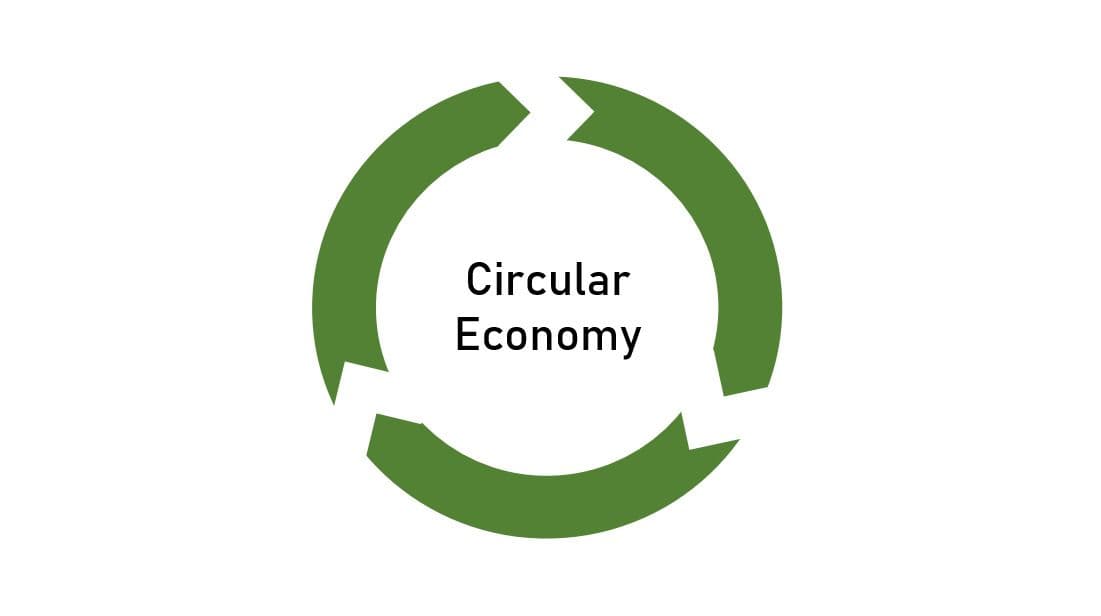
At the heart of Microsoft’s strategy is the circular economy model, which focuses on keeping materials in use for as long as possible. In practical terms, this means designing servers and components to last longer and be easier to repair or upgrade.
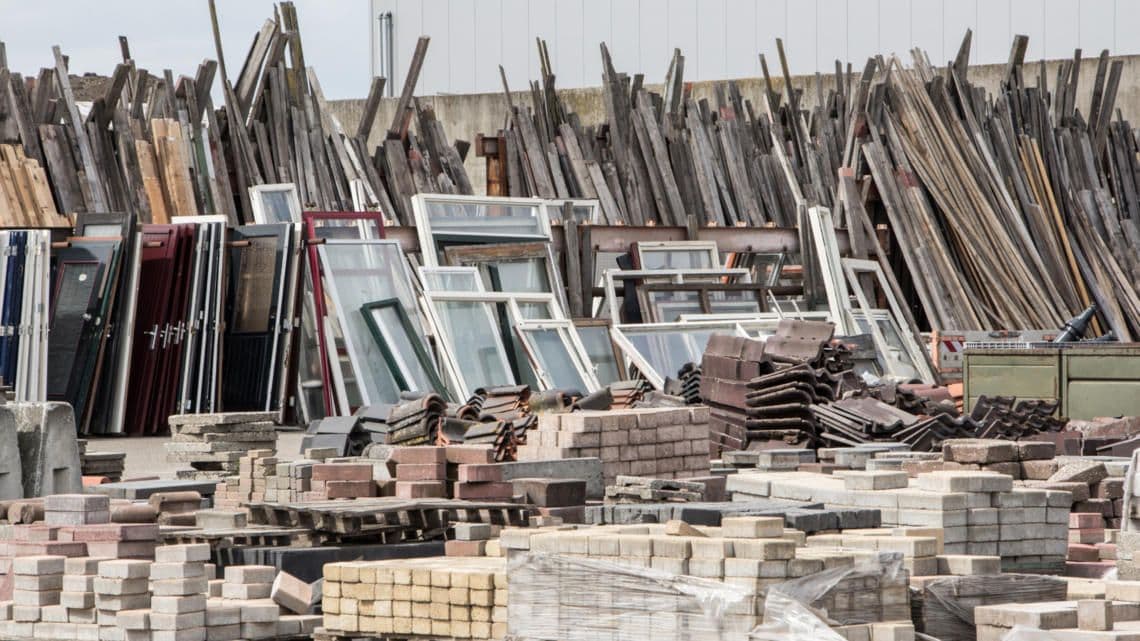
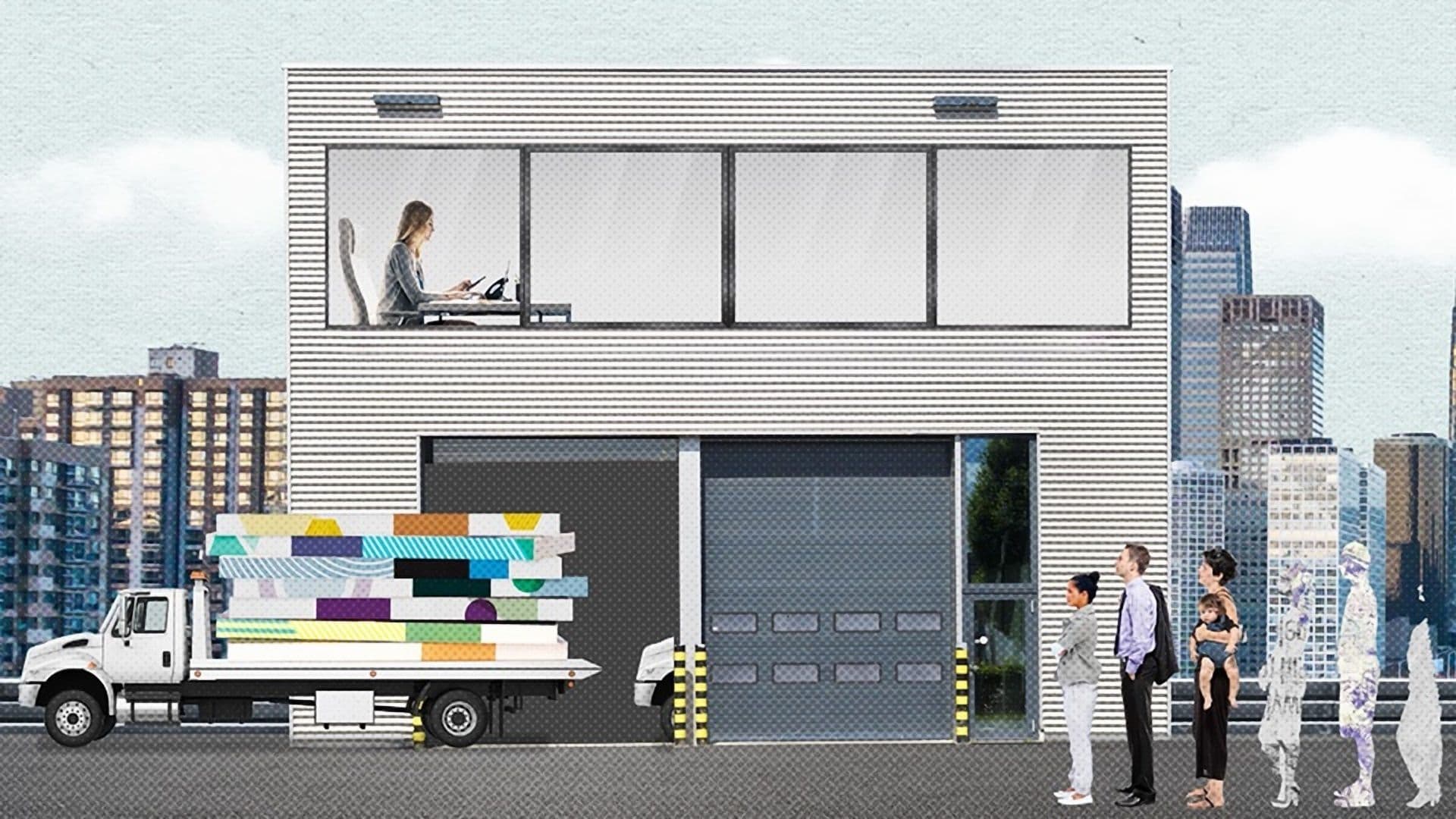
Data centre hardware is built with durability and modularity in mind, allowing parts to be replaced without discarding entire systems. Once equipment reaches the end of its initial lifecycle, it is sent to specialized circular centres in locations such as Amsterdam, Dublin, and the United States.
Here, decommissioned hardware is carefully evaluated. Usable components are tested, refurbished, and redeployed into Microsoft’s operations. Parts that cannot be reused internally are shared with third parties or educational institutions, while the rest are recycled responsibly.
This approach is already delivering results. In 2024, Microsoft achieved a 90.9% reuse and recycling rate for its cloud hardware, surpassing its 90% target. More than 3.2 million components were reused during the year, and 85% of demand for outdated spare parts was met using existing inventory.
Alleviating Waste and Enhancing Efficiency
By focusing on data centre waste reduction, Microsoft is also improving operational efficiency. Reusing components reduces the need for new manufacturing, cutting both material consumption and emissions linked to production.
The company’s “reduce, reuse, recover” approach also strengthens supply chains. As demand for computing power rises, driven in part by AI and digital services, ensuring access to critical components becomes increasingly important. Circular practices help maintain this balance by keeping valuable materials in circulation.
Microsoft leaders highlight that making sustainability easy to implement is key. Simplifying processes and embedding sustainable choices into daily operations allows teams to adopt these practices without disrupting performance.
Extending Impact Through AI
Beyond infrastructure, Microsoft is using its data centres to support environmental initiatives powered by AI. These facilities enable large-scale data processing for projects that monitor ecosystems and respond to climate risks.
In California, the ALERTCalifornia programme uses connected cameras and sensors to detect wildfire threats in real time. In rainforest regions, Project SPARROW combines solar-powered systems with AI to track wildlife activity.
The company is also collaborating with global partners, including the United Nations Framework Convention on Climate Change, to build tools like the Climate Data Hub. This platform brings together climate data from nearly 200 countries, making it easier for decision-makers to analyze trends and take action.
A Multi-Layered Sustainability Approach
Microsoft’s progress shows that reducing waste in data centres is not a single solution but part of a broader system. From eliminating plastics to improving hardware reuse and enabling AI-driven environmental monitoring, the company is combining multiple strategies to drive impact.
Also Read: 7 Green IT Solutions Cutting Technology Carbon Footprint
As cloud demand continues to rise, initiatives like circular data centre design and cloud hardware recycling are likely to play a critical role in making digital infrastructure more sustainable.
Follow more news and views via our Sustainable Finance & Technology and Featured Articles sections, and stay updated on the top ESG events to attend in 2026 for industry insights and networking.
If you're looking for suitable ESG and Sustainability providers to share customized solutions specific to your business needs, you can check out KnowESG's Solutions page.
If you are an ESG provider looking to get your organization listed on our portal, visit this page.
Source: DataCentreMAGAZINE