Chemical Recycling Breakthrough: Prysmian, Versalis Tackle Plastic Cable Waste

Takeaways
- Prysmian and Versalis have launched a closed-loop chemical recycling chain to tackle hard-to-recycle plastic cable waste in Italy.
- The partnership aims to convert complex cable scrap into new polymers for next-generation energy cables, supporting circular economy goals.
- If successful, the model could be scaled across Europe as cable waste volumes rise with grid upgrades and renewable expansion.
Prysmian and Versalis have signed a strategic partnership to address one of the cable industry’s most persistent waste problems: Recycling complex plastic insulation layers used in energy cables. The agreement establishes a closed-loop chemical recycling supply chain that will convert plastic cable waste into new polymers, anchoring the initiative in Italy and positioning it as a potential model for wider European adoption.
The collaboration brings together one of the world’s largest cable manufacturers and the chemicals arm of Eni at a time when regulators and industrial customers are demanding more credible circular economy solutions across energy infrastructure.
From Cable Waste to New Polymers
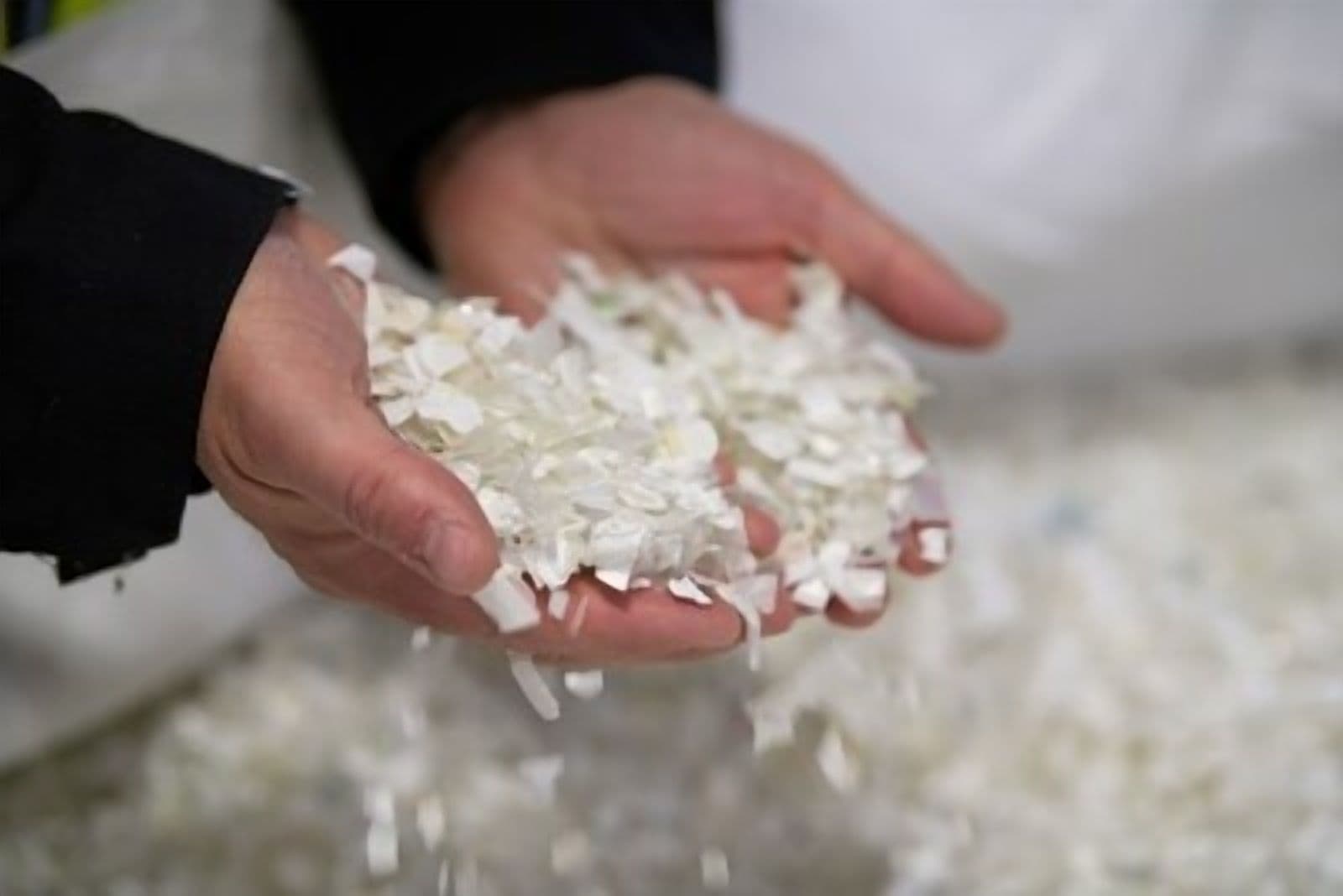
Under the agreement, Prysmian will collect plastic scrap generated from its own manufacturing processes as well as from decommissioned cables recovered from major customers. This includes materials that have long been difficult or uneconomic to recycle, especially cross-linked polyethylene (XLPE), widely used to insulate high-performance energy cables.
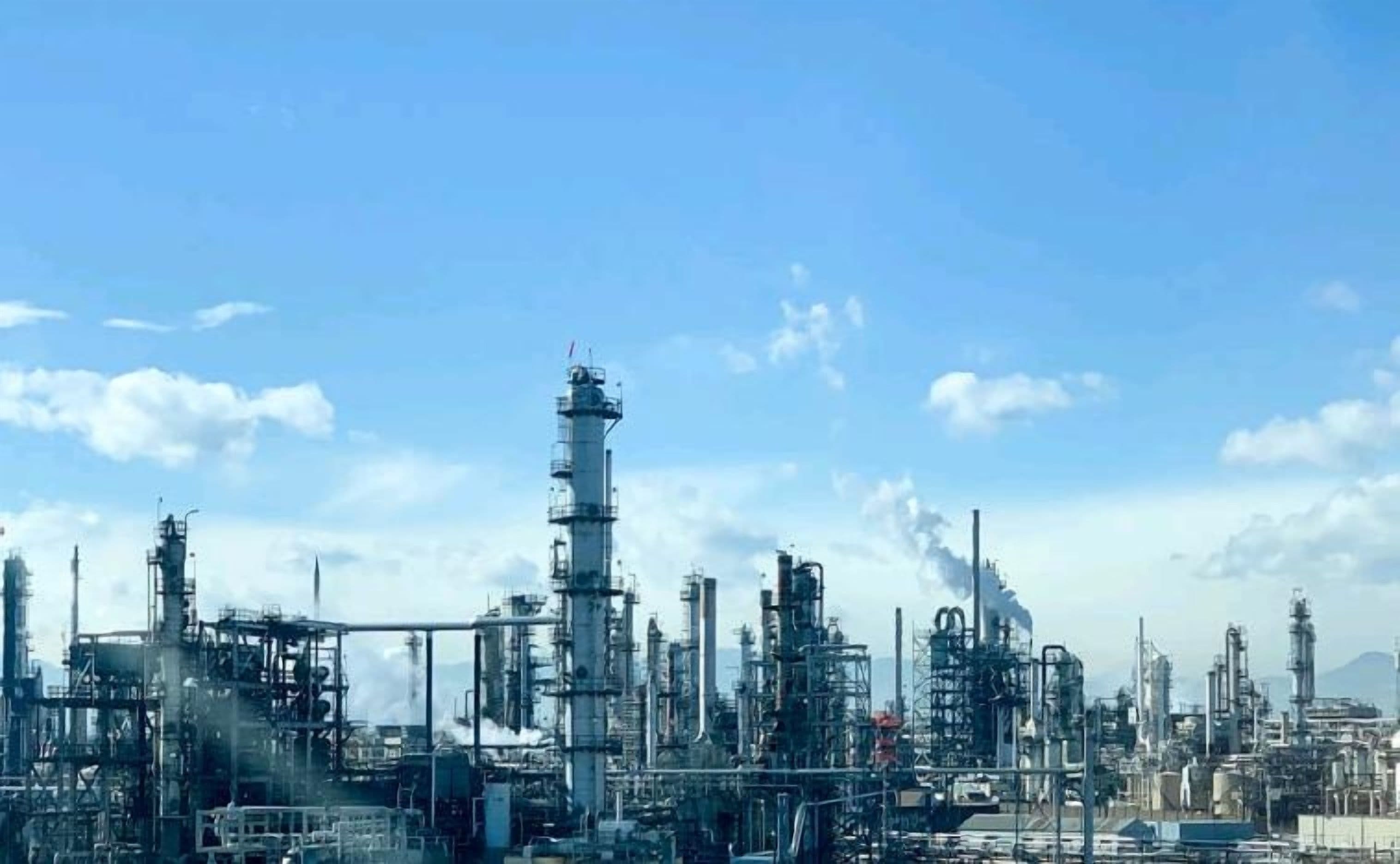
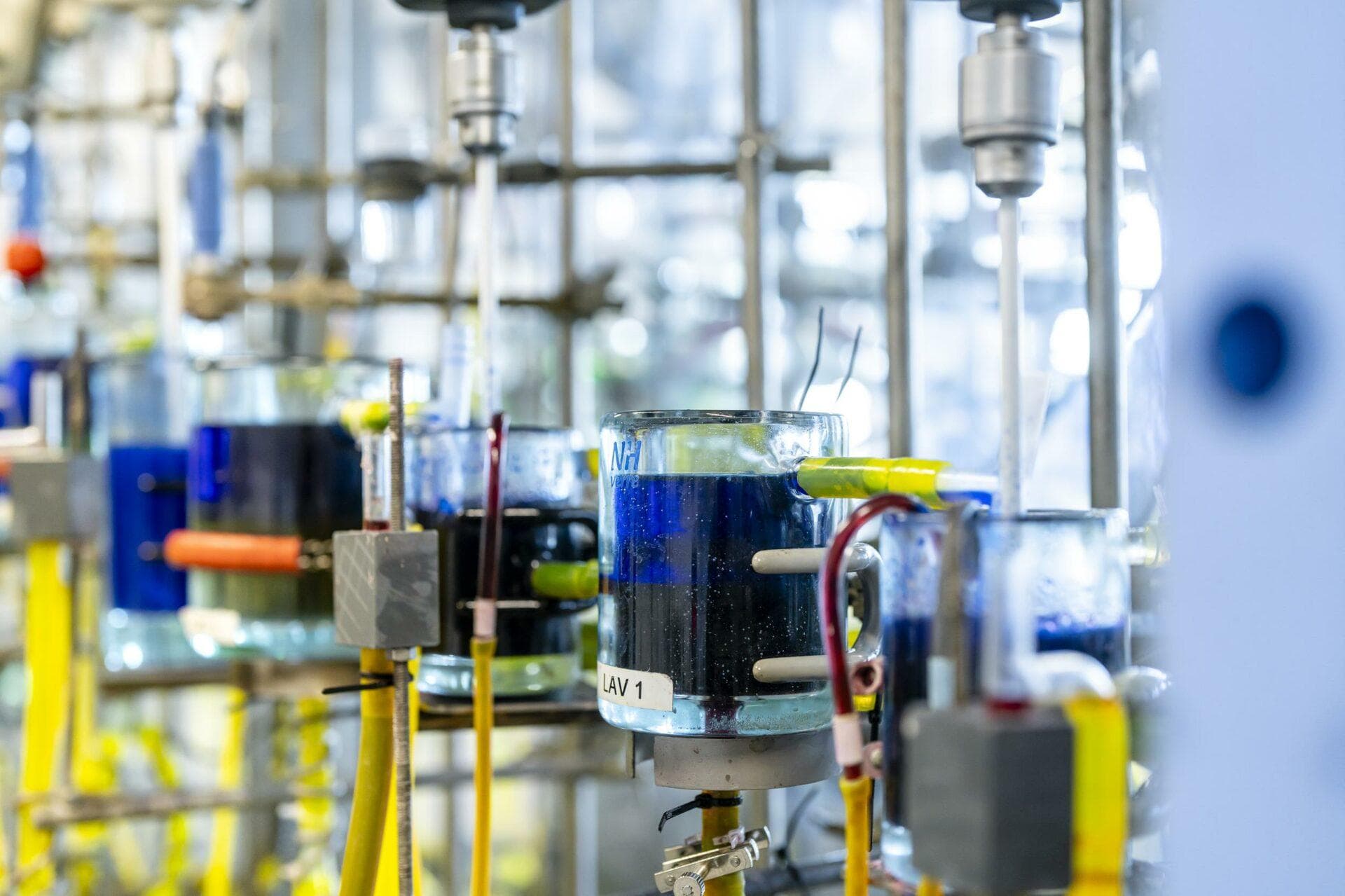
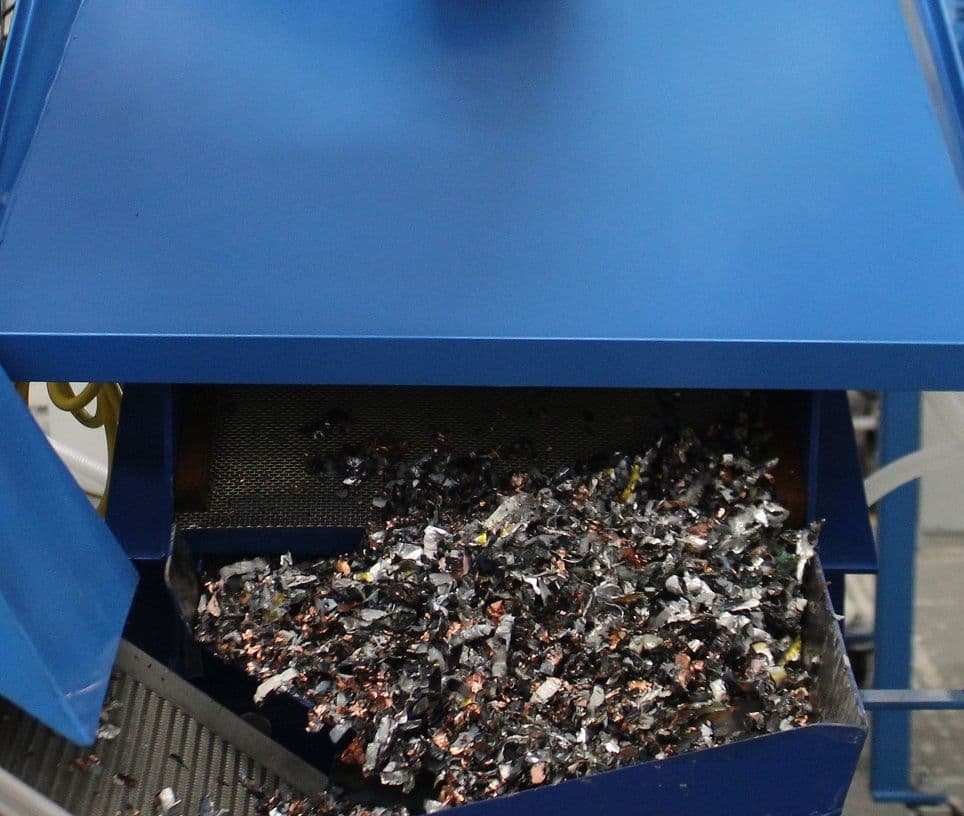
Versalis will process the waste at its Mantua facility using its proprietary Hoop® chemical recycling technology. The process converts mixed and cross-linked plastic waste into pyrolysis oil, which is then transformed into feedstock for producing new plastic polymers. Prysmian will reintroduce these polymers into its cable manufacturing operations, effectively closing the material loop.
Energy cables often contain multiple polymer layers bonded together, making mechanical recycling impractical. Chemical recycling offers a way to recover value from these materials without compromising the performance requirements of new cables.
Read More: NTU Scientists Find Safe Method to Recycle E-Waste Plastic
Expanding Chemical Recycling across the Cable Industry
According to the companies, around 60% of XLPE scrap processed through the Hoop® system is expected to be repurposed into reusable material for new cable production. For an industry where recycling rates for cross-linked plastics have remained low, this represents a significant advance.
For the first time, the partners say, a cross-linked cable with all polymeric layers combined can be chemically recycled at scale. This capability is increasingly important as Europe faces rising volumes of cable waste driven by grid upgrades, renewable energy expansion, and the replacement of ageing infrastructure.
The pilot phase of the project is scheduled to begin in Italy in the second half of 2026, with scope for expansion depending on technical performance and supply chain economics.
Corporate Strategy and Sustainability Goals
The partnership aligns closely with both companies’ sustainability strategies. For Prysmian, reducing Scope 3 emissions and material intensity across its supply chain has become a growing priority as customers assess lifecycle impacts alongside technical performance.
Srinivas Siripurapu, Chief Sustainability, Innovation and R&D Officer at Prysmian, said the project would “give new life to old scrap” while helping reduce supply chain emissions.
For Versalis, the initiative supports Eni’s broader push to reposition its chemicals business around circularity, advanced recycling technologies, and lower-carbon industrial processes.
Also Read: Grassroots Recycling Movement Grows with Precious Plastic
Impact on Policy, Finance, and the Industry
The initiative comes as the European Union tightens rules on waste, recycling, and sustainable product design under frameworks such as the Circular Economy Action Plan. Industrial-scale solutions for hard-to-recycle plastics are expected to play a larger role as compliance costs rise and landfill options narrow.
While the project’s initial focus is Italy, its implications extend beyond national borders. As grid investment accelerates across Europe, the ability to recover and reuse materials from retired infrastructure could become a defining factor in the sustainability performance of energy supply chains.
Follow more news and views via our Sustainable Finance & Technology and Featured Articles sections, and stay updated on the top ESG events to attend in 2025 for industry insights and networking.
If you're looking for suitable ESG and Sustainability providers to share customized solutions specific to your business needs, you can check out KnowESG's Solutions page.
If you are an ESG provider looking to get your organization listed on our portal, visit this page.
Source: ESG NEWS