Carbon Removal Credits from Mast Reforestation Project Sell Out Fast

Takeaways
- Mast Reforestation sold all 4,277 carbon removal credits from its Montana project in under six weeks.
- The project uses biomass burial to prevent emissions and support post-wildfire forest recovery.
- Revenue from credit sales is already funding reforestation efforts on the ground.
Mast Reforestation has rapidly sold out carbon removal credits from its latest U.S. reforestation initiative, highlighting growing demand for high-quality climate solutions. The company confirmed that all 4,277 credits generated from its Montana-based biomass burial project were purchased in less than six weeks after issuance.
The buyers include major global players such as Bain & Company and BMO, alongside earlier participants like Royal Bank of Canada (RBC), CNaught, Muir AI, and other corporate climate investors. The swift sell-out reflects rising interest among organizations seeking credible carbon removal options to address residual emissions.
Founded in 2016 and based in Seattle, Mast Reforestation focuses on restoring forests damaged by wildfires and other natural events. Since 2020, the company has increasingly relied on carbon-financed reforestation projects across the U.S. and Canada to scale its operations.
Read More: Top 8 Carbon and Climate Solutions Leading Climate Action
At the center of this latest success is Mast’s innovative approach known as biomass burial. Instead of burning fire-damaged trees, a common post-wildfire practice that releases stored carbon into the atmosphere, the company buries the biomass. This process prevents emissions, locks carbon underground, and enables the generation of carbon removal credits. At the same time, it prepares the land for new forest growth.
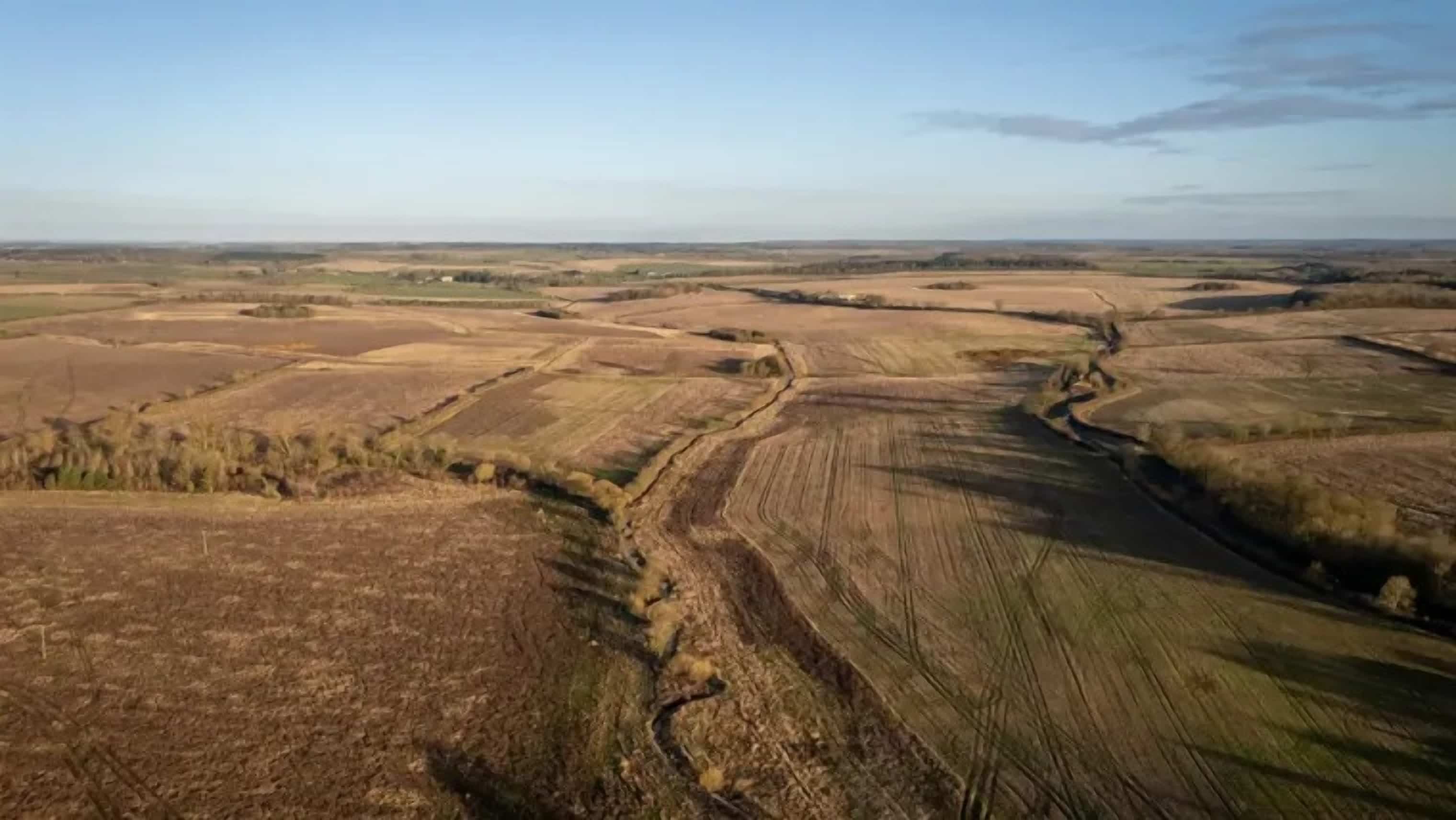
The project, named Mast Wood Preserve MT1, was launched in 2025 in southern Montana. It aims to restore around 900 acres of forestland impacted by a severe wildfire in 2021. The initiative marks Mast’s first restorative biomass burial project and represents a new model for combining carbon removal with ecosystem recovery.
The credits were issued in January 2026 under the Puro.earth Registry, using its Terrestrial Storage of Biomass (TSB) methodology. According to the company, the project achieved one of the fastest development timelines in the carbon removal sector, moving from construction to credit issuance in just nine months.
Grant Canary, CEO of Mast Reforestation, said the rapid sell-out demonstrates the viability of this approach. He noted that the project delivered verified carbon removal in months rather than years, with revenue now being reinvested into restoration activities.
Importantly, Mast said MT1 is the first Biomass Carbon Removal and Storage (BiCRS) project where carbon credit revenues are directly funding post-wildfire recovery. Tree planting and restoration work are already underway at the site, supported by proceeds from the credit sales.
The company is now planning to expand its efforts across western North America. It expects to complete a second project in 2026, with credit issuance likely in 2027. Over the longer term, Mast aims to scale its operations to remove up to 150,000 tons of carbon annually by 2030.
Also Read: Qantas Invests in Nature-Based Carbon Projects in Australia
Industry participants view projects like MT1 as a promising step toward scaling durable carbon removal while delivering environmental and community benefits. The strong response from buyers suggests that demand for such solutions will continue to grow as companies intensify their climate commitments.
Follow more news and views via our Sustainable Finance & Technology and Featured Articles sections, and stay updated on the top ESG events to attend in 2026 for industry insights and networking.
If you're looking for suitable ESG and Sustainability providers to share customized solutions specific to your business needs, you can check out KnowESG's Solutions page.
If you are an ESG provider looking to get your organization listed on our portal, visit this page.
Source: ESGtoday