Boeing Carbon Removal Deal: 20,000 Tons of Biochar and ERW Credits Secured

Takeaways
- Boeing has signed a deal to purchase 20,000 tons of durable carbon removal credits through a curated portfolio.
- The credits come from biochar and enhanced rock weathering (ERW) projects across developing countries.
- The move supports Boeing’s strategy to tackle hard-to-reduce emissions, especially from business travel.
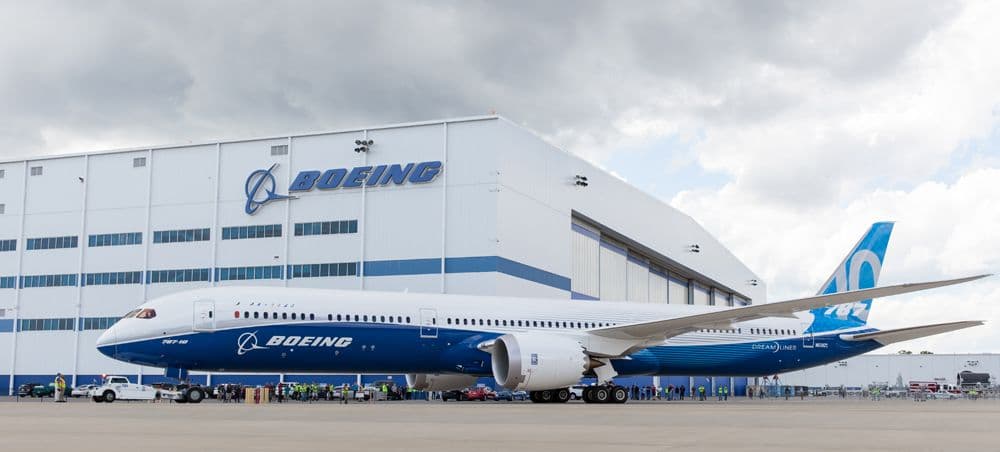
In a fresh step toward tackling emissions, Boeing has agreed to purchase 20,000 tons of durable carbon dioxide removal (CDR) credits. The deal was facilitated by carbon removal marketplace Supercritical and draws from a mix of biochar and enhanced rock weathering (ERW) projects.
The portfolio has been assembled from suppliers operating in developing regions, including Brazil, Bolivia, Namibia, and India. These projects focus on scalable carbon removal methods that also deliver environmental co-benefits such as improved soil health and better agricultural output.
Read More: Zurich Expands Carbon Removal Strategy With Parallel Carbon Partnership
Biochar involves converting organic waste into a stable form of carbon that can be stored in soil, while ERW accelerates natural processes that lock carbon dioxide into minerals. Both approaches are gaining attention as practical solutions for long-term carbon removal.
Supercritical worked closely with Boeing to build a diversified and high-quality portfolio. Instead of choosing from a fixed list of projects, the process began with strict criteria. More than 200 projects were evaluated using a detailed scientific framework covering factors like additionality, permanence, measurability, and readiness for deployment.
The final selection includes six suppliers: Exomad Green, Ground Up, InPlanet, NetZero, Varaha, and PlanBoo. These companies represent a mix of technologies and geographies, helping spread risk while ensuring consistent quality.
According to Supercritical’s CEO, Michelle You, this approach reflects a shift in how companies are buying carbon removal. Rather than simply picking available projects, leading buyers are now focusing on quality benchmarks and relying on expert partners to build portfolios that meet those standards.
This agreement follows Boeing’s earlier commitments to purchase 80,000 tons of carbon removal credits from other providers. Together, these moves signal a growing investment in high-integrity carbon removal solutions.
Boeing plans to use the credits to address its residual Scope 3 emissions, particularly those linked to business travel. These emissions are among the hardest to eliminate, making carbon removal an important tool in the company’s broader sustainability strategy.
Also Read: Carbon Capture Market Forecast: Policy Shifts Fuel Global Growth
The aerospace giant has already been offsetting Scope 1 and Scope 2 emissions from its operations since 2020. More recently, it announced an “avoid first, remove second” approach, prioritizing direct emission reductions while using carbon removal to handle what cannot yet be eliminated.
Company executives say the latest deal supports both climate goals and the responsible growth of the aviation sector, especially as global air travel demand continues to rise.
Follow more news and views via our Sustainable Finance & Technology and Featured Articles sections, and stay updated on the top ESG events to attend in 2026 for industry insights and networking.
If you're looking for suitable ESG and Sustainability providers to share customized solutions specific to your business needs, you can check out KnowESG's Solutions page.
If you are an ESG provider looking to get your organization listed on our portal, visit this page.
Source: ESGtoday