Bangladesh Agroforestry Carbon Credits: Farmers Earn From First Verra Issuance

Takeaways
- Bangladesh has issued its first agroforestry carbon credits under the Verra framework, enabling direct carbon revenue for smallholder farmers.
- The project links mango-based agroforestry, land restoration, and climate finance, with support from global and national partners.
- The model, backed by the World Bank Group’s 2030WRG, is set to scale from 160 farms to a planned 30,000 hectares.
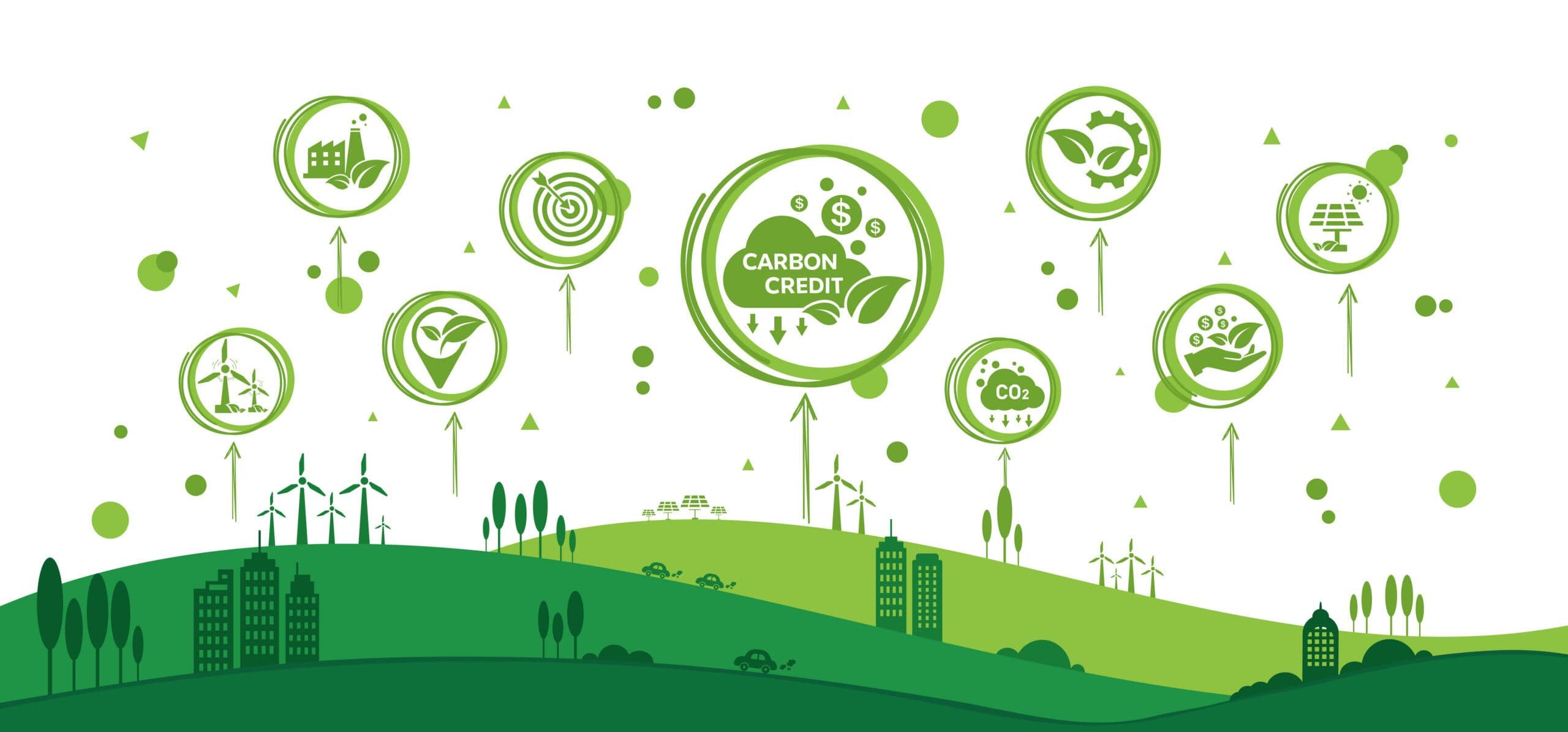
Bangladesh has marked a major step in Bangladesh agroforestry carbon credits by issuing its first set of agroforestry carbon credits under the Verified Carbon Standard (VCS) of Verra. The development allows smallholder farmers to directly benefit from Verra carbon credits in Bangladesh initiatives through measurable climate action.
The credits were issued under VCS Project 4456, developed by Varaha ClimateAg Private Limited in partnership with Sustainable Agriculture Foundation Bangladesh. So far, the project has generated more than 60,000 carbon credits from 160 demonstration farms, creating one of the country’s first structured pathways for smallholder farmers' carbon revenue in Bangladesh.
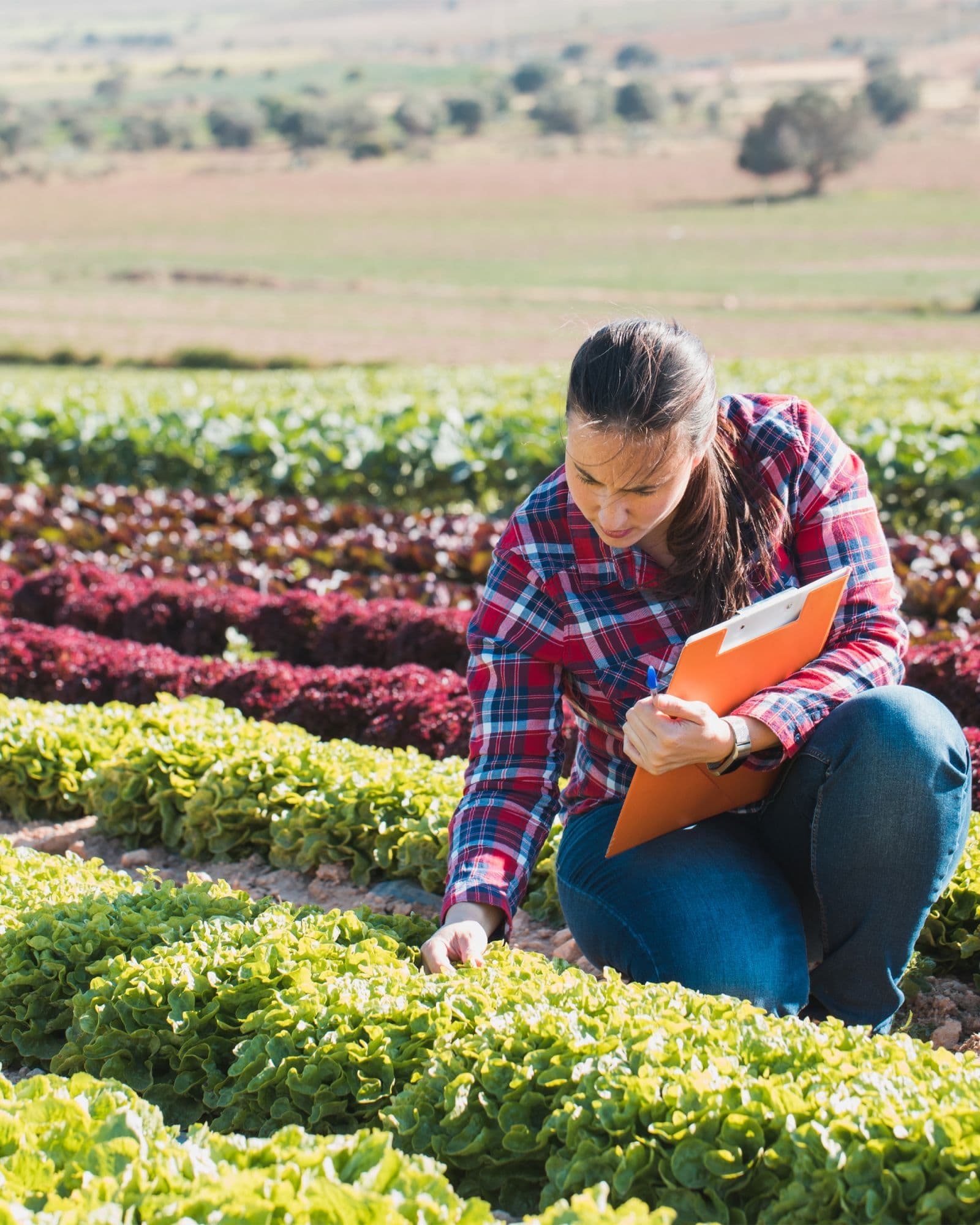
At its core, the initiative connects agroforestry carbon finance in Bangladesh with rural livelihoods. Farmers are restoring degraded land, improving water efficiency, and adopting high-density mango-based agroforestry systems. The approach promotes mango agroforestry Bangladesh practices that combine long-term perennial crops with climate resilience, aiming to show that small farms can benefit from higher-value land use when supported by technical expertise and finance.
Read More: Carbon & Emissions Accounting: Tracking, Reporting, and Software
One of the biggest barriers for farmers has been the long wait before mango plantations generate income, often up to four years. For subsistence households, this delay makes adoption difficult. The introduction of carbon finance helps bridge this gap. Project developers expect hundreds of thousands of dollars in carbon-linked revenue to reach farmers in 2026, with further payments as additional carbon credit vintages are sold. This strengthens the broader Bangladesh carbon market by tying it directly to agricultural transition and income stability.
The project also received technical support from 2030WRG under the World Bank Group. The support helped build and test water-efficient, high-density mango farming models suited to smallholder conditions. What began as a pilot across demonstration farms is now being expanded toward a 30,000-hectare target.
Md. Farhad Zamil, Executive Director at SAF Bangladesh, described the milestone as significant for both the partnership and farmers. He noted that the issuance represents a tangible step forward in linking smallholder agriculture with global carbon systems.
For policymakers and investors, the project highlights how climate finance in Bangladesh’s agriculture can move beyond offset markets into direct rural transformation. Agroforestry systems that combine verified carbon reductions with income generation and land restoration are increasingly seen as more credible and impactful.
However, the success of such models will depend on scaling responsibly. Expanding from 160 farms to thousands of hectares will require strong governance, continued farmer engagement, and steady demand for credits. Transparency in measurement and fair revenue-sharing will also be critical to maintaining trust in the system.
Also Read: CaixaBank Carbon Credit Platform Opens New Route for Emissions Offsetting
Still, the first issuance gives Bangladesh an important foothold in global nature-based finance. If the model continues to perform, it could serve as a blueprint for other climate-vulnerable countries seeking to align smallholder farming with international carbon markets while improving rural resilience.
Follow more news and views via our Sustainable Finance & Technology and Featured Articles sections, and stay updated on the top ESG events to attend in 2026 for industry insights and networking.
If you're looking for suitable ESG and Sustainability providers to share customized solutions specific to your business needs, you can check out KnowESG's Solutions page.
If you are an ESG provider looking to get your organization listed on our portal, visit this page.
Source: ESG NEWS