Australia Strengthens $53.8B Sustainable Debt Market With Taxonomy Guidance

Takeaways
- Australia has released new guidance to support the adoption of its sustainable finance taxonomy, helping direct capital toward climate-aligned sectors.
- The framework supports a growing $53.8B sustainable debt market, strengthening transparency and investor confidence.
- Major financial institutions have already tested the taxonomy, signalling readiness for wider market use.
Australia has taken a major step toward strengthening its sustainable finance ecosystem with new guidance designed to help the country’s taxonomy move from policy into practical use. The initiative aims to improve how climate-aligned activities are identified and financed, supporting growth across the sustainable debt market, which reached $53.8 billion in 2025.
The guidance was introduced by the Australian Sustainable Finance Institute (ASFI) and provides practical direction on how to issue taxonomy-aligned debt instruments. It focuses on use-of-proceeds structures such as green bonds and sustainability bonds, helping issuers clearly demonstrate how funds are used for environmentally sustainable activities.
Read More: How Sustainable Debt Is Evolving: 11 Key Trends for 2026
Turning Policy Into Action
The framework was developed in collaboration with the Australian Treasury, debt managers, and the New Zealand Treasury. It creates a consistent approach for applying the Australian sustainable finance taxonomy across bond and loan markets, where most climate-focused financing takes place.
Taxonomies are increasingly used worldwide to define what qualifies as environmentally sustainable. However, inconsistent application has often limited their impact. By offering clear guidance, Australia aims to ensure that financing decisions are more transparent and aligned with national climate priorities.
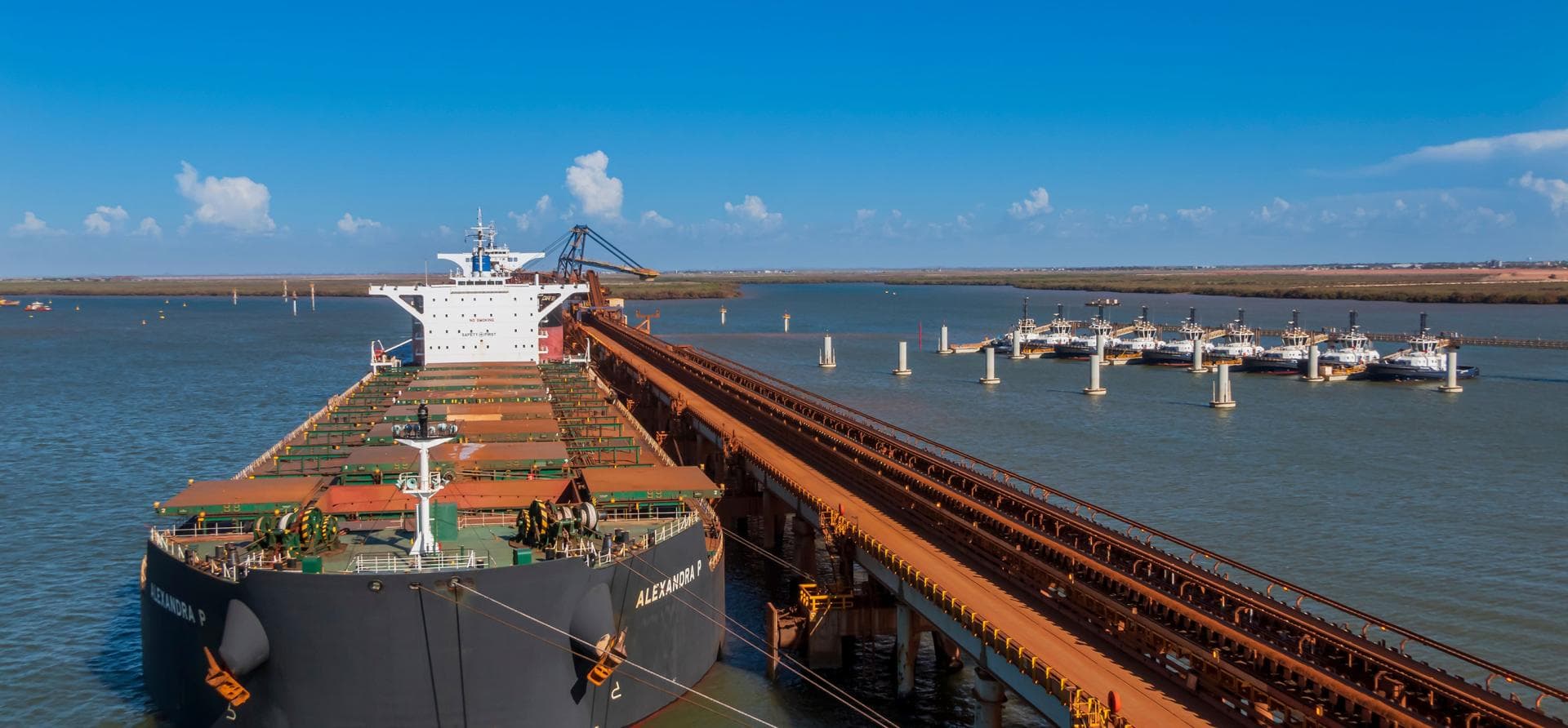
ASFI Chief Executive Officer Kristy Graham said the focus has now shifted from developing the framework to implementing it across markets. Over the past year, the taxonomy has been tested with several large financial institutions to ensure it reflects the structure of Australia’s economy, including sectors such as mining and agriculture that are traditionally difficult to decarbonize.
Resilient Market Growth Amid Global Slowdown
The guidance comes at a time when Australia’s sustainable finance market continues to grow, even as global issuance slows. Sustainable debt reached $53.8 billion in 2025, representing an 11% increase compared to the previous year.
Use-of-proceeds instruments remain central to this growth. These financing tools allow capital to be directed toward specific sustainability projects, including renewable energy, low-carbon infrastructure, and water management.
Nicole Yazbek-Martin, Executive Manager at ASFI, noted that practical usability was a key priority when designing the guidance. The framework helps ensure that sustainable finance instruments align with credible definitions of environmental performance, improving consistency across the market.
Institutional Engagement Indicates Market Readiness
The taxonomy has already been tested through pilot programs involving 11 major financial institutions, including ANZ, Commonwealth Bank of Australia, Westpac, Rabobank, and Moody’s Ratings.
This participation indicates growing confidence that the taxonomy can support real-world financing decisions. Ratings agencies are also beginning to incorporate taxonomy alignment into risk assessments, further encouraging adoption.
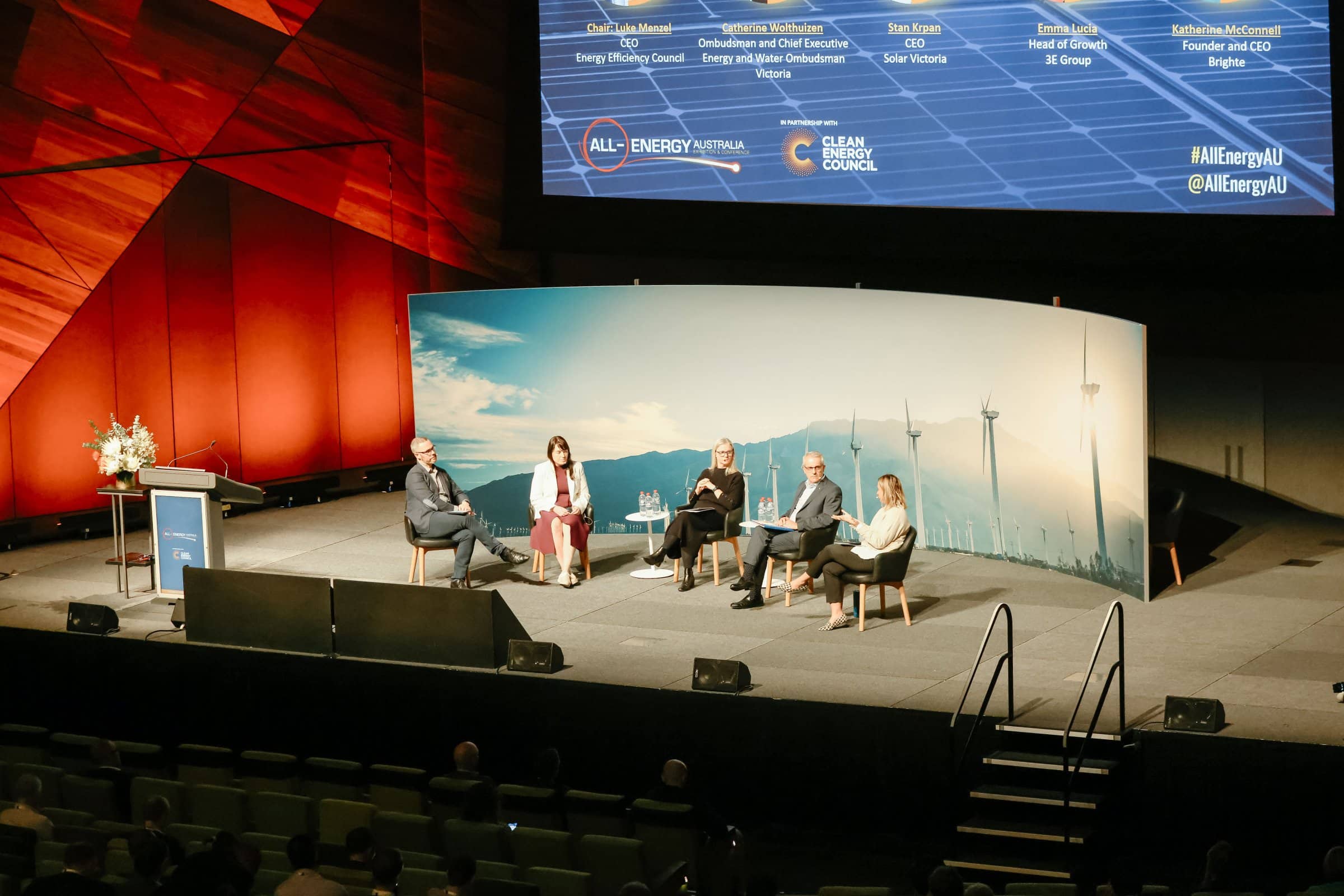
The guidance was introduced at a launch event in Sydney co-hosted with Moody’s Ratings, bringing together representatives from government, finance, and industry. The collaboration reflects a broader effort to embed sustainable finance standards across public and private markets.
Implications for Investors and Businesses
For businesses and investors, taxonomy alignment is becoming increasingly important. Access to capital may increasingly depend on demonstrating clear links to climate goals and credible sustainability frameworks.
Australia’s taxonomy also supports sectors that have historically struggled to attract green financing. Clear technical criteria now provide pathways for industries such as mining and agriculture to qualify for sustainable investment.
Also Read: Sustainable Finance Market Size Set to Double by 2031, Green Bonds Dominate
As global markets continue to develop their own taxonomies, interoperability will be key. Investors are seeking greater comparability across regions, and Australia’s approach may help improve international alignment.
Further updates, including insights from the pilot program, are expected later this year. The next phase will determine how effectively the framework scales across industries and whether it can attract global capital needed to support the transition to a low-carbon economy.
Follow more news and views via our Sustainable Finance & Technology and Featured Articles sections, and stay updated on the top ESG events to attend in 2026 for industry insights and networking.
If you're looking for suitable ESG and Sustainability providers to share customized solutions specific to your business needs, you can check out KnowESG's Solutions page.
If you are an ESG provider looking to get your organization listed on our portal, visit this page.
Source: ESG NEWS