Are Recycled Plastic Packaging Labels Misleading European Consumers?

Takeaways
- Many European brands label plastic packaging as “recycled” or “circular,” even though it is largely fossil-based.
- Industry-backed accounting methods allow minimal recycled input to be marketed as 100% recycled content.
- Looser EU and UK rules risk legitimizing what experts describe as large-scale greenwashing from 2026 onward.
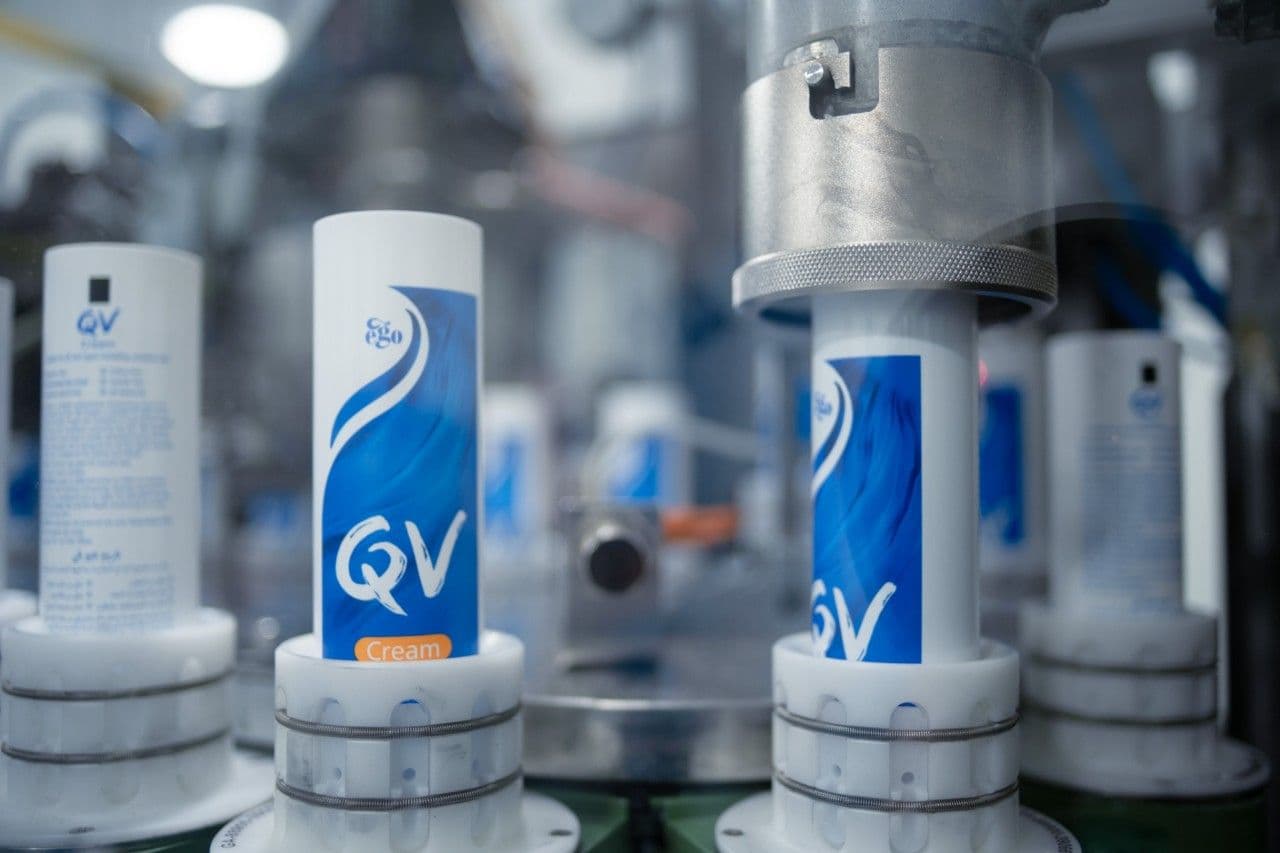
European supermarket shelves are filled with products claiming to use sustainable or recycled plastic packaging. But new evidence suggests that many of these claims are misleading, with most packaging still made almost entirely from fossil fuels.
Major food brands, including Kraft Heinz and Mondelēz, rely on plastic produced by Sabic, the petrochemical arm of Saudi Aramco. The oil giant is the world’s largest corporate greenhouse gas emitter and has opposed limits on plastic production under the proposed UN plastic treaty.
Sabic and other petrochemical firms have promoted their plastics as “circular” and climate-friendly, despite only a tiny fraction being derived from actual plastic waste. Experts say this strategy allows fossil-based plastic to be rebranded as a sustainability solution, even as it worsens the plastic pollution and climate crises.
Read More: The Future of Sustainable Packaging: Embracing Eco-Friendly Solutions
At the centre of the issue is chemical recycling, particularly a process called pyrolysis. This method converts plastic waste into pyrolysis oil, which is then used as a feedstock to make new plastic. However, pyrolysis oil typically makes up no more than 5% of the total input. The remaining 95% is virgin naphtha, a petroleum-based material needed to protect industrial cracking plants.
“The whole process is labelled as plastic recycling, while fossil fuel use expands because virgin feedstock must be added,” said Helmut Maurer, a former senior expert at the European Commission.
Despite this, companies are legally allowed to market products as fully recycled using mass-balance accounting. Under this system, recycled input is mathematically allocated to specific batches, even if the final plastic contains no physical recycled material. For example, a small amount of recycled feedstock can be credited to a limited number of products, which are then sold as “100% recycled”.
“This is unfair to consumers– recycled content should be physically part of the final product,” said Lauriane Veillard of Zero Waste Europe.
Another controversial method is avoided emissions accounting, which assumes that recycling prevents plastic waste from being incinerated. By subtracting these hypothetical emissions, companies can claim carbon savings. Yet Sabic’s own life cycle assessment (LCA) admits that the full recycling process emits 6% to 8% more carbon than producing plastic from fossil fuels. The climate benefit only appears after counting avoided incineration.
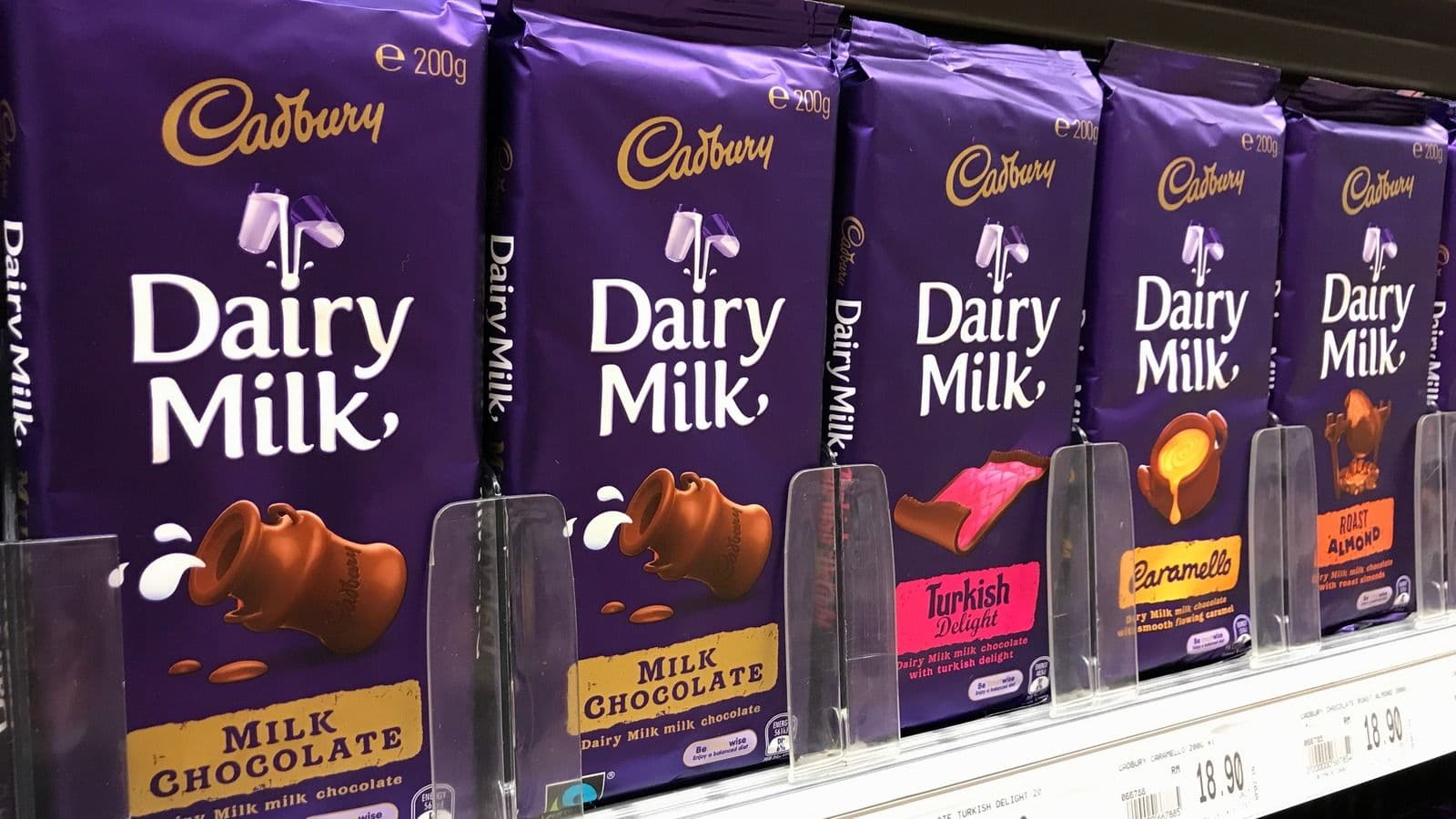
Also Read: 50% Recycled Plastic for Choc Wrappers, Says Cadbury
Independent researchers question the reliability of such LCAs, noting close ties between reviewers and the companies being assessed. Critics argue that LCAs are often structured to deliver favourable results rather than reflect real-world emissions.
“The overestimated carbon savings follow the downstream value chain, amplified by mass-balance credit, to packaged products, potentially making consumer brands’ statements unreliable and misleading,” said Margaux Le Gallou of the NGO Ecos.
Under pressure from industry lobbying, the EU is expected to legalize mass-balance labelling from 2026, with similar UK rules due in 2027. This could allow brands to meet recycled-content targets on paper, even as oil companies expand virgin plastic production.
With demand for fossil fuels expected to fall, the International Energy Agency warns that plastics may become a key growth driver for oil majors, raising further concerns about the future of truly sustainable packaging.
Follow more news and views via our Sustainable Finance & Technology and Featured Articles sections, and stay updated on the top ESG events to attend in 2026 for industry insights and networking.
If you're looking for suitable ESG and Sustainability providers to share customized solutions specific to your business needs, you can check out KnowESG's Solutions page.
If you are an ESG provider looking to get your organization listed on our portal, visit this page.
Source: The Guardian