Acelen Renewables Advances Brazil SAF Biorefinery With Major Funding

Takeaways
- Acelen Renewables has secured $1.5 billion to build a major Brazil SAF biorefinery in Bahia.
- The project aims to produce 1 billion liters of sustainable aviation fuel and renewable diesel annually by 2029.
- Brazil is positioning itself as a key global supplier of low-carbon fuels amid rising demand for cleaner aviation solutions.
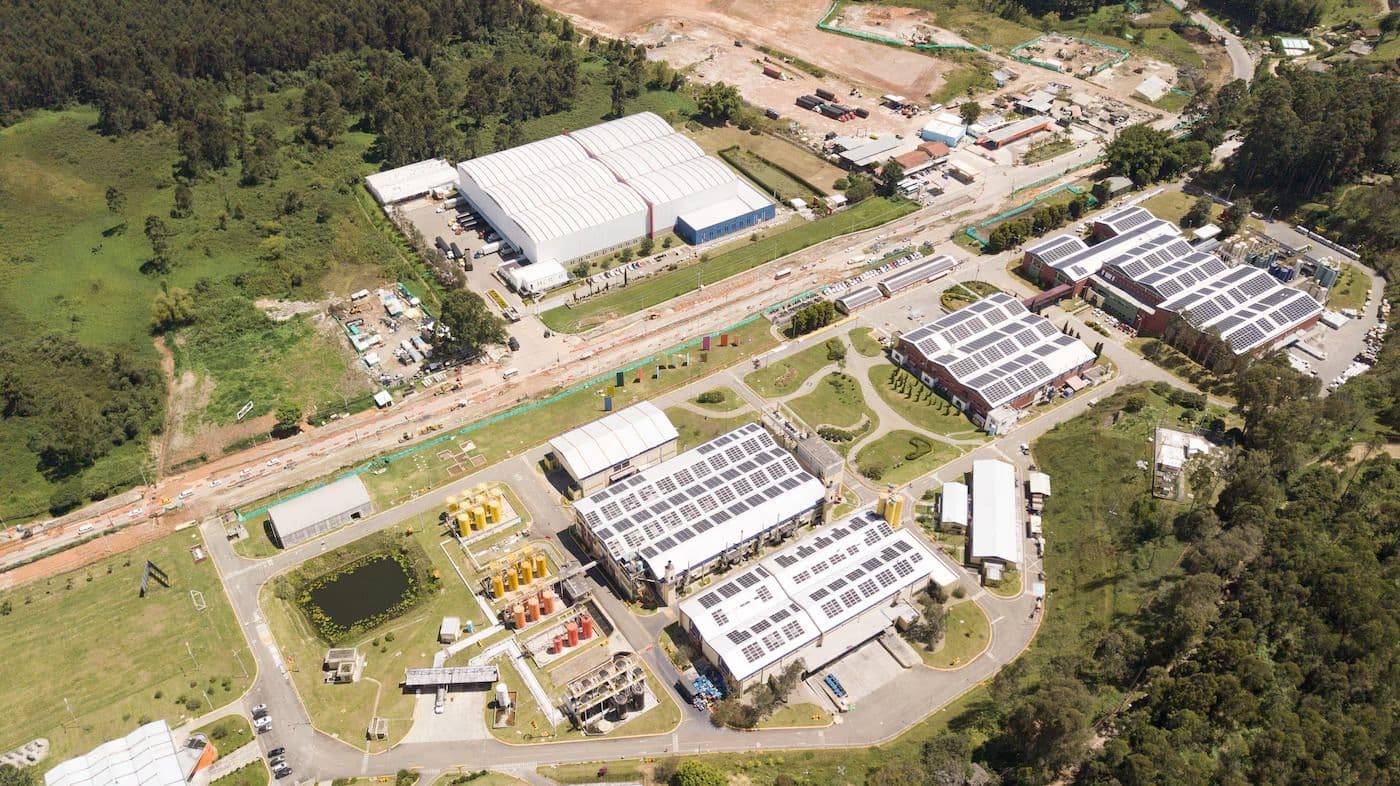
Acelen Renewables has secured $1.5 billion in financing to begin construction of a large-scale Brazil SAF biorefinery in Bahia, strengthening the country’s ambitions to become a major producer of sustainable aviation fuel.
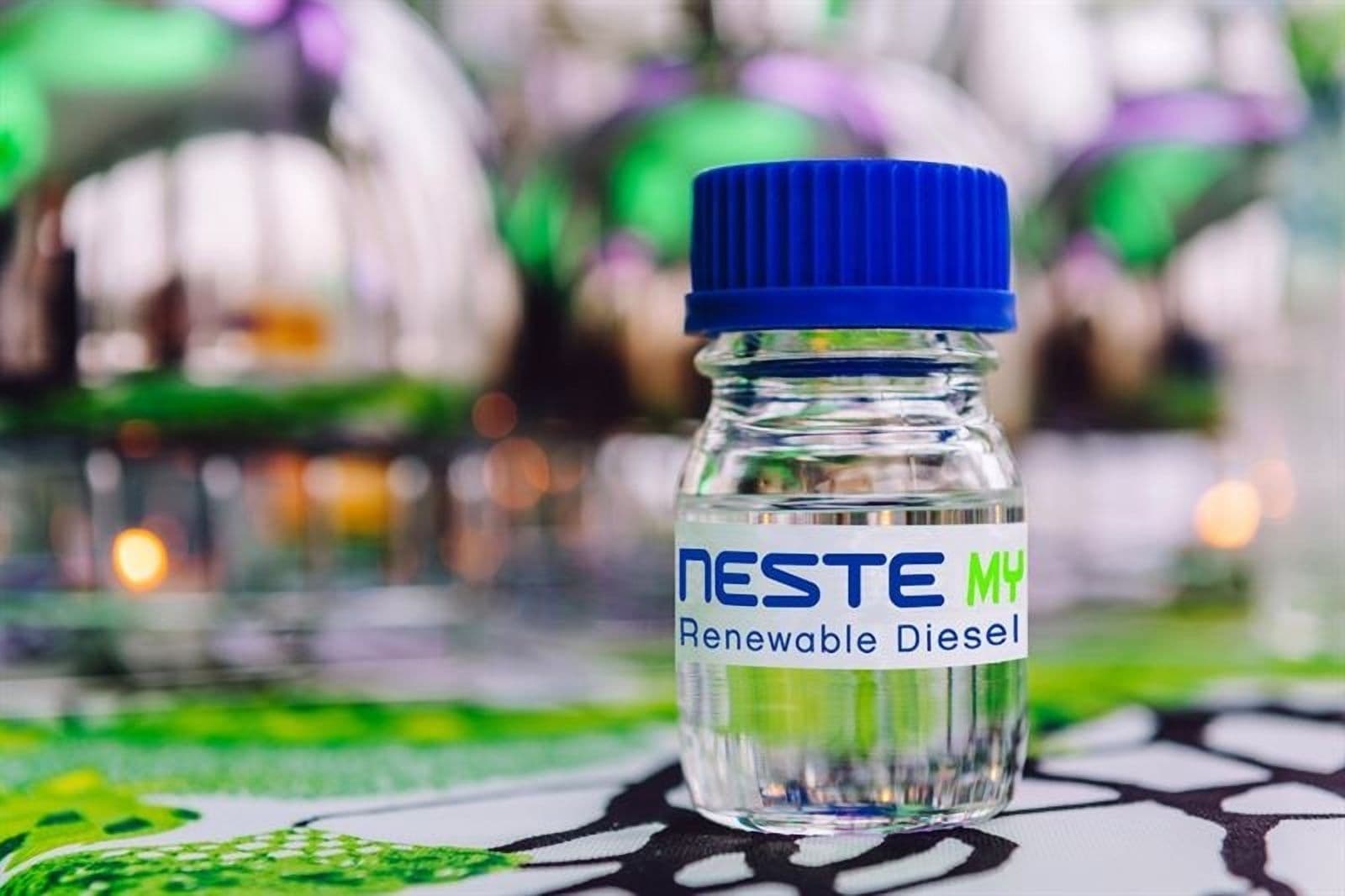
The facility, located in São Francisco do Conde, is expected to begin operations in 2029. Once completed, the plant will produce around 1 billion liters of sustainable aviation fuel (SAF) and renewable diesel every year, making it one of the largest low-carbon fuel projects in Latin America.
The financing package was arranged by a consortium led by HSBC and International Finance Corporation. Several international and regional lenders joined the group, including First Abu Dhabi Bank, Asian Infrastructure Investment Bank, BNDES, and Bank of China.
Read More: Global Carriers Unite in Fund to Expand Sustainable Jet Fuel Supply
The project forms part of a broader industrial platform valued at more than $3 billion. The integrated operation will cover farming, oil extraction, processing, and renewable fuel production. The company said the plant will use hydroprocessed esters and fatty acids (HEFA) technology, which is widely used for SAF production and renewable diesel manufacturing from oils and fats.
Acelen stated that most of the commercialization agreements for the fuels have already been secured ahead of construction. The company has also completed integrated engineering work and finalized several strategic contracts with technology and trading partners, including Honeywell UOP, Alfa Laval, and Trafigura.
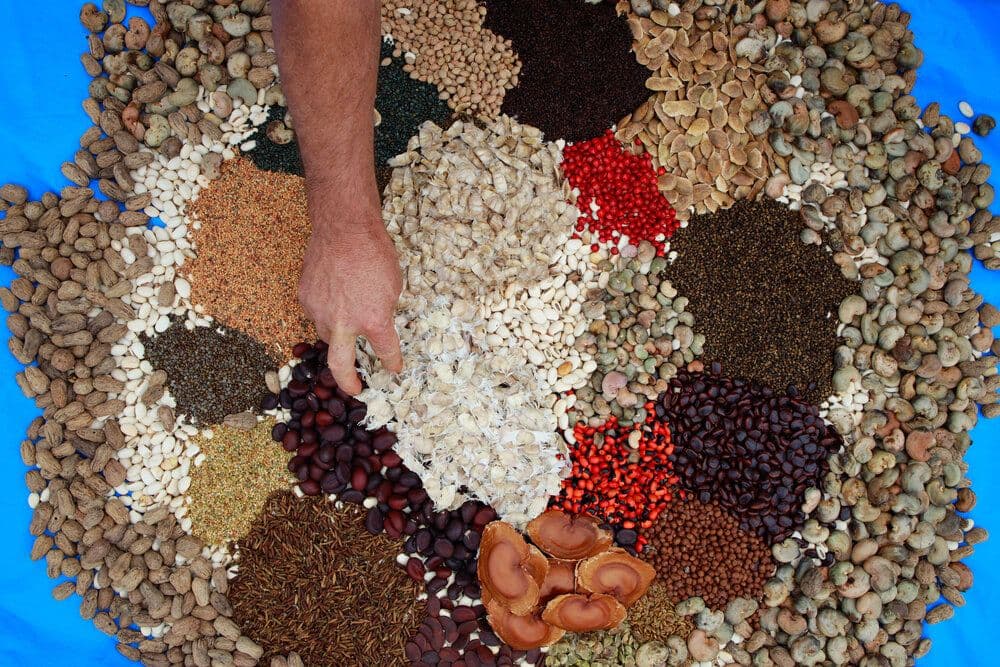
The feedstock strategy is expected to play a major role in the project’s sustainability goals. The company plans to use soybean oil, used cooking oil, and macauba, a native Brazilian crop seen as a promising source for advanced biofuels.
According to Acelen, the agricultural development will cover around 144,000 hectares of degraded land. About 20% of the area will be reserved for family farmers and small producers, creating additional rural income opportunities alongside fuel production.
The company is also investing in traceability systems to strengthen confidence in its supply chain. Earlier this year, Acelen Renewables partnered with Finboot to develop a digital monitoring platform for feedstock sourcing and emissions tracking. The system is expected to help airlines and fuel buyers verify sustainability claims and comply with international regulations.
Brazil is simultaneously moving toward clearer SAF regulations. The country’s National Agency for Petroleum, Natural Gas, and Biofuels is expected to publish new rules for SAF production and commercialization later in 2026. Industry observers believe the framework could improve investor confidence and support future biofuel investments.
Also Read: Delta Sustainability Push Accelerates with New Tech, Fuel Savings, and SAF Growth
With aviation markets in the United States and Europe tightening decarbonization requirements, Brazil is increasingly being viewed as a potential global supplier of sustainable aviation fuel. The Bahia biofuel project could help the country strengthen its position in the growing low-carbon fuels market while expanding export opportunities and rural economic development.
Follow more news and views via our Sustainable Finance & Technology and Featured Articles sections, and stay updated on the top ESG events to attend in 2026 for industry insights and networking.
If you're looking for suitable ESG and Sustainability providers to share customized solutions specific to your business needs, you can check out KnowESG's Solutions page.
If you are an ESG provider looking to get your organization listed on our portal, visit this page.
Source: ESG NEWS