COP27 and the G20 Summit
•3 min read
by Aaroshi Rathor

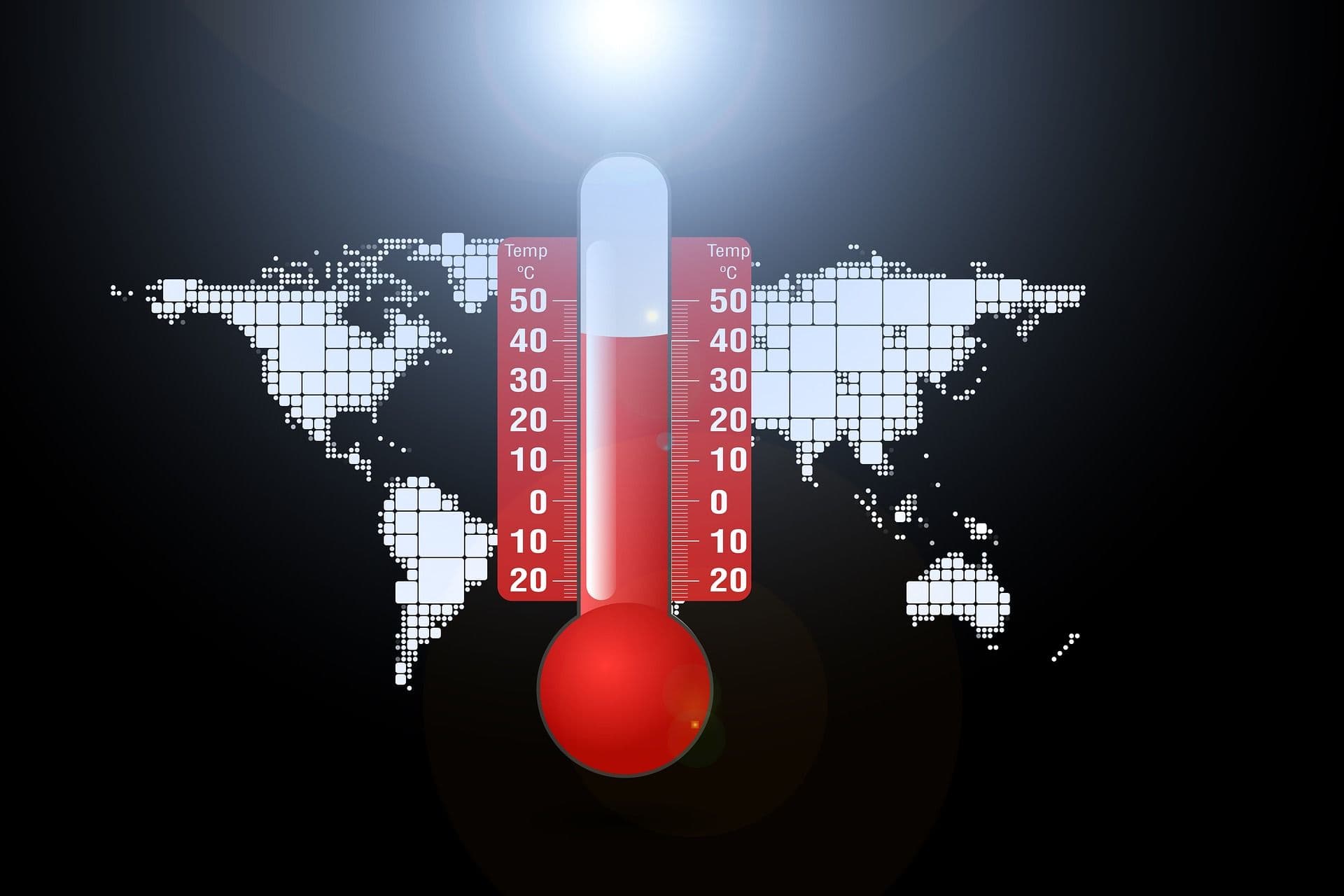
With COP27 starting in a few days, followed by the G20, country heads are busy debating which conference they should attend. With the ongoing Russian invasion of Ukraine and global economic slowdown, the world has perhaps already entered the ‘catastrophic’ stage in terms of both economy and climate. Moreover, geopolitical tensions between countries and individual country politics are worsening the situation. With China’s constant threat of invasion in Taiwan and another threat from Iran possibly attacking Saudi Arabia, the world is at its peril. Climate change is putting a risk to not only national economies but the world at large. In order to both concretely combat climate change while dealing with the global economic recession, COP27 and G20 are a necessity.
The G20 summit is being held in Bali, Indonesia from 15-16 November. The three main priorities of the summit are Global Health Architecture, Digital Economy Transformation, and Energy Transition for global recovery. The point to note is Russia, one of the G20 members, has blocked the group members from issuing communiqué with language which, in any sort or manner, attempts to condemn the Russian-Ukrainian conflict.
US President Joe Biden and Chinese counterpart Xi Jinping are expected to attend the G20 summit. However, the ongoing threats from China on a possible invasion of Taiwan have led both countries to stop bilateral trade and commerce, along with creating a widening rift that seems tough to shut down. The situation is more or less the same with COP27 being boycotted by climate activists, such as Greta Thunberg, who marked the event as “An opportunity for leaders to greenwash.” Many prominent political figures have also refused to attend, stating that they see ‘No significant breakthrough’ but remain indirectly involved in combating the issue of climate change and global warming. Egypt, being the host country, is also facing backlash from many human rights activists stating ‘grave human rights violations are taking place in the country’ and putting a light on the human rights issues to solve them first and then talk about the climate crisis making COP27 a highly politicised event in the process.
While countries like India will be focussing on climate finance at the upcoming COP27, the situation is dire as, according to a UNEP report, to minimise the impact of climate change, developing countries will require USD 340 billion by 2030 to take adequate financial adaptation measures. The report also states that international adaptation finance flows from developed countries to developing countries only reached USD 29 billion in 2020. Talking about the big gap in climate finance support, UN Secretary-General António Guterres said, “The world is failing to protect people from the here-and-now impacts of the climate crisis. We need a global surge in adaptation investment to save millions of lives from climate carnage.”
As the world continues to struggle with adverse climate changes, economic slowdown, and seemingly on the brink of a possible conflict spillover from the Russian invasion of Ukraine, all eyes are on the upcoming COP27 and G20 summit. It is time for developed and developing countries to put aside their ideological differences and blame games aside to implement and deliver on the previous COP26 and the Paris Agreement treaties signed by them in combating the climate crisis.
Let us see, and hope that both COP27 and the G20 Summit can bring desperately needed practical solutions, binding collaboration that the world can adopt.
To get the latest information on COP27, please visit https://www.knowesg.c
About the Author
Aaroshi Rathor
Contributing writer at KnowESG

 Event
Event Event
Event
 Event
Event Event
Event Event
Event Event
Event Event
EventFind compliance and ESG reporting software providers for CSRD, GRI, and TCFD reporting.
More from KnowESG:
With COP27 starting in a few days, followed by the G20, country heads are busy debating which conference they should attend. With the ongoing Russian invasion of Ukraine and global economic slowdown, the world has perhaps already entered the ‘catastrophic’ stage in terms of both economy and climate. Moreover, geopolitical tensions between countries and individual country politics are worsening the situation. With China’s constant threat of invasion in Taiwan and another threat from Iran possibly attacking Saudi Arabia, the world is at its peril. Climate change is putting a risk to not only national economies but the world at large. In order to both concretely combat climate change while dealing with the global economic recession, COP27 and G20 are a necessity.
The G20 summit is being held in Bali, Indonesia from 15-16 November. The three main priorities of the summit are Global Health Architecture, Digital Economy Transformation, and Energy Transition for global recovery. The point to note is Russia, one of the G20 members, has blocked the group members from issuing communiqué with language which, in any sort or manner, attempts to condemn the Russian-Ukrainian conflict.
US President Joe Biden and Chinese counterpart Xi Jinping are expected to attend the G20 summit. However, the ongoing threats from China on a possible invasion of Taiwan have led both countries to stop bilateral trade and commerce, along with creating a widening rift that seems tough to shut down. The situation is more or less the same with COP27 being boycotted by climate activists, such as Greta Thunberg, who marked the event as “An opportunity for leaders to greenwash.” Many prominent political figures have also refused to attend, stating that they see ‘No significant breakthrough’ but remain indirectly involved in combating the issue of climate change and global warming. Egypt, being the host country, is also facing backlash from many human rights activists stating ‘grave human rights violations are taking place in the country’ and putting a light on the human rights issues to solve them first and then talk about the climate crisis making COP27 a highly politicised event in the process.
While countries like India will be focussing on climate finance at the upcoming COP27, the situation is dire as, according to a UNEP report, to minimise the impact of climate change, developing countries will require USD 340 billion by 2030 to take adequate financial adaptation measures. The report also states that international adaptation finance flows from developed countries to developing countries only reached USD 29 billion in 2020. Talking about the big gap in climate finance support, UN Secretary-General António Guterres said, “The world is failing to protect people from the here-and-now impacts of the climate crisis. We need a global surge in adaptation investment to save millions of lives from climate carnage.”
As the world continues to struggle with adverse climate changes, economic slowdown, and seemingly on the brink of a possible conflict spillover from the Russian invasion of Ukraine, all eyes are on the upcoming COP27 and G20 summit. It is time for developed and developing countries to put aside their ideological differences and blame games aside to implement and deliver on the previous COP26 and the Paris Agreement treaties signed by them in combating the climate crisis.
Let us see, and hope that both COP27 and the G20 Summit can bring desperately needed practical solutions, binding collaboration that the world can adopt.
To get the latest information on COP27, please visit https://www.knowesg.c

Connect with Rho Impact through KnowESG to develop ESG strategies, impact forecasting, and metrics-driven sustainability goals.

Connect with Sustainova through KnowESG’s ESG Marketplace. Discover tailored sustainability solutions from a trusted ESG provider.

Credible is an ESG data and insights platform that provides businesses with tools to manage and report their sustainability performance. By integrating with existing systems, Credible enables organizations to streamline data collection, analyze ESG metrics, and comply with regulatory requirements. Their focus on data accuracy and transparency helps businesses make informed decisions to improve their environmental, social, and governance impact.

Key ESG provides advanced software solutions for managing and reporting ESG performance. Their platform enables businesses to track ESG metrics, improve transparency, and comply with regulatory standards. Key ESG helps companies streamline their sustainability efforts and make data-driven decisions that enhance their environmental, social, and governance impact.

Connect with Ecoskills through KnowESG for ESG-focused training, sustainability upskilling, and workforce development programs.
Enablon provides integrated software solutions for EHS, ESG, and operational excellence, helping businesses manage risk and compliance effectively.
Find compliance and ESG reporting software providers for CSRD, GRI, TCFD
Browse MarketplaceLatest updates on CSRD, GRI, TCFD, and ESG reporting frameworks
Read ArticlesNetwork with experts driving sustainable business practices
Explore EventsEventEventEventEventEventEventEvent