Who Pays the Price? Meta Data Center Fuels Energy and Climate Debate

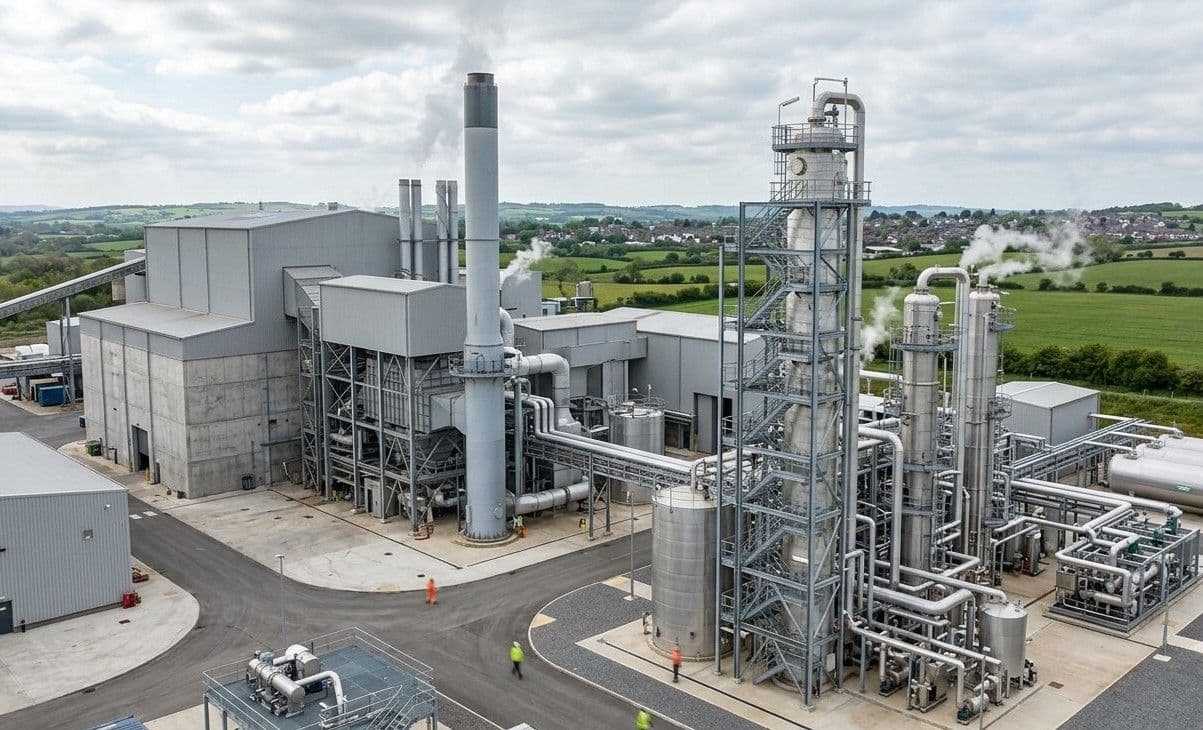
Meta is embarking on a journey to build its largest data center, valued at a staggering $10 billion. To meet the massive power requirements of the data center, the company has partnered with Entergy, a Fortune 500 integrated energy company, to set up three natural gas power plants.
As Louisiana is the chosen location for the construction and operation of the plants, the Louisiana Public Service Commission has nodded its approval for Entergy’s proposal. Generating up to 2.25 gigawatts of electricity, the plants are due to commence their operations in 2028 and 2029.
While the gas plant capacity is 2.25 gigawatts of electricity, once the AI-enabled data center undergoes expansion, the required power is expected to increase to 5 gigawatts, which is more than twice the plant capacity.
While the plant has secured the necessary approvals, it’s at the center of debate among the residents of the state. Those who are in favor of the project justify it by sharing the number of jobs it will generate, meeting Meta’s massive demand for energy. On the other hand, critics are worried about the ecological impact of the project.
Read More: UN: AI Fuelled 150% Rise in Tech Giants’ Data Centre Emissions
The deal has also received some pushback from a group comprising some top companies like Chevron, Dow Chemical, and Exxon Mobil. These companies believe that Meta and Entergy will be at the receiving end of preferential treatment in terms of obtaining renewable energy, involving a planned 1.5-gigawatt solar project. In contrast, they will have to encounter hurdles while trying to secure clean energy.
The deal between Meta and Entergy has been signed for 15 years. This has raised serious concerns among regulators because they believe that when Meta’s contract ends, the ongoing expenses will be extracted from local consumers for the simple reason that natural gas plants generally run for over 30 years.
The Union of Concerned Scientists weighed in on the issue that huge energy projects such as these, more often than not, go beyond the stipulated budget, whereby the local consumers are expected to foot the increasing costs. Additionally, the cost of a $550 million transmission line connecting the data centers will also need to be paid by these consumers.
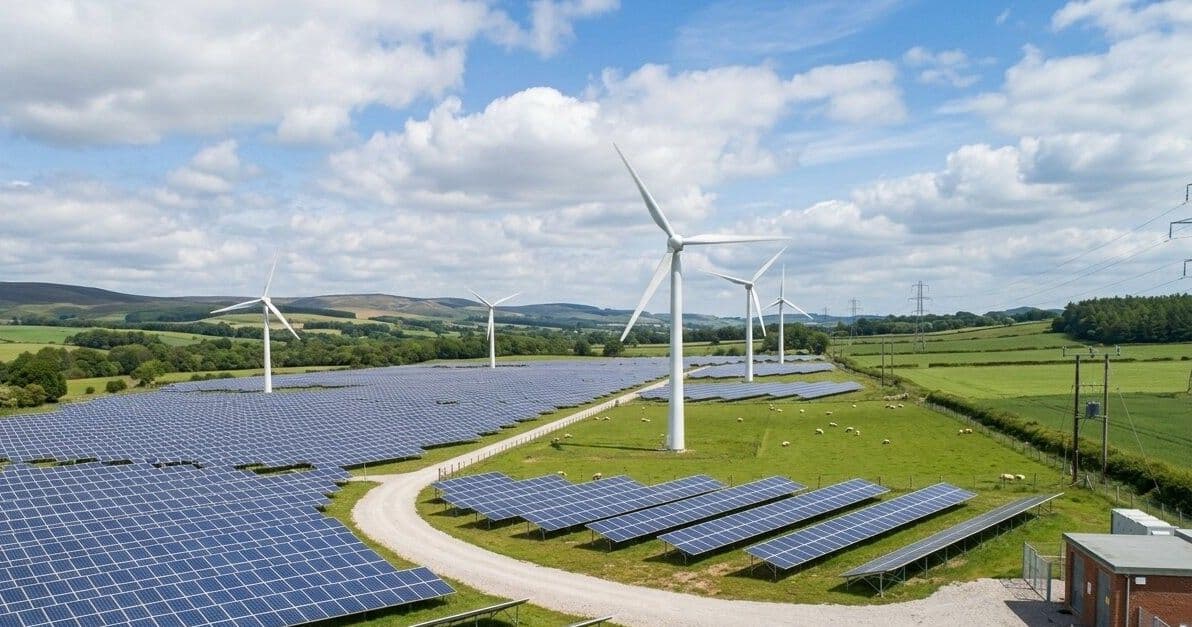
In an attempt to exhibit its focus on sustainable energy, Meta has been purchasing clean energy for a while, and that includes a 100-megawatt deal announced this week. At the same time, its attempt to reach net-zero emissions by 2030 will be fairly challenging now with its complete dependence on gas plants.
Also Read: AI Data Centres Threaten Big Tech’s Net-Zero Pledges
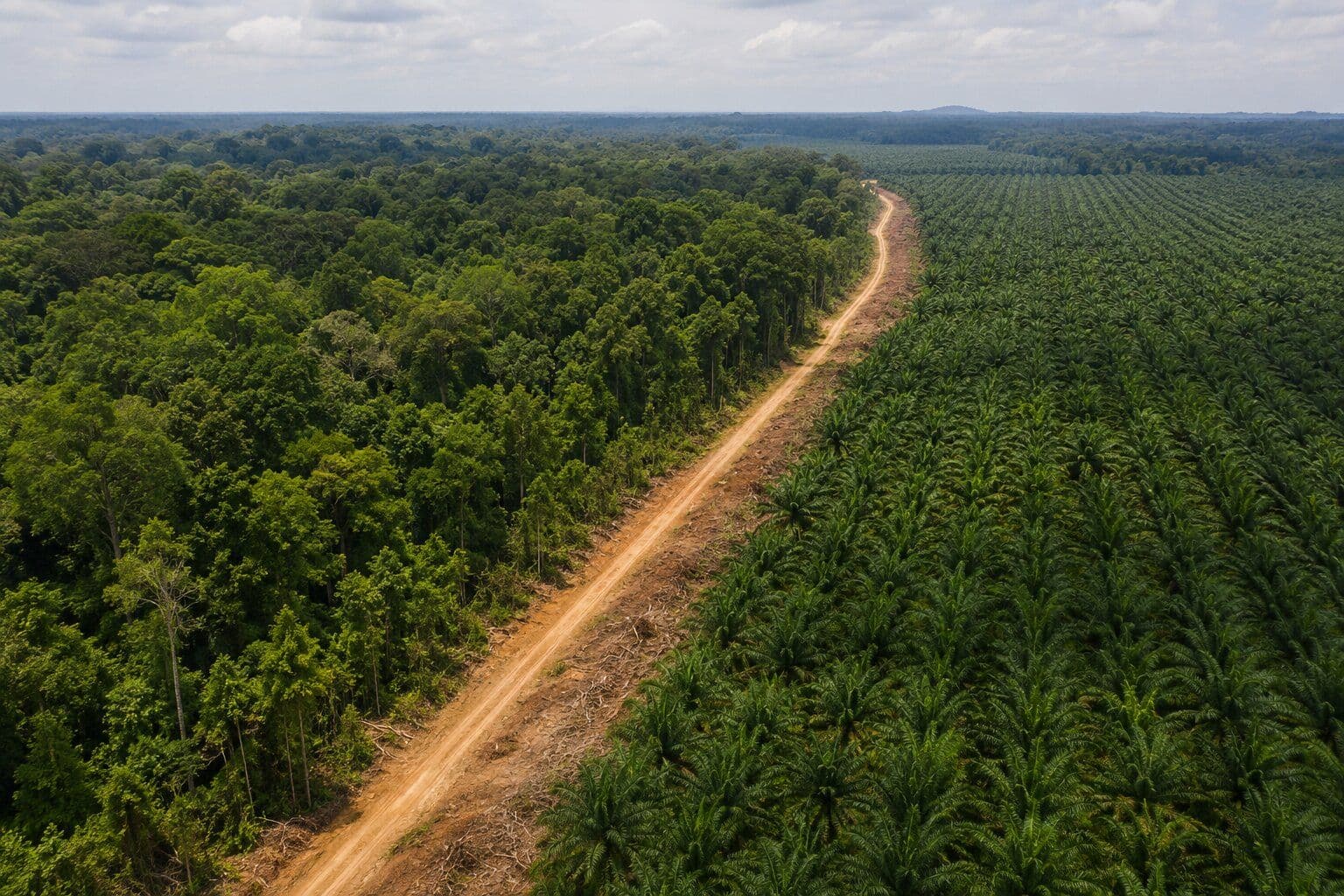
Setting up gas plants has its own share of environmental challenges, as they will continue to release significant amounts of carbon into the atmosphere for decades to come. Therefore, to alleviate carbon emissions, Meta will need to purchase carbon removal credits, which in turn will increase its costs as far as its sustainability goals are concerned.
In summary, the Meta-Entergy deal highlights two key points:
- The increasing concern involving providing power for huge AI and data center operations and complying with climate change reduction targets.
- The struggle involved in balancing the growth of digital infrastructure and meeting environmental sustainability goals, at the same time.
Follow more news and views via our Environment and Featured Articles sections, and stay updated on the top ESG events to attend in 2025 for industry insights and networking.
Source: TechCrunch
Get the ESG Brief in your inbox
One concise email a week — the ratings moves, regulation deadlines, and vetted solutions that matter. Trusted by sustainability and finance teams.
No spam · unsubscribe anytime.