Vatican Commits to 28% Cut in Greenhouse Gas Emissions by 2035

Takeaways
- The Vatican has pledged to cut greenhouse gas emissions by 28% by 2035 compared to 2011 levels.
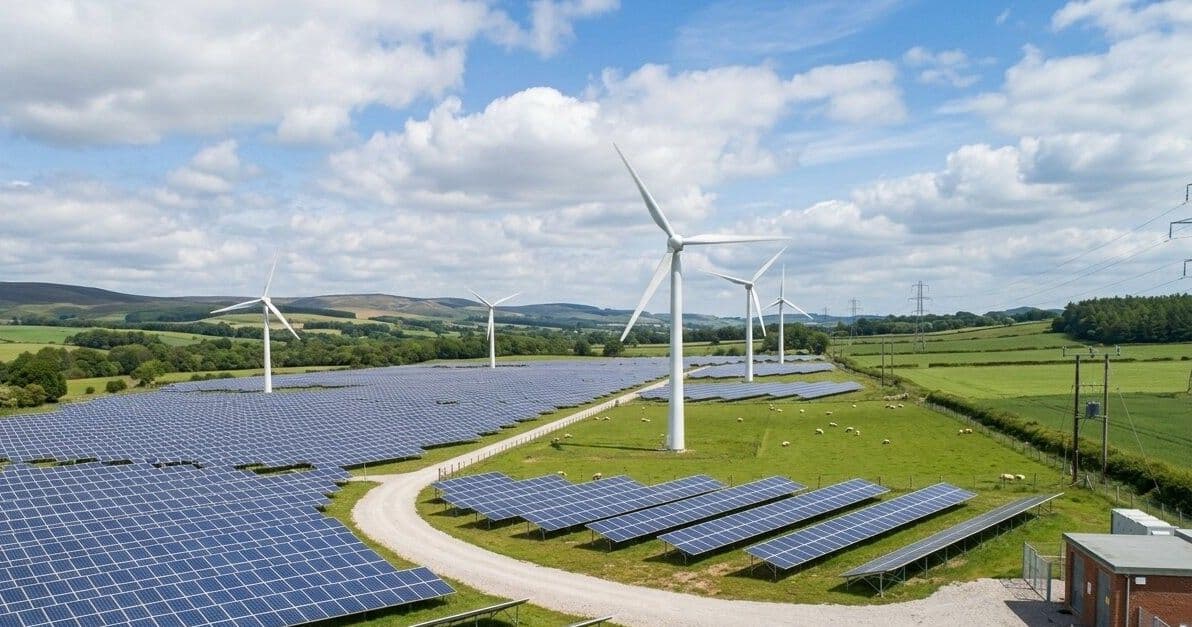
- A 1,000-acre solar farm near Rome will power the Vatican’s transition to becoming the world’s first carbon-neutral state.
- Despite its small size and minimal emissions, the Holy See aims to lead by moral example, promoting ecological awareness and renewable energy.
The Vatican has announced plans to reduce its greenhouse gas emissions by at least 28% within the next decade, marking a significant step in its ongoing commitment to sustainability and the Paris Agreement. The Holy See submitted its updated climate pledge, known as a nationally determined contribution (NDC), to the United Nations in September 2025.
The pledge forms part of the Vatican’s responsibility under the 2015 Paris climate accord, which requires all signatories to take action to limit global warming to below 1.5°C. Surpassing this limit, scientists warn, could lead to more extreme weather events, floods, and wildfires affecting millions worldwide.
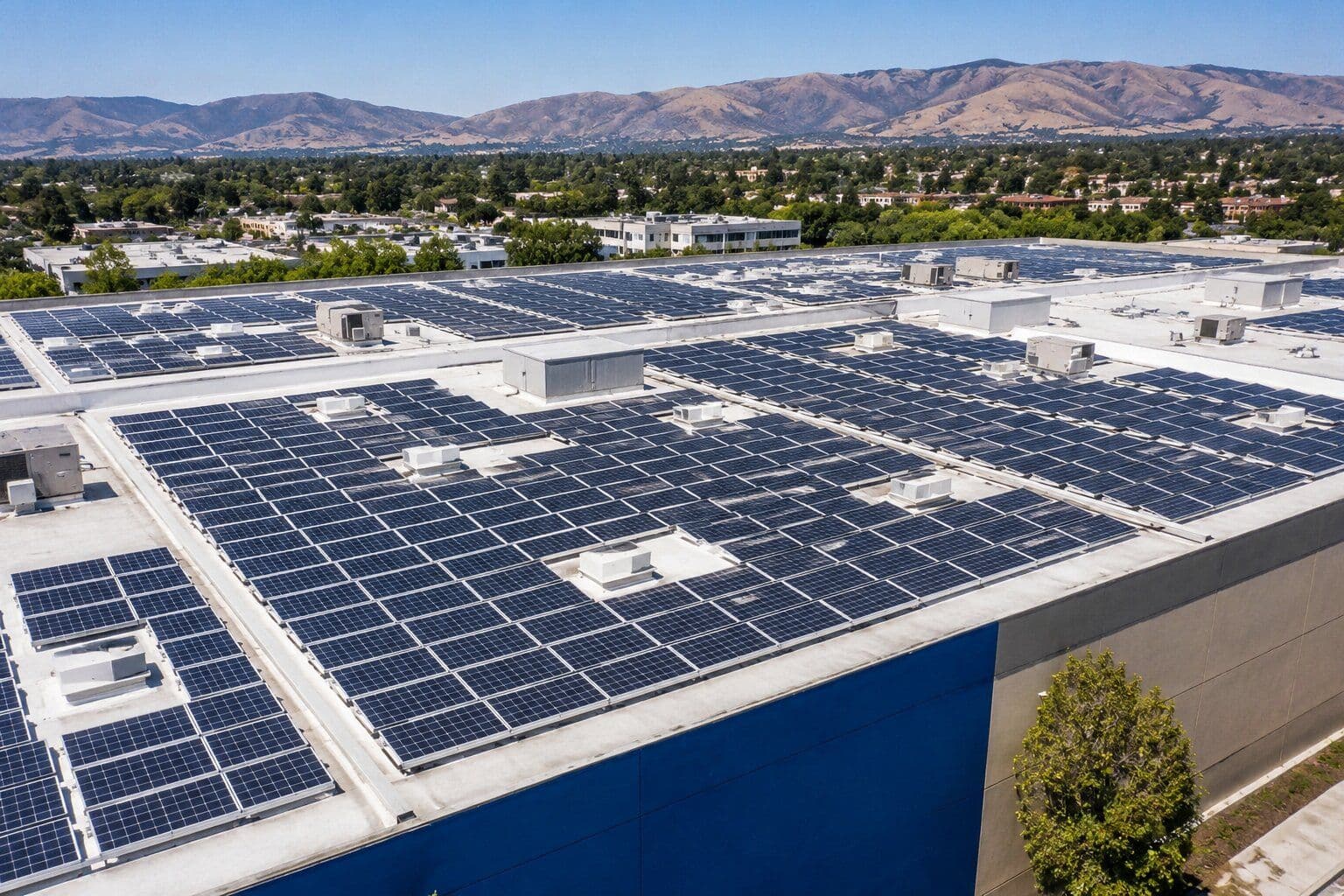
Under the new plan, the Vatican City State, home to just 887 residents, will reduce emissions by 28% by 2035, compared with 2011 levels. Central to this effort is the creation of a 1,000-acre solar farm north of Rome, designed to meet the Vatican’s entire electricity demand and transform it into the world’s first carbon-neutral state.
Read More: Closing the ESG ‘Do-Say’ Gap: Profit and Decarbonization Lead the Way
Currently, the Vatican relies heavily on imported energy. The solar farm project, alongside energy efficiency upgrades in landmarks such as St. Peter’s Basilica, expanded use of electric vehicles, and solar-powered museum facilities, will significantly reduce this dependence.
Although its contribution to global greenhouse gas emissions is negligible, well under one-hundredth of a percent, the Holy See has emphasized the moral responsibility of acting on climate change. In its statement, the Vatican noted that investing in emission-reduction projects and promoting integral ecology education brings both environmental and ethical benefits.
Musamba Mubanga, senior advocacy officer at Caritas Internationalis, praised the Vatican’s climate commitment, calling it an example of “moral leadership in action.” She added, “The Vatican's action shows that even small states, guided by moral conviction rather than economic power, can lead by example and inspire others to act with similar responsibility.”
Pope Leo XIV has continued the environmental focus of his predecessors, reiterating that care for creation is an expression of faith and humanity. The Vatican’s latest initiative builds upon Pope Francis’s landmark encyclical Laudato Si’, which urged global action to protect the planet.
The Holy See’s approach also includes educational initiatives to encourage ecological awareness. A newly opened section of the Vatican Gardens serves as a learning and play area for children, promoting sustainability from a young age.
Experts say the Vatican’s influence extends far beyond its borders. David Knecht, a climate justice program manager with Fastenaktion, said the Holy See has “an important opportunity to advance climate action at scale” by mobilizing dioceses and religious institutions toward renewable energy and sustainable land use.
Also Read: There are Different Ways to Reduce GHG Emissions
As nations prepare for COP30, the U.N. climate summit in Brazil, the Vatican’s pledge stands as a symbolic reminder that every action counts in the collective mission to curb global warming.
Follow more news and views via our Climate & Environment and Featured Articles sections, and stay updated on the top ESG events to attend in 2025 for industry insights and networking.
Source: NATIONAL CATHOLIC REPORTER
Get the ESG Brief in your inbox
One concise email a week — the ratings moves, regulation deadlines, and vetted solutions that matter. Trusted by sustainability and finance teams.
No spam · unsubscribe anytime.