Tyson Foods Drops ‘Climate-Smart’ Beef Claims After Lawsuit

Highlights
- Tyson Foods stops using climate-smart beef and net-zero claims after a lawsuit questioned evidence behind its climate messaging.
- EWG said Tyson lacked proof of lower emissions for Brazen Beef and targeted consumers seeking climate-friendly meat.
Tyson Foods, a multinational American food company, has agreed to stop using phrases such as “climate-smart beef” and “net-zero by 2050” after settling a lawsuit filed by the Environmental Working Group (EWG).
The case argued that the company had no proven method to cut methane and nitrous oxide emissions from cattle. As a result, Tyson cannot make similar environmental claims for five years unless an agreed independent expert says the evidence is adequate.
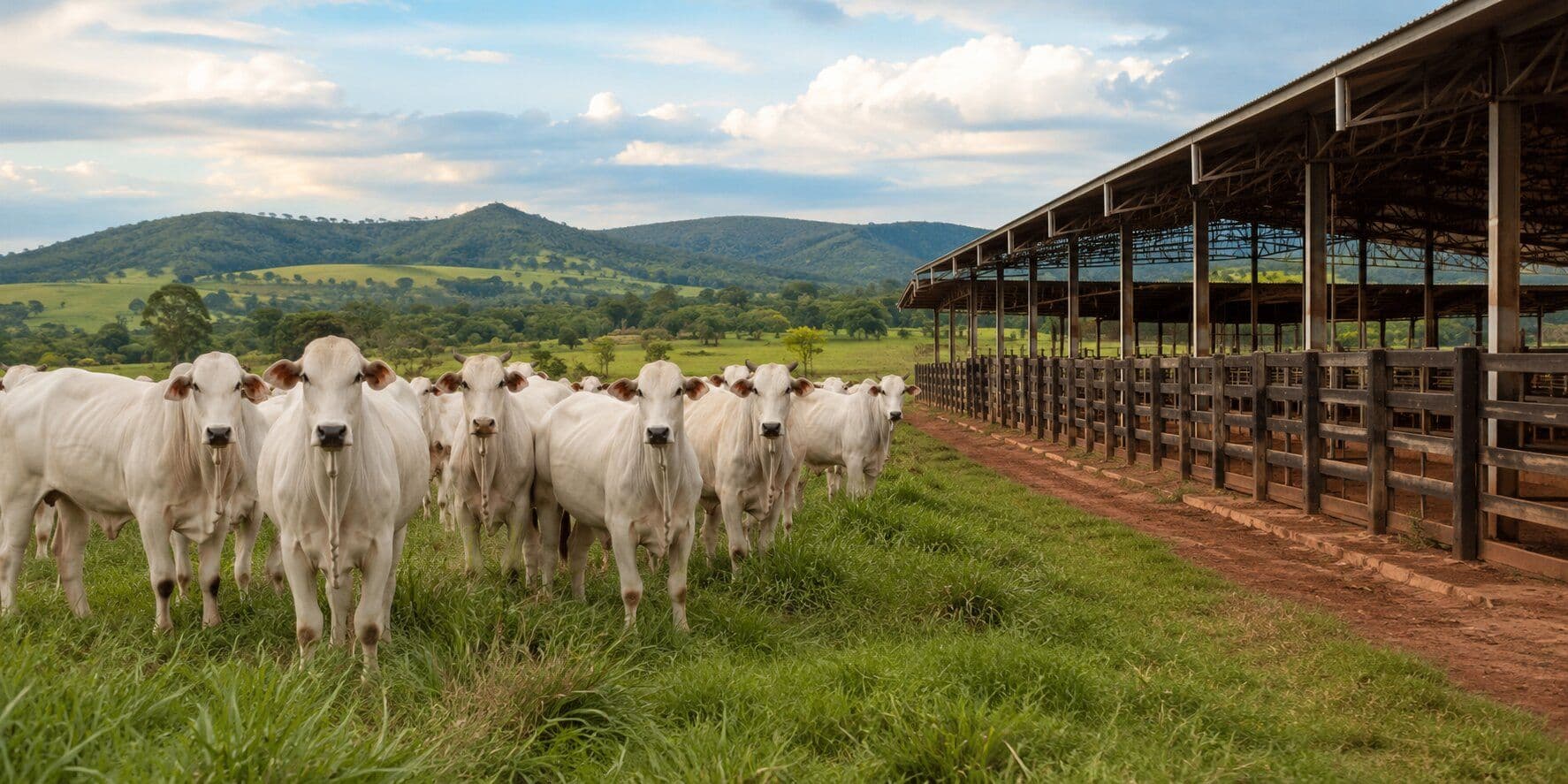
The settlement follows years of Tyson promoting Brazen Beef, a brand labelled with the USDA Low Carbon Beef claim. EWG said consumers were told the beef had lower emissions, yet Tyson released minimal information about how the 10% emissions reduction was reached.
Read More: Study Finds Grass-Based Beef Cattle Can Cut GHG Emissions by 26%
The group added that the company targeted buyers who pay more for meat labelled as climate-friendly.
Consumer Interest in Climate-Friendly Food
Surveys show that buyers respond strongly to terms such as climate-smart beef. In one poll, 95% of Americans said they would buy foods marketed as climate-friendly, and many said such labels suggest a smaller climate footprint than conventional meat or even tofu.
Why Beef Has a Large Climate Footprint
Beef is described as the most polluting food due to methane from cattle digestion, nitrous oxide from manure, and deforestation linked to pasture expansion. 85% of Tyson’s emissions come from beef. Tyson’s total emissions exceed those of countries such as Austria or Greece.
Climate Claims Scrutiny Involving Tyson & JBS
Legal groups say the Tyson settlement comes at a moment when the largest meat producers face increased attention for climate-related messaging. Tyson stated that it has spent $65M on emission-reduction activities, yet this represents only a small fraction of its $53B revenue.
Parallel Settlement With JBS
The same month, JBS, the world’s biggest meat company, also agreed to stop using unproven net-zero language after a lawsuit by the New York Attorney General. Together, Tyson and JBS control around half of all beef sold in the US, so both cases draw national notice regarding greenwashing in meat production.
Also Read: World’s Largest Beef Producer Fined $1.1M for Greenwashing
Government Clamps Down on Meat Labelling
US regulators have issued updated guidance stating that terms like “climate-friendly” and “humanely-raised” on meat labels must link to real evidence. Though the guidance is voluntary, companies were warned that misuse may trigger action.
Environmental groups say industrial beef systems emit large volumes of greenhouse gases at every stage, and meaningful cuts would need changes Tyson hasn’t shown.
***
Are you looking for expert guidance on sustainability for your business?
Explore our ESG Solutions page, where you can connect with more than 1000 providers offering a broad range of sustainable services.
Stay up-to-date with regulatory developments through our Climate & Environment News.
Get the ESG Brief in your inbox
One concise email a week — the ratings moves, regulation deadlines, and vetted solutions that matter. Trusted by sustainability and finance teams.
No spam · unsubscribe anytime.