South Korea Coal Transition Gains Momentum as Nation Joins PPCA at COP30

Takeaways
- South Korea has pledged to phase out unabated coal power, joining the Powering Past Coal Alliance (PPCA) at COP30.
- The commitment marks the country’s first official decision to stop building new coal plants and gradually close existing ones, with a detailed roadmap expected in 2026.
- The move signals Seoul’s push toward a clean energy transition anchored in renewables and nuclear power, with ambitious emissions-reduction goals.
South Korea has pledged to phase out unabated coal power as it formally joins the Powering Past Coal Alliance (PPCA), a global coalition of governments and organizations working to eliminate coal as a major energy source. The announcement came in Belem, Brazil, where world leaders are gathered for the COP30 UN climate summit.
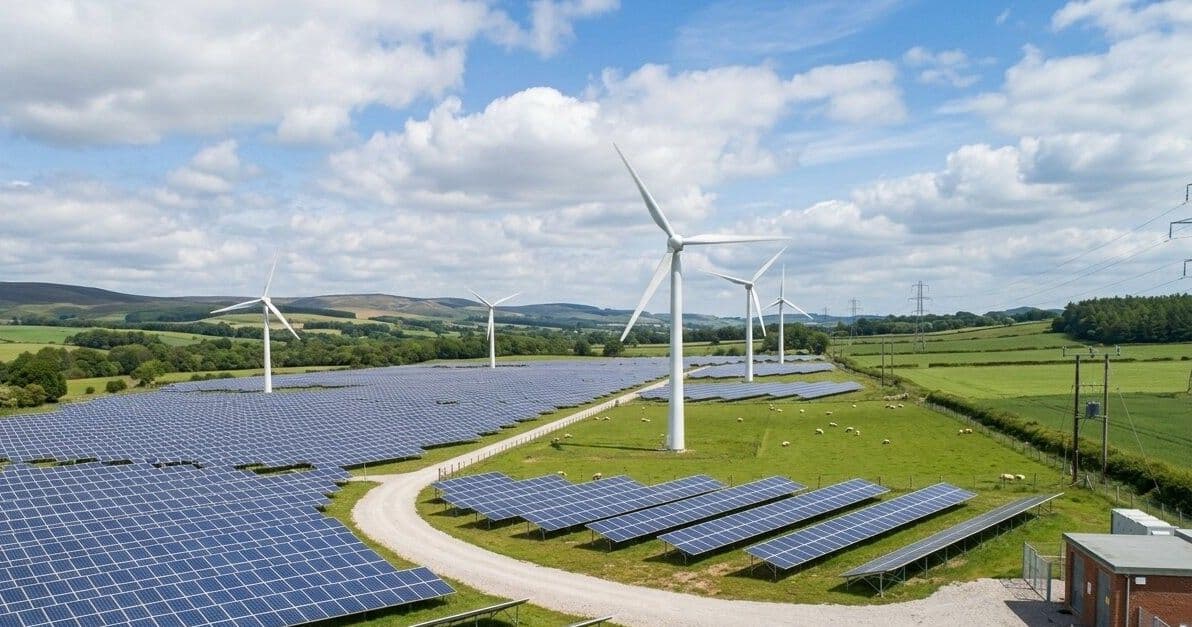
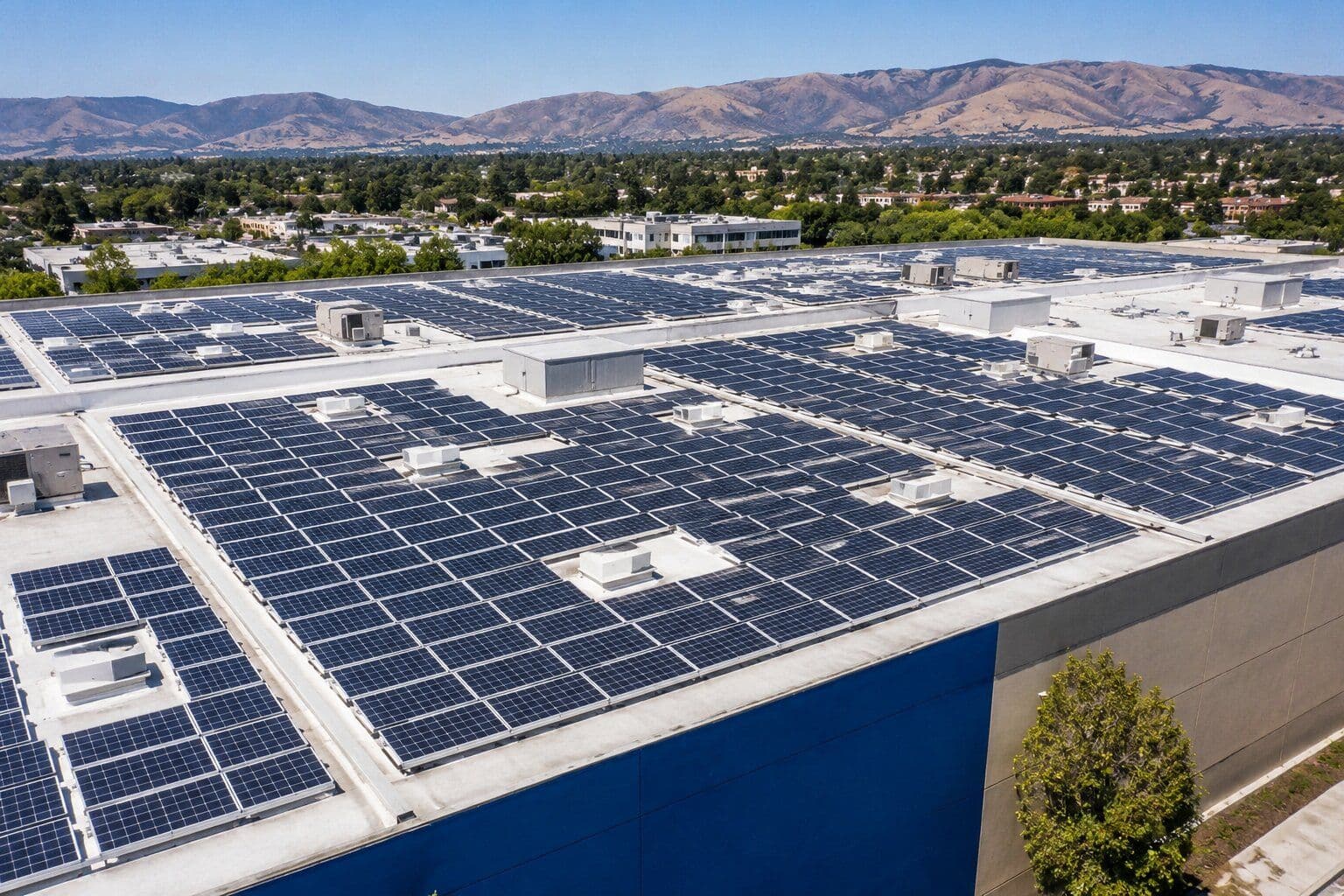
Climate Minister Kim Sung-whan said the decision reflects Seoul’s long-term plan to build a “decarbonized green society” driven by renewable energy. Nuclear power will play a supporting role, he added, while coal will be phased out and natural gas used only as an emergency source. Although no specific date has been set for completely ending the use of unabated coal, the commitment marks the government’s first official move to stop constructing new coal plants and begin closing existing ones.
“We will kickstart our coal phase-out,” Kim said, noting that joining the PPCA will strengthen global efforts to speed up the transition away from high-emitting fuels. Unabated coal refers to plants that operate without technologies such as carbon capture and storage, which most coal facilities do not currently use.
Read More: The Growing Need for ESG Companies, Sustainability, and Climate Solutions
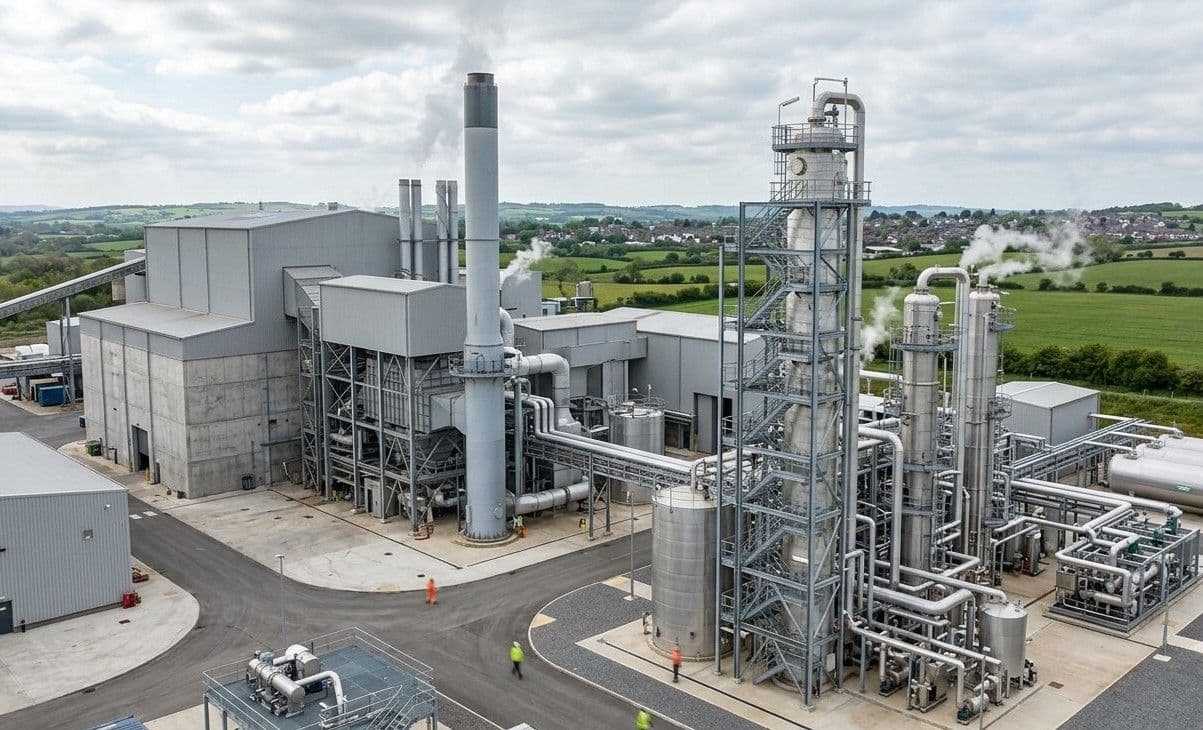
According to the PPCA, South Korea operates 61 coal-fired power plants. Of these, 40 are confirmed for closure by 2040, while the remaining 21 will receive closure timelines after economic and environmental assessments. A detailed phase-out roadmap will be finalized by 2026. South Korea, Asia’s fourth-largest economy, also runs the seventh-largest coal fleet and is the world’s fourth-biggest coal importer.
Kim said the pledge demonstrates South Korea’s commitment to a “just and clean energy transition” that will eventually create jobs in emerging green industries. The shift comes as renewable energy gains momentum worldwide. Data from energy think tank Ember shows that coal’s share of South Korea’s electricity generation has already dropped from 46.3 percent in 2009 to 30.5 percent last year. Globally, renewable energy surpassed coal production for the first time in the first half of 2025.
The new pledge builds on Seoul’s 2020 target to achieve carbon neutrality by 2050. As part of that goal, the government aims to cut greenhouse gas emissions by 53–61 percent from 2018 levels by 2035, aligning with international efforts to limit global warming to 1.5°C.
Experts say the commitment represents a major shift. “A few years ago, it would have seemed inconceivable that South Korea would be committing to phase out coal generation,” said Richard Black, Ember’s director of policy and strategy. “But what’s already happening in Korea, with coal power down by a third since the Paris Agreement was signed ten years ago, makes it now a logical choice.”
Also Read: How To Think About Net Zero Transition Plans
South Korea becomes only the second Asian government to join the PPCA, after Singapore. But climate advocates say more progress is urgently needed. “In these critical years of climate action, we must go even further and faster,” said British climate minister Katie White, who co-chairs the PPCA. She emphasized the need to address the challenges faced by developing nations to ensure everyone benefits from the coal phase-out.
Follow more news and views via our Climate & Environment and Featured Articles sections, and stay updated on the top ESG events to attend in 2025 for industry insights and networking.
If you're looking for suitable ESG and Sustainability providers to share customized solutions specific to your business needs, you can check out KnowESG's Solutions page.
Source: tuoitre news
Get the ESG Brief in your inbox
One concise email a week — the ratings moves, regulation deadlines, and vetted solutions that matter. Trusted by sustainability and finance teams.
No spam · unsubscribe anytime.