Peatland, Woodland, and Electric Cars: Scotland’s 2045 Climate Plan

Highlights
- Scotland declares net-zero greenhouse gas emissions by 2045, with phased-out petrol and diesel vehicles by 2030.
- Decarbonising heating systems, peatland restoration, and woodland expansion are at the heart of the nation’s climate strategy.
- £4.8bn climate investment to generate £42.3bn in benefits, including job creation and renewable energy expansion.
The Scottish government has put out a draft climate action plan that targets net-zero greenhouse gas emissions by 2045, ahead of the UK government’s 2050 goal.
The plan includes phasing out new petrol and diesel cars by 2030, switching building heating systems from gas and oil, expanding woodland planting, and accelerating peatland restoration.
Read More: Scotland Gives Nod to Largest Offshore Wind Farm, Seeks Seabird Protection Plan
The object of these measures is to reduce carbon emissions, promote renewable energy, and create a pathway for a low-carbon future in Scotland.
Climate Action Secretary Gillian Martin highlighted the immediate effects of climate change in Scotland, including flooding, heatwaves, and wildfires, stressing that action is urgent.
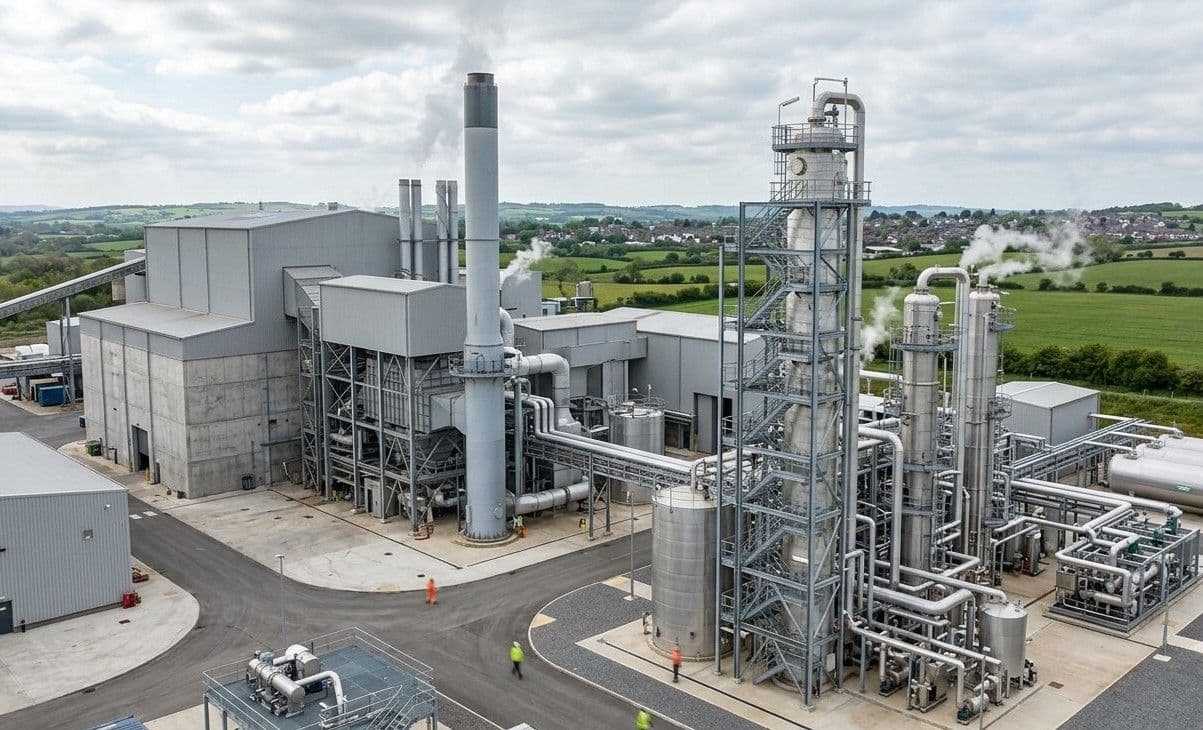
The draft plan sets targets for decarbonising heating in buildings by 2045, with non-domestic properties connecting to low-carbon district heating systems. The government has also suggested consumer incentives to encourage the shift to electric vehicles.
Also Read: NZAM Begins New Chapter Sans Net Zero 2050 Commitment
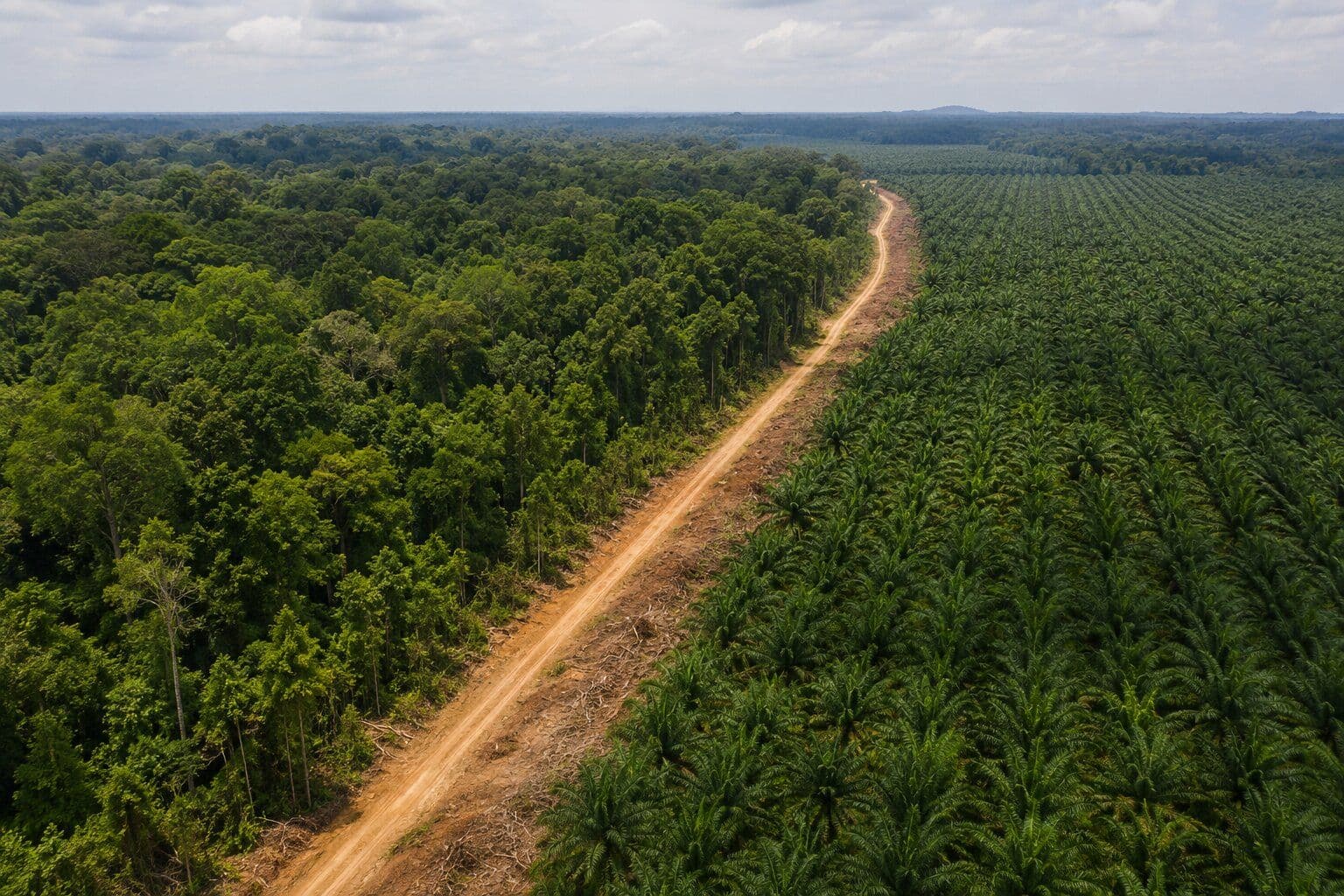
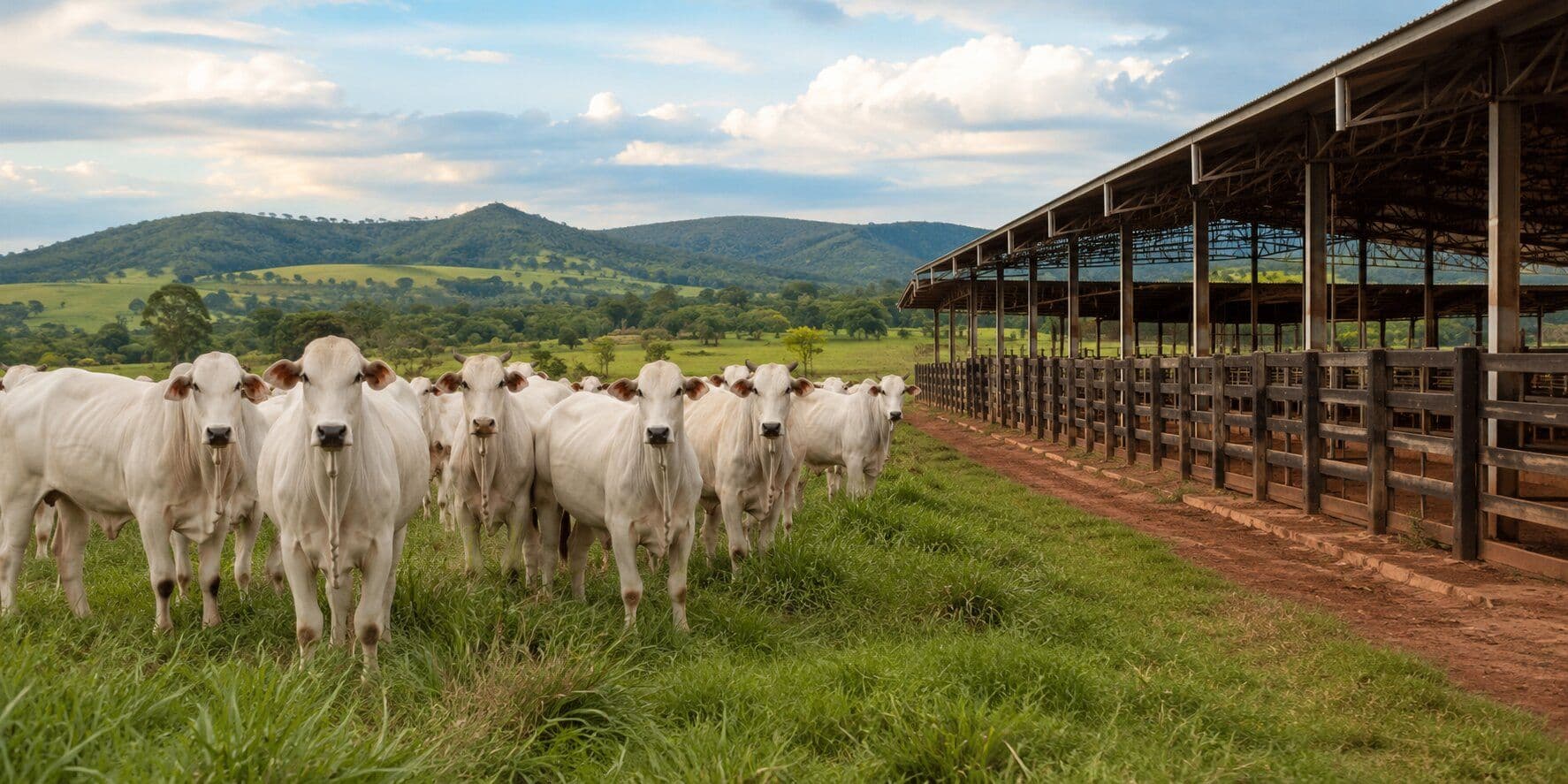
Meantime, it also includes planting 18,000 hectares of woodland per year by 2029-30, alongside peatland restoration covering 400,000 hectares by 2032. These environmental measures are designed to offset emissions from agriculture, Scotland’s third largest source of greenhouse gases, without reducing livestock numbers.
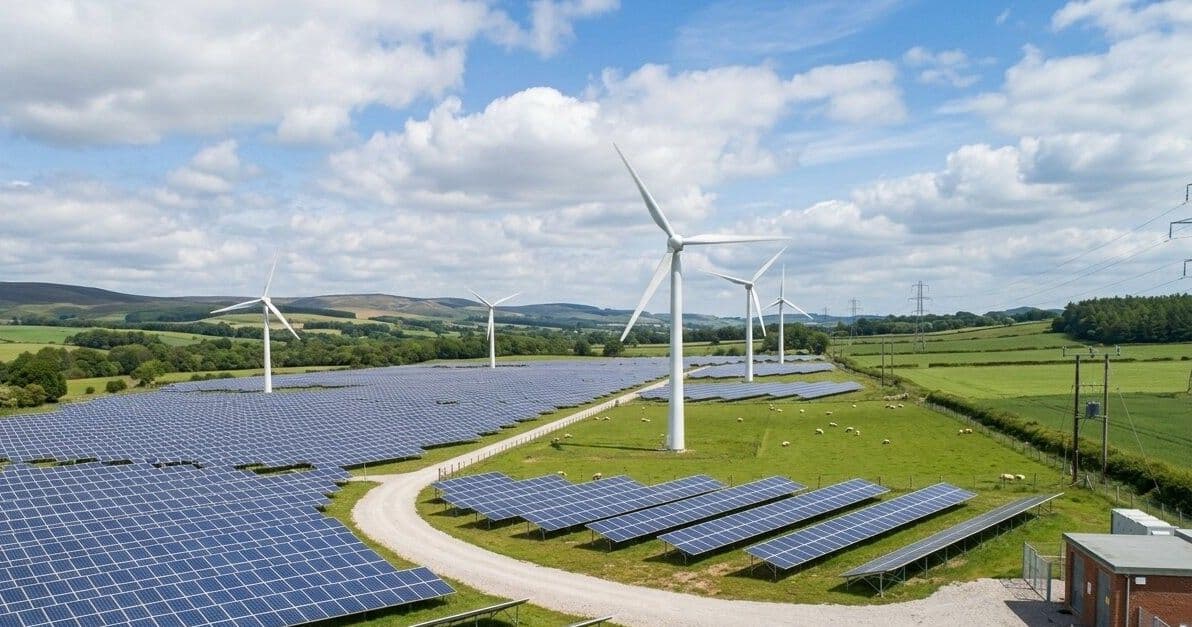
Coming to financial aspects, cost projections indicate £4.8 billion in climate policies between 2026 and 2040, with anticipated benefits of £42.3 billion, including job creation and warmer homes. Renewable energy, particularly wind and solar, is emphasised as a major component of Scotland’s energy transition.
The draft also spotlights a just transition for oil and gas workers during the move away from fossil fuels.
Not without criticism
Conservative and Labour MSPs, along with environmental groups like Friends of the Earth Scotland, say that the proposal lacks clarity on implementation, particularly regarding heating retrofits, electric vehicle adoption, and fossil fuel extraction.
Concerns also focus on the practicalities of peatland restoration and achieving emissions reduction targets without reducing cattle numbers.
See Also: The Global Net Zero Movement: How Countries Are (and Aren’t) Getting There
Scotland has logged a 50% reduction in greenhouse gas emissions compared to 1990 levels, with targets to cut 57% over the next five years, 69% by 2035, and 80% by 2040.
NB: The draft plan is open for consultation until 29 January 2026, with public responses influencing the final strategy.
***
Are you looking for sustainability experts to guide your business?
Explore our ESG Marketplace or solutions page, which features over 1000 providers offering a wide choice of sustainable advisory services.
Follow our Climate & Environment News for regular news and views.
Also, if interested, check out our latest ESG Event updates.
Source: BBC
Get the ESG Brief in your inbox
One concise email a week — the ratings moves, regulation deadlines, and vetted solutions that matter. Trusted by sustainability and finance teams.
No spam · unsubscribe anytime.