Padang & Co Mapping Shows Singapore’s Green Tech Dominance

Highlights
- Singapore green tech startups account for 45% of Southeast Asia’s mapped climate firms.
- Padang & Co maps 1,089 green economy companies within six Southeast Asian markets.
- Climate markets, industrial decarbonisation, and built environment sectors concentrate in Singapore.
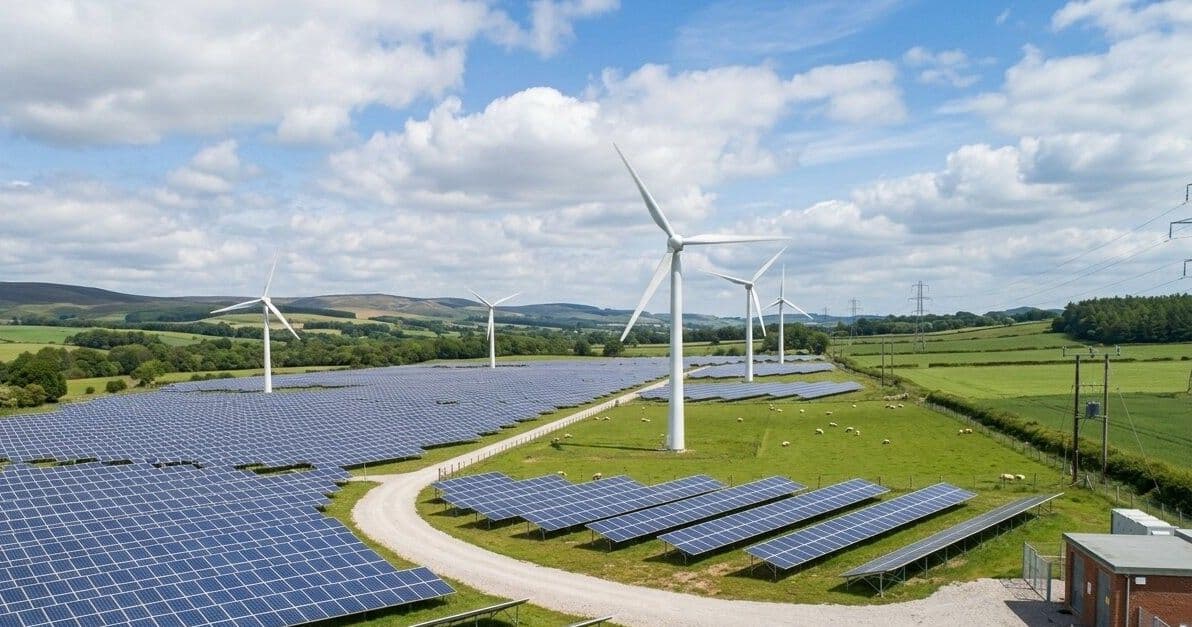
A new regional study places Singapore at the centre of Southeast Asia’s green economy, showing its dominance in green tech startups, climate innovation, and low-carbon solutions.
Conducted by Padang & Co, the research maps 1,089 early-stage and growth companies operating within the region’s green economy. The findings show that Singapore is far ahead of neighbouring markets in terms of company concentration, sector depth, and climate-related business activity.
Read More: Singapore to Offset Emissions with Rwanda Carbon Credits Deal
Seven Green Economy Sectors in Southeast Asia
The mapping spans Singapore, Malaysia, Indonesia, Thailand, Vietnam, and the Philippines, tracking firms operating within seven green economy sectors.
These include Energy Transition, Industrial Decarbonisation, Built Environment, Circular Economy and Waste, Transportation and Logistics, Nature, Agriculture and Food, and Climate Markets and Enablers.
The study shows that many emissions reduction and climate adaptation technologies already exist, yet deployment speed and scale lag behind business formation.
Singapore Green Tech Startups and Climate Markets
Singapore accounts for 494 green economy startups and SMEs, representing 45% of all mapped companies. The city-state holds a majority share within the Built Environment and Climate Markets and Enablers sectors.
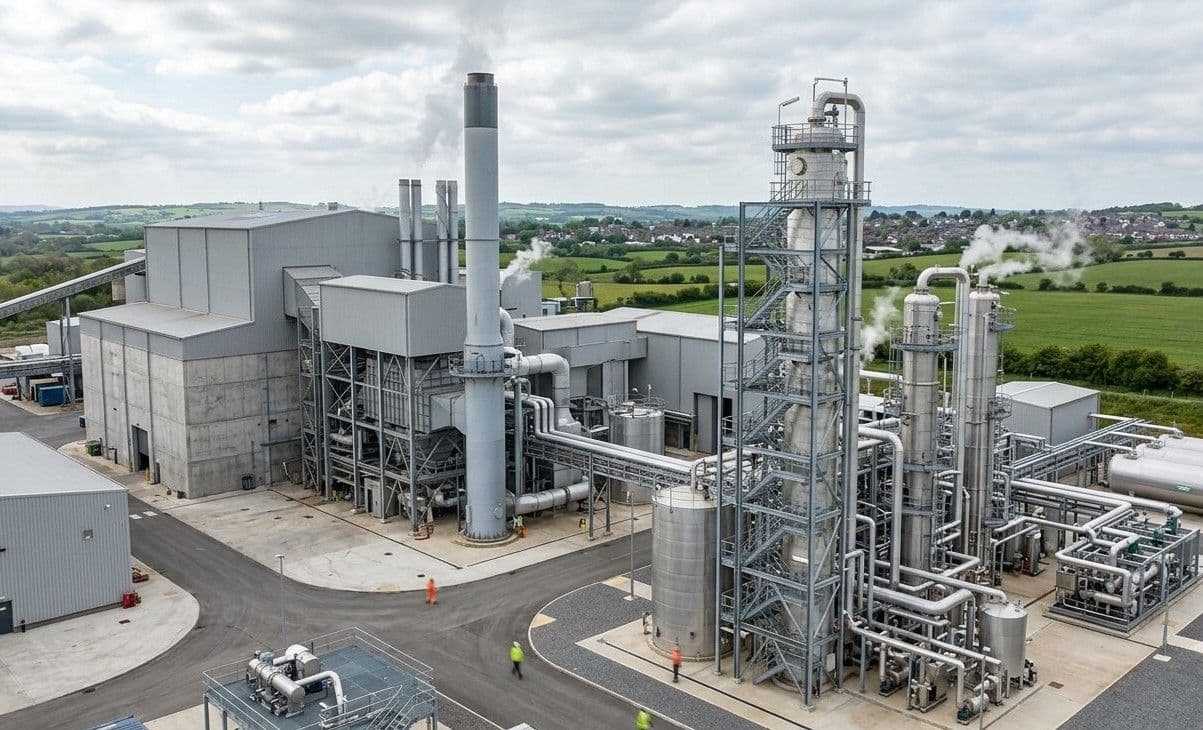
Activity centres on industrial decarbonisation, carbon markets, advanced manufacturing, and digital climate tools. Singapore also functions as a reference base for solutions intended for regional use, despite constraints linked to land availability, data centre energy demand, and concentrated industrial emissions on Jurong Island.
Malaysia, Indonesia, Vietnam, Thailand, Philippines
Other markets follow distinct green economy paths. Malaysia builds momentum in renewable energy and circular economy activity, with interest around the Johor–Singapore Special Economic Zone.
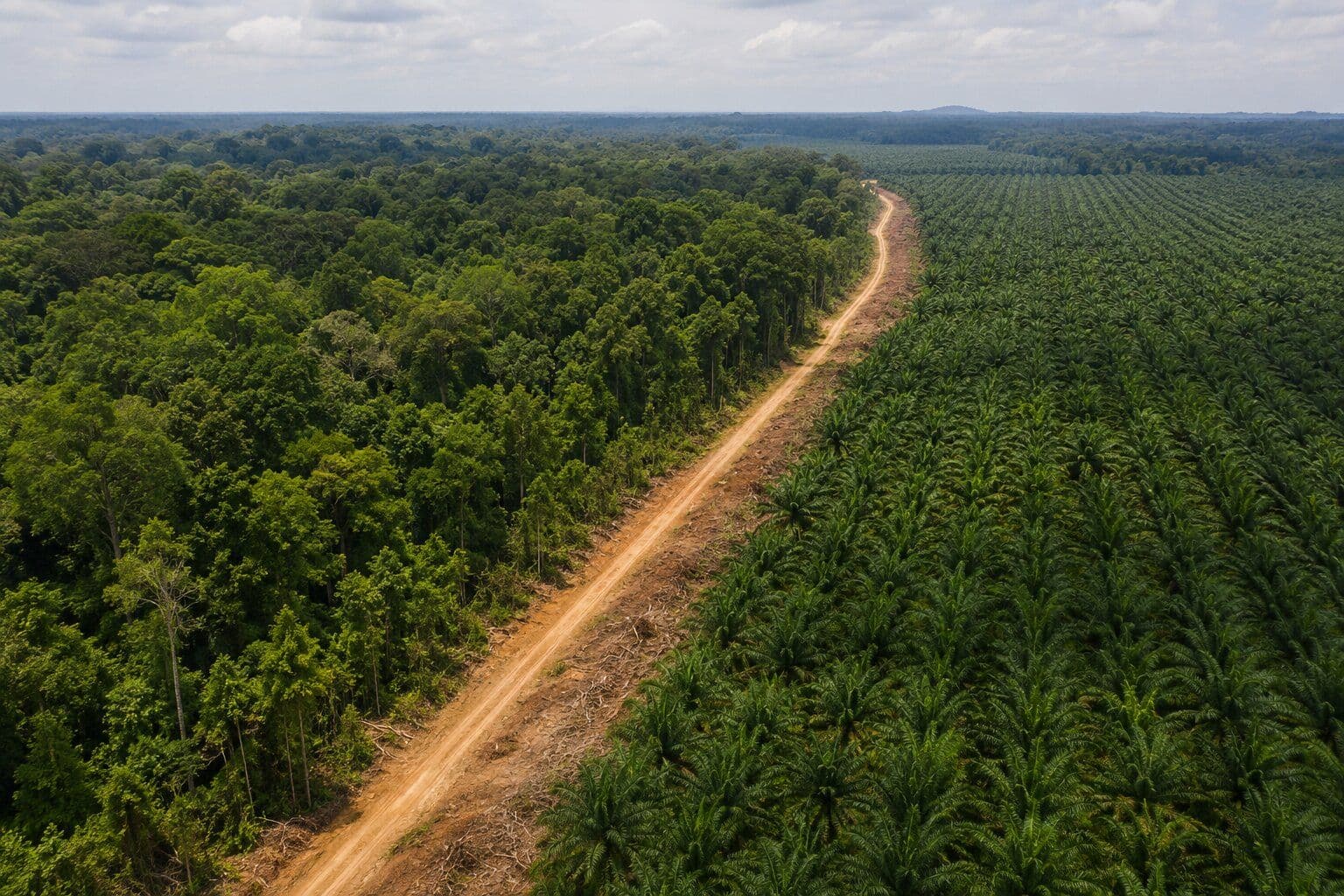
Meantime, Indonesia plays a central role through biodiversity, regenerative agriculture, peatland restoration, and decentralised energy, though financing and infrastructure gaps persist.
Also Read: Singapore, Thailand Sign Carbon Credits Agreement
Thailand shows traction in electric vehicle fleets and smart logistics, whereas Vietnam channels investment into rice methane reduction, manufacturing decarbonisation, and emissions measurement.
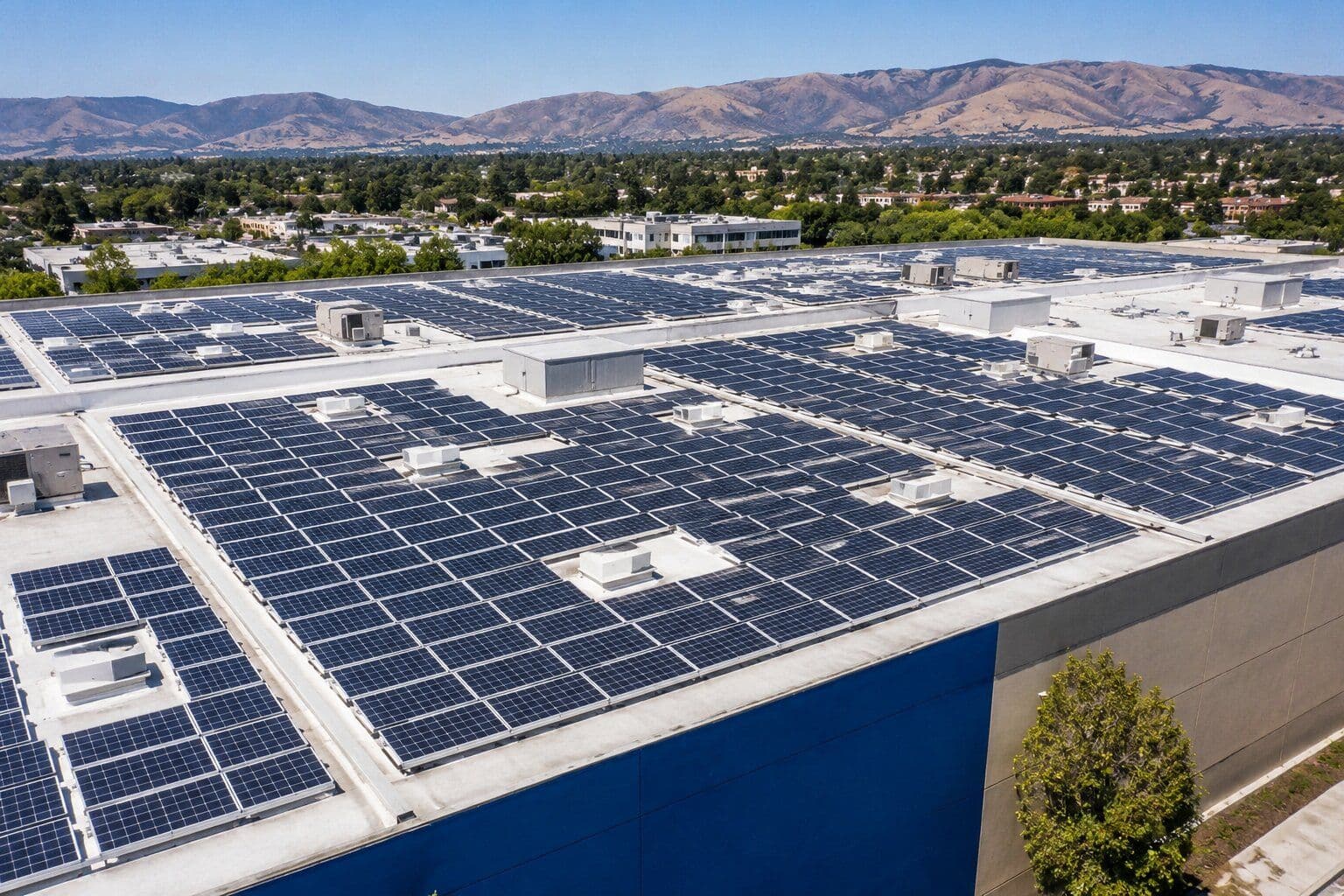
The Philippines, facing high climate exposure, records growing demand for adaptation technologies, resilient infrastructure, and distributed solar energy.
###
Are you looking for sustainability experts to guide your business?
Explore our ESG Solutions page, which features over 1000 providers offering a wide choice of sustainable advisory services.
Or, if you are a sustainability provider looking to get listed, please click here.
Follow our Climate & Environment News for regular news and views.
Get the ESG Brief in your inbox
One concise email a week — the ratings moves, regulation deadlines, and vetted solutions that matter. Trusted by sustainability and finance teams.
No spam · unsubscribe anytime.