New Study Links Grocery Price Surges to Climate Change

- Australia saw a 300% jump in lettuce prices, and a 70% spike in cabbage costs in South Korea has impacted the preparation of the famous Korean dish, kimchi.
- Beef and coffee production to become more expensive, subsequently putting pressure on fast food lovers.
- Climate change brings extreme weather events that will also become increasingly common in the future.
Climate change-induced extreme weather events will burn a hole in your pocket, says a new study.
According to researchers at the Barcelona Supercomputing Center and the European Central Bank, climate change is taking a heavy toll on yields and making crops more expensive, thereby inflating grocery bills.
“Unprecedented conditions are set to become increasingly common across the world. At the same time, new records for extreme conditions will continue to be set, further from those to which agricultural production and economic systems are currently adapted," the study's authors commented.
While Australia witnessed a 300% jump in lettuce prices, vegetable costs in the US skyrocketed by more than 80%. These price increases are not random but are driven by disproportionate weather events, such as droughts, floods, and heatwaves.
Between 2022 and 2024, researchers studied 16 prominent weather events, many of which were unprecedented and had not occurred before 2020. High temperatures—like those recently experienced in Europe and still affecting other continents—and torrential rainfall are pushing food prices up by reducing the amount of food that can be grown.
Different parts of the world are painting a grim picture. In California, for example, millions of acres of farmland are to go uncultivated following a severe three-year drought, resulting in $2 billion in crop losses and leading to soaring vegetable prices in the US. In the meantime, Arizona did not receive much water from the Colorado River, and Hurricane Ian wreaked havoc across Florida, compounding the looming situation.
Coming to Asia, an intense heatwave hit Chinese wallets hard, fueling a 40% increase in vegetable prices. On the other hand, South Korea saw cabbage prices climb nearly 70%, affecting the preparation of the local dish, kimchi.
In Australia, lettuce prices tripled from A$2.80 to A$12 due to record-breaking floods in early 2022, which damaged crops and forced fast food chains such as KFC to replace lettuce with cabbage in burgers to keep their businesses running.
The study also sheds light on whether 'climate inflation'—a rise in costs owing to climate change—is here to stay, and notes that these spikes are short-term, as high prices encourage more farming, thereby helping prices drop again.
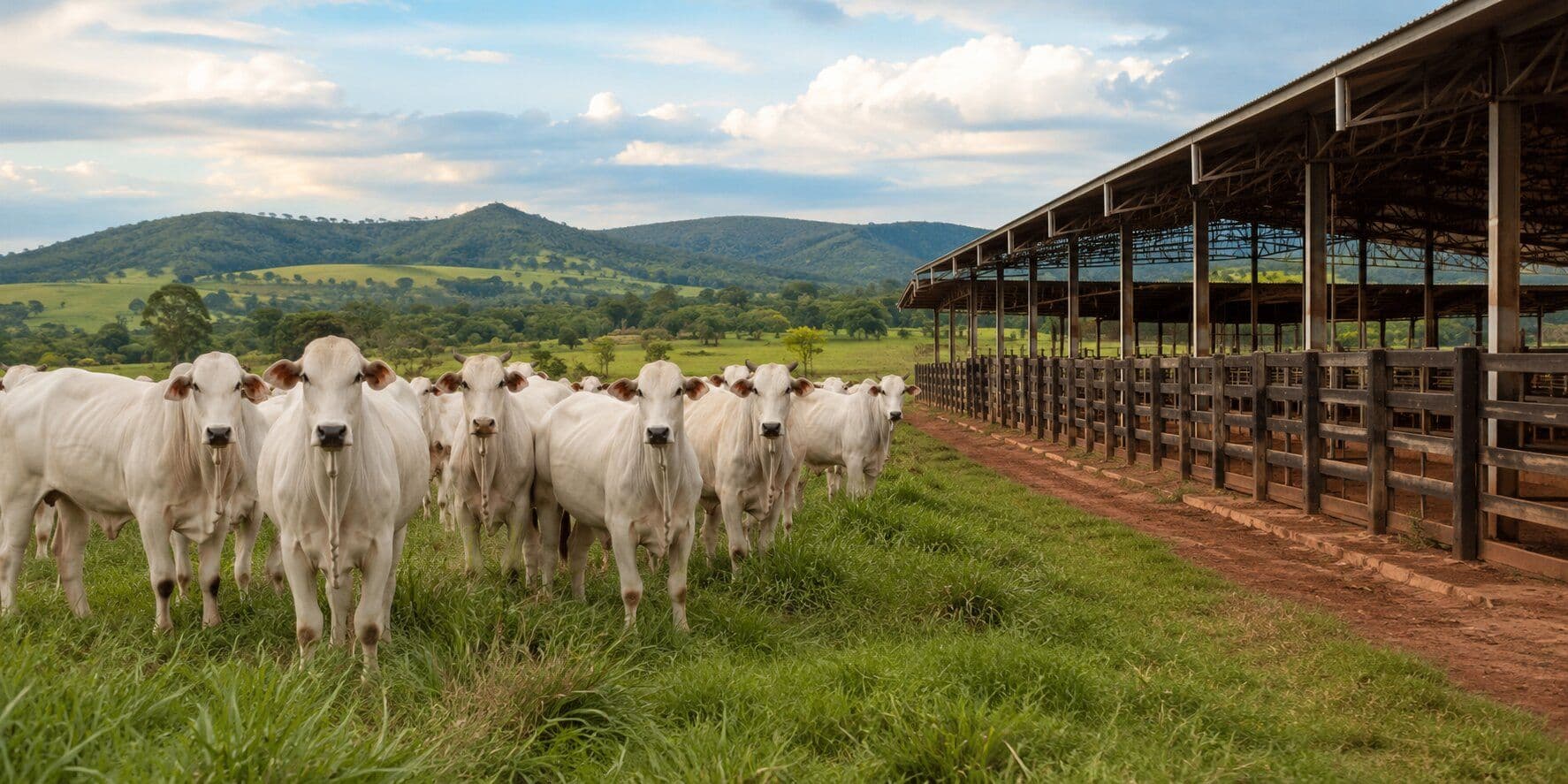
However, for other products such as beef and coffee, the situation is different, as they require large tracts of land to ensure a continuous supply, making them harder to grow or raise under changing conditions. As a result, their prices might stay higher for longer.
The report concludes by warning that extreme weather patterns are becoming a storm on the horizon, with governments and central banks needing to walk a tightrope to control inflation. To ease this pressure, the authors suggest taking precautionary measures, from trimming greenhouse gas emissions and improving climate forecasting to rolling out consumer protection policies.
Ends/
Looking for sustainability and ESG specialists to support your business?
Explore our ESG Marketplace, featuring over 750 providers who offer affordable solutions and services tailored to your business.
Stay updated with our Company News for the latest insights.
Don’t miss our upcoming ESG Events for fresh perspectives.
Source: Bloomberg
Get the ESG Brief in your inbox
One concise email a week — the ratings moves, regulation deadlines, and vetted solutions that matter. Trusted by sustainability and finance teams.
No spam · unsubscribe anytime.