Nestlé Dairy Plan Cuts Emissions While Boosting Farmer Welfare

Takeaways
- Nestlé says it has reduced greenhouse gas emissions in its dairy supply chain by 26% since 2018.
- The company’s Dairy Plan focuses on regenerative agriculture, animal welfare, and improving farmer livelihoods.
- Nestlé believes sustainable dairy farming can strengthen supply chain resilience and secure long-term milk quality.
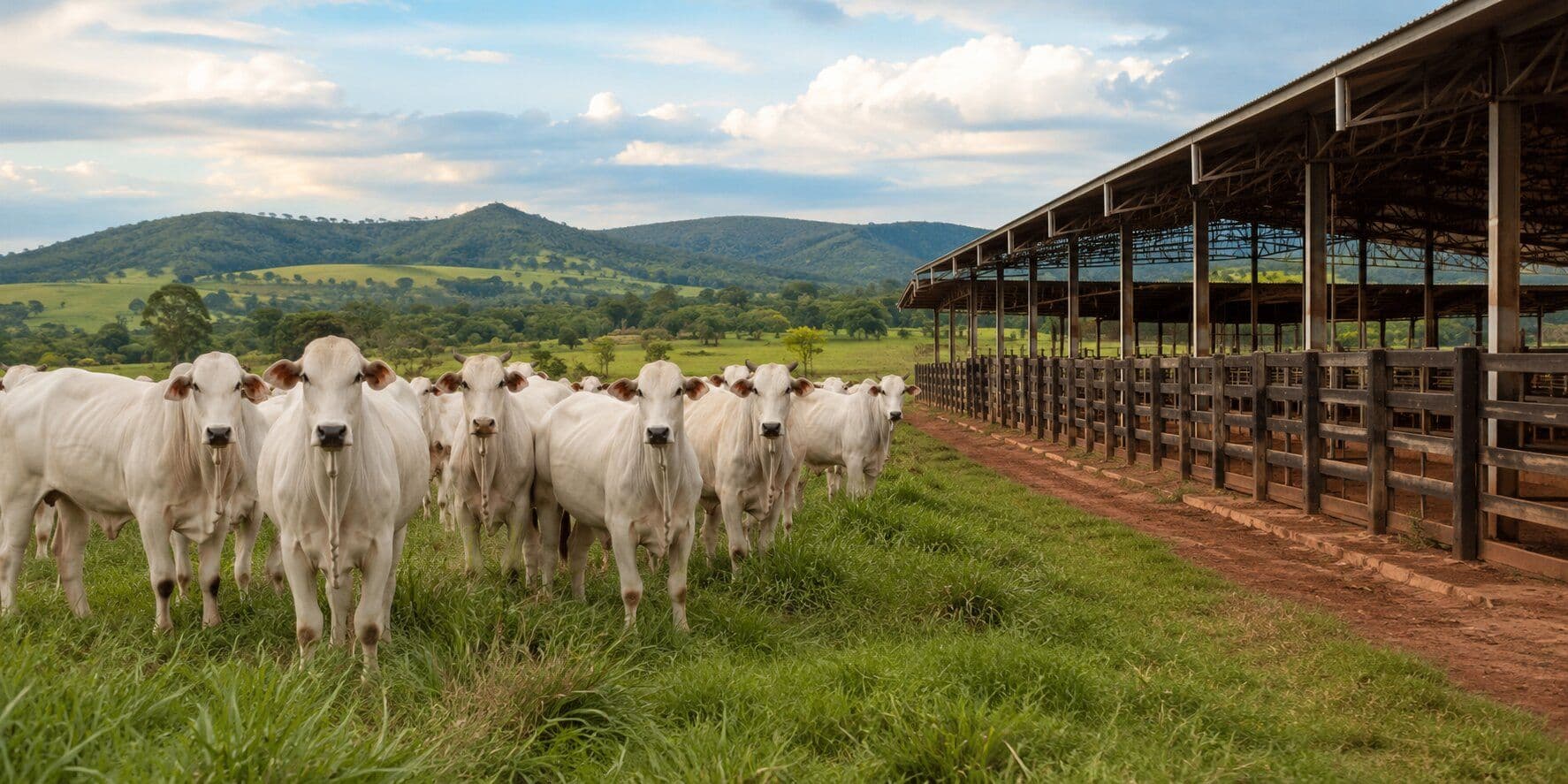
Food and beverage giant Nestlé has unveiled its first-ever Nestlé Dairy Plan, outlining how the company aims to lower emissions while improving conditions for farmers, animals, and ecosystems across its dairy supply chain.
The plan comes as dairy producers face mounting pressure from climate change, rising costs, labour shortages, and unstable milk prices. Nestlé says the strategy is designed not only to support dairy sustainability goals but also to make its supply chain more reliable in the long term.
Founded in 1866, Nestlé operates more than 2,000 brands worldwide and depends heavily on dairy ingredients for many of its products. The company works with around 130,000 dairy farmers and more than 200 suppliers globally.
Read More: Ajinomoto, Danone Partner to Reduce Dairy Farming Emissions
According to the company, the dairy sector represents one of the largest sources of agricultural greenhouse gas emissions in its business operations. Instead of reducing dairy production, Nestlé says the goal is to make dairy farming more efficient, resilient, and less resource-intensive.
The Nestlé Dairy Plan forms part of the company’s wider net zero strategy. It focuses on reducing emissions, expanding regenerative agriculture practices, improving animal welfare, and protecting natural ecosystems.
Nestlé reported that it has already achieved a 26% reduction in net greenhouse gas emissions across its dairy supply chain compared to 2018 levels. The company credits this progress to measures such as precision feeding, lower-carbon animal feed, improved manure management, methane-reducing technologies, and regenerative farming methods.
Several regional projects are helping support these efforts. In India, Nestlé has introduced biodigesters to better manage farm waste and generate cleaner energy. In New Zealand, the company is running a net-zero pilot dairy farm. Meanwhile, a program in the Netherlands aims to reduce the milk production footprint by 50% before 2030.
Company executives say the initiative is built around collaboration with farmers and suppliers. Nestlé sources fresh milk directly from farmers while also purchasing dairy ingredients such as whey, lactose, and milk powders from cooperatives and processors.
The company works with major dairy suppliers, including Fonterra, Lactalis, FrieslandCampina, Sodiaal Euroserum, Agropur, and Land O’Lakes, to improve traceability and develop lower-emission dairy solutions.
Katja Seidenschnur, Head of Sustainability for Nestlé’s Nutrition & Health business, said productivity and sustainability can work together to strengthen the dairy sector.
She noted that the company is helping farmers adopt new technologies and business skills to better cope with climate and economic pressures while maintaining milk quality.
Nestlé also stressed the importance of animal welfare and soil health in producing high-quality dairy products. The company says factors such as feed quality, herd health, and environmental conditions directly influence both productivity and sustainability outcomes.
Also Read: Cutting Costs and Emissions: Food Waste in Hospitality Under the Spotlight
Antonia Wanner, Nestlé’s Chief Sustainability Officer, described the Dairy Plan as an example of “shared value,” where farmers, businesses, and the environment all benefit from sustainable agricultural practices.
As global food companies face increasing scrutiny over agricultural emissions, the Nestlé Dairy Plan highlights how the dairy industry is attempting to balance climate action with food production and rural livelihoods.
Follow more news and views via our Climate & Environment and Featured Articles sections, and stay updated on the top ESG events to attend in 2026 for industry insights and networking.
If you're looking for suitable ESG and Sustainability providers to share customized solutions specific to your business needs, you can check out KnowESG's Solutions page.
If you are an ESG provider looking to get your organization listed on our portal, visit this page.
Source: Sustainability MAGAZINE
Get the ESG Brief in your inbox
One concise email a week — the ratings moves, regulation deadlines, and vetted solutions that matter. Trusted by sustainability and finance teams.
No spam · unsubscribe anytime.